Gutter Cleaning in San Francisco
Gutter cleaning in San Francisco pays off most when it is done before the first heavy storm, while the troughs are still dry and the leaves come out in handfuls instead of sludge. The SFPUC says the city's rain season typically runs from October to April, and its rainwater guidance asks residents to make sure downspouts are clear and gutters clean, both before the season starts and after it ends. Describe the house by phone, text or the form, and The Handyman SF offers the job to local handymen who do gutter work.
What gutter and downspout cleaning covers
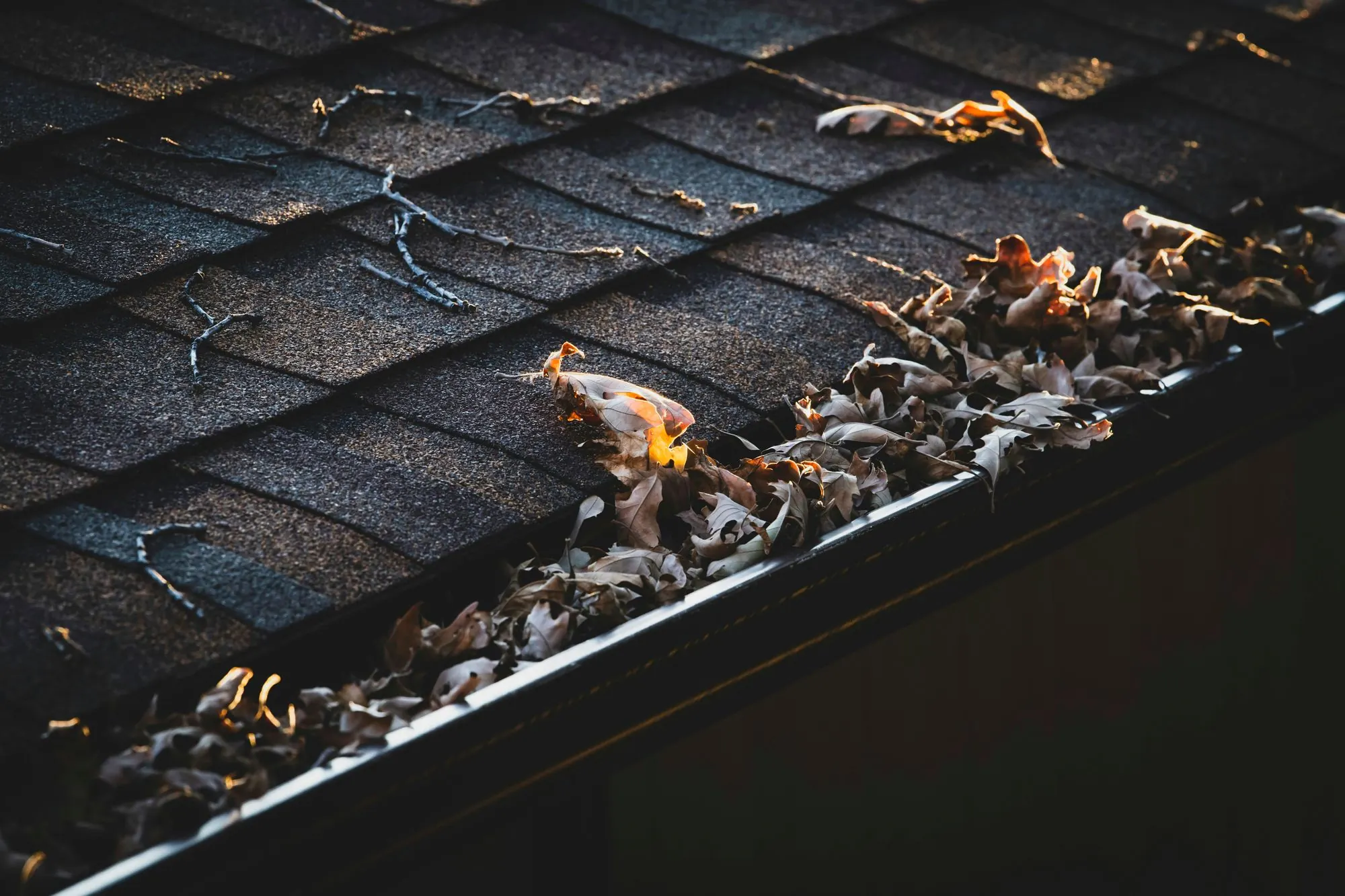
- Troughs cleared by hand: leaves, needles, seed pods and roof grit scooped out and bagged. City water rules say debris must never be washed into the street or a storm drain.
- Downspout cleaning: every spout flushed with a hose to prove it drains, with clogs at the elbows worked loose.
- Outlets: splash blocks and extensions set back in place so roof water lands away from the wall.
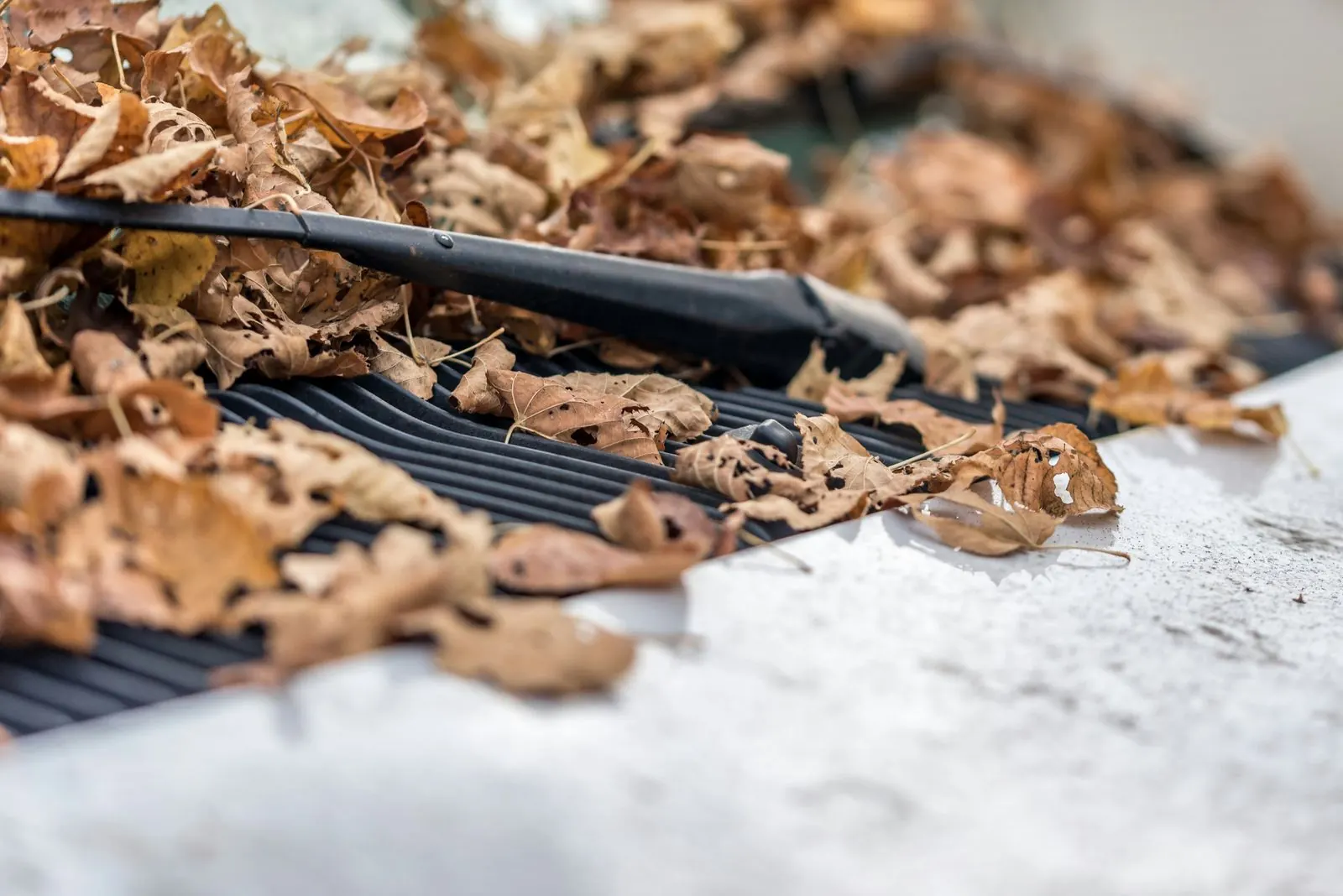
- Gutter guards and screens: cleared on top and checked underneath, because a screen can block too.
- Loose runs: a sagging section re-hung or a pulled hanger refastened, as long as the gutter itself is sound.
- A note of anything else spotted: leaking seams, rusted end caps or soft fascia boards that need a different repair.
Why San Francisco gutters clog differently
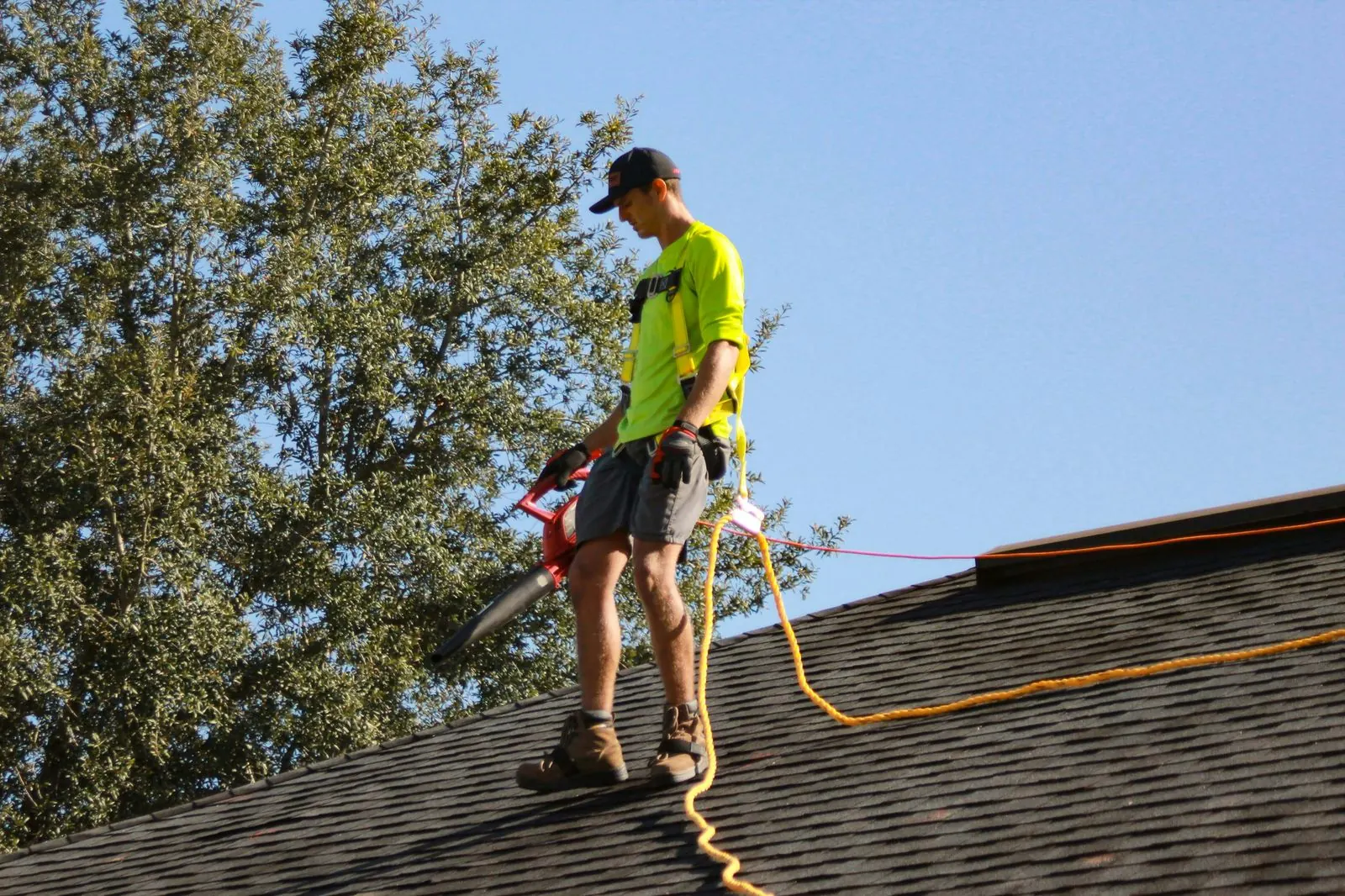
Eucalyptus, pine and cypress grow over many west-side and hillside lots, and their needles and bark strips knit into a dense mat that a quick rinse will not shift. On foggy blocks that mat rarely dries out between storms. Flat roofs behind a parapet, common on Sunset and Richmond row houses, often shed water through a scupper or roof drain instead of a hanging gutter, and those outlets clog the same way. A handyman can clear what is reachable from a ladder; anything that means walking on the roof is better left to a roofer.
San Francisco also has a combined sewer, where stormwater and sewage share the same pipes, and some downspouts connect straight into it. Clearing one is cleaning. Disconnecting a downspout from the sewer needs a permit, according to the SFPUC, so treat that as a plumbing job.
How often to clean gutters
Twice a year suits most homes: once in early fall and once in late spring, after the season's last storm. Lots shaded by tall trees often call for a third pass in midwinter, since needles keep dropping after the first rains. Watch the gutters during a downpour; water sheeting over the front edge means a clog, whatever the calendar says. The rainy season home checklist lists the other storm jobs worth doing on the same weekend.
Ladders, roofs and the handyman limit
OSHA's ladder guidance sets the base away from the wall by one quarter of the ladder's working length and says not to stand on the top three rungs of an extension ladder. On a narrow lot with a sloping sidewalk, that setup is hard to get right, which is why two- and three-story gutters are the ones most people hand off.
Cleaning, flushing and re-hanging a loose section is handyman work. New gutters, roof repairs and anything that needs a building permit belong to a licensed contractor. The Contractors State License Board says unlicensed work is illegal on any project that needs a building permit or is valued at $1,000 or more once labor and materials are added together. Hiring a handyman in California explains where that line falls.
When water still gets in
Clean gutters stop the overflow, but wind still pushes rain against old joints around windows and doors. If damp shows up at a window head or a sill after a storm, fresh caulking and sealing or new weather stripping on the exposed side is the usual next step.
Before the visit
- Note how many stories the house has and where each downspout comes down.
- Move cars, bins and pots away from the walls below the gutters.
- Mention gates, side-yard access, pets and walls shared with neighbors.
- If a gutter has overflowed before, say where, and send a photo from the sidewalk.