Describe the repair and a local independent handyman who works in your area calls or texts you back. The region splits five ways, each with its own houses: San Francisco's Victorians and fog-belt rows, the Peninsula's fault-line hills, the East Bay's fire-scarred hills and old flats, the South Bay's orchard-era tracts, and Marin's canyons.
A few large forces shape houses across the whole region. Two major faults set where the land rises and cracks: the San Andreas up the Peninsula and the Hayward along the base of the East Bay hills. Fog pours in from the Pacific over the western edge, while the valleys behind the hills bake in summer. And old shoreline marsh has been filled for neighborhoods, from the Marina in San Francisco to Foster City, Alameda and the former Hamilton airfield in Novato.
Building eras differ just as much: wooden Victorians and Edwardians from before 1915, redwood brown-shingle houses of the First Bay Tradition, post-war tracts laid over dunes and orchards, Eichler's modern subdivisions from 1949 on, and condominiums on redevelopment land. The pages here go region by region and then place by place, so what you read matches the kind of house you live in. They cover repairs and small projects; anything structural, new-circuit or permit-bound needs a licensed contractor.
What changes from region to region
San Francisco
Dense, old and varied. Wooden Victorians and Edwardian flats survive west of the 1906 Van Ness firebreak, stucco rows cover the foggy western dunes that the Twin Peaks Tunnel opened in 1918, planned residence parks curve over the hills, and condominiums rise on bay fill along the eastern waterfront. Parking, stairs and shared walls shape most jobs, and the city pages go neighborhood by neighborhood.
The Peninsula
The San Andreas Fault runs up its spine through the Crystal Springs rift valley. The coast side, from Pacifica to Half Moon Bay, lives in fog; the hills hold large lots such as Hillsborough's half-acre minimum; the bay plain mixes pre-war town centers with Eichler tracts; and Foster City sits on filled marsh around a man-made lagoon. Damp, slopes and low ground each bring their own repairs.
The East Bay
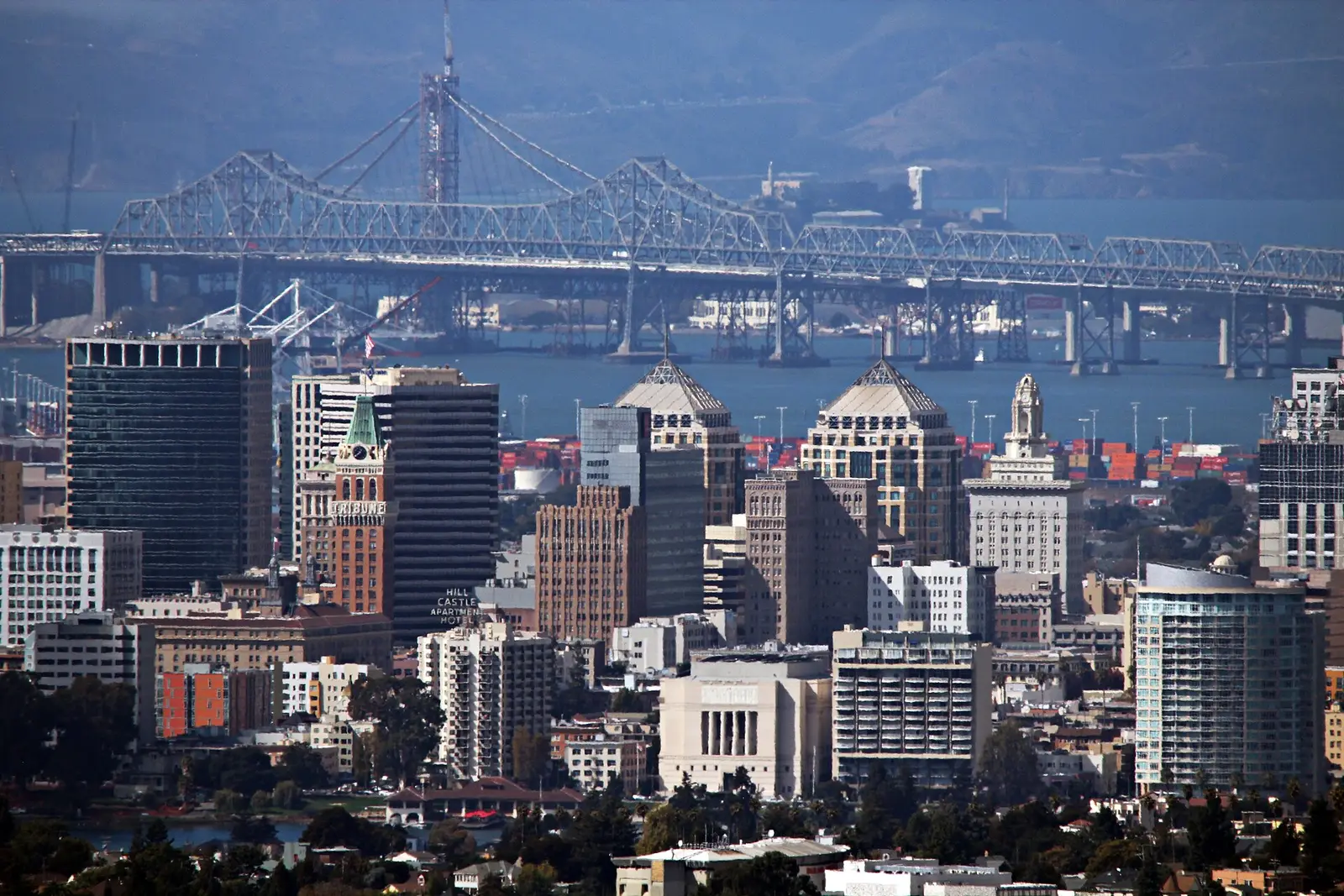
The Hayward Fault creeps along the base of the hills, and those hills burned badly in 1923 and 1991. Below them, the flats of Oakland and Berkeley hold brown-shingle and other older wood houses, parts of Alameda sit on bay fill, and past the Caldecott Tunnel the valleys of central Contra Costa and the Tri-Valley are newer suburbs where summer days can pass 100 degrees.
The South Bay
Until the 1960s the Santa Clara Valley was the world's largest fruit-producing and packing region. Its flat orchard land became post-war tract homes, the very first Eichlers in Sunnyvale in 1949 and 1950, and more recently condominiums and townhomes. Foothill towns toward the Santa Cruz Mountains add sloped, wooded lots, and across the valley it is sun and heat, rather than fog, that wear exteriors down.
The North Bay
Marin's towns fill redwood canyons on Mount Tamalpais, a bay shoreline that includes Sausalito's houseboats, reclaimed marsh at Novato's old Hamilton airfield, and Eichler streets in Lucas Valley. Wildfire readiness shapes much of the routine upkeep, from gutters and vent screens to the first five feet around a house, while shade and damp keep decks, stairs and siding wet through much of the year.
How a request works
Describe the job
A sentence and a photo or two is enough. It takes about a minute.
A local handyman gets in touch
By call or text, to ask what the photos don't show and give you a price.
You decide
Agree a time and price with the handyman directly, or don't. Requesting costs nothing.
Common questions
How does requesting a local handyman work?
Fill in the request form with what needs doing, where the home is and how to reach you, or call (415) 449-8213. A local independent handyman who works in that area then calls or texts you to talk through the job and arrange a visit, and the details are agreed directly between the two of you. The Handyman SF connects homeowners with handymen; it does not employ them.
What details make a request easier to answer?
Say what the job is in plain words, roughly how big it is, and what kind of home it is: a Victorian flat, a condominium with association rules, an Eichler, a hillside house up a flight of stairs. Mention parking, gated access or elevator booking if they apply, and whether you already have the materials, such as the TV mount or the replacement faucet. That lets the person who calls back plan the visit.
Which jobs are handyman work, and which are not?
Repairs and small projects: patching drywall and plaster, painting, adjusting doors and windows, shelves and trim, furniture assembly, TV mounting, faucet and toilet repairs, swapping a light fixture or fan on an existing box, fence and gate repairs, gutters and weatherstripping. New circuits, gas lines, structural work such as foundations, retaining walls or seismic retrofits, and anything that needs a permit belong with a licensed contractor.
Does it matter which part of the region I am in?
Yes. Requests go to handymen who work in that area, so give the city, neighborhood or cross streets. Houses also differ sharply from one part of the region to the next, from fog-damp stucco in western San Francisco to sun-dried fences in the Tri-Valley, and the region and place pages describe what is typical where you live.
Tell us what needs fixing in the Bay Area.
One short request reaches handymen who work locally. You hear back by call or text. Free, with no obligation to hire.