Furniture Assembly in San Francisco
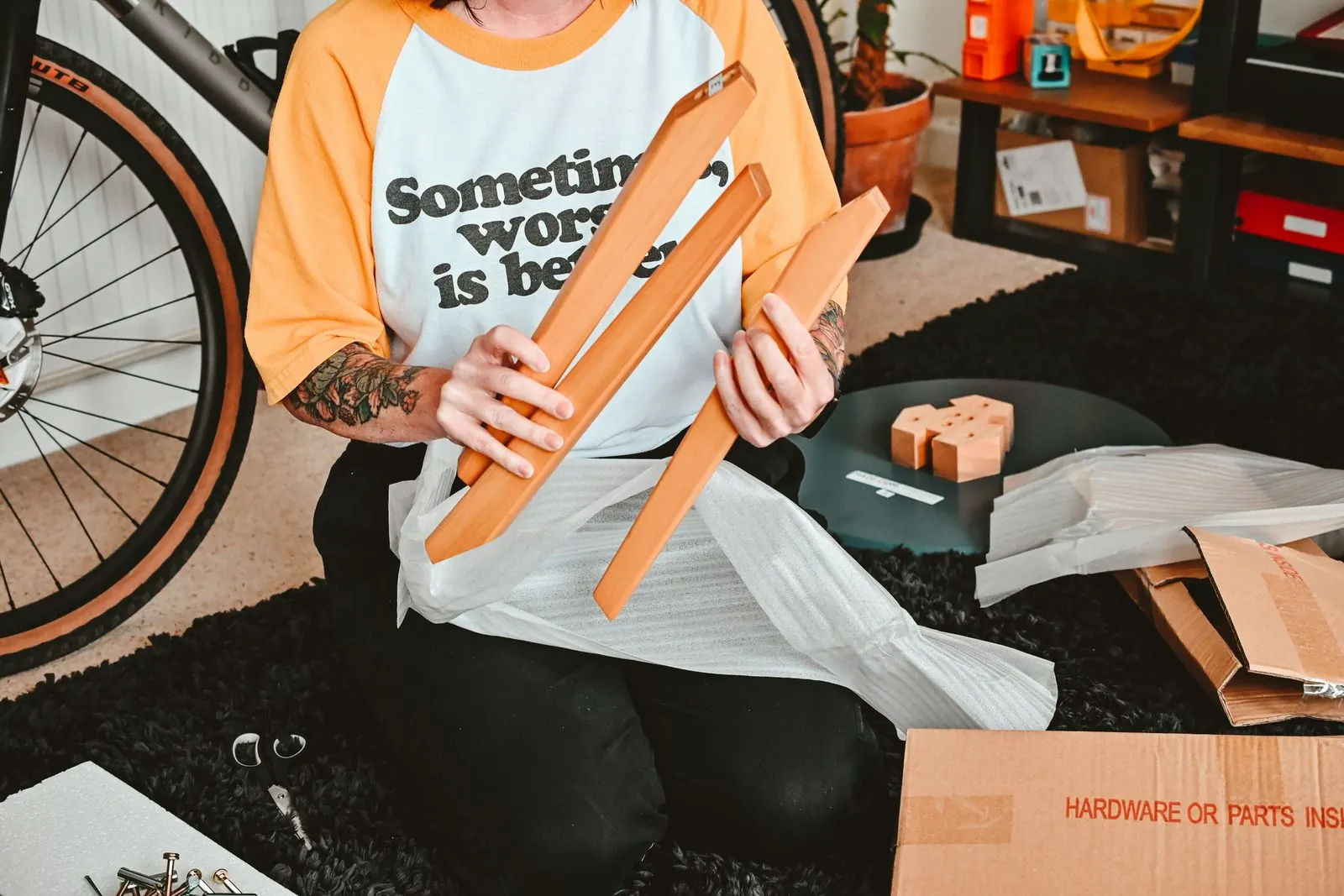
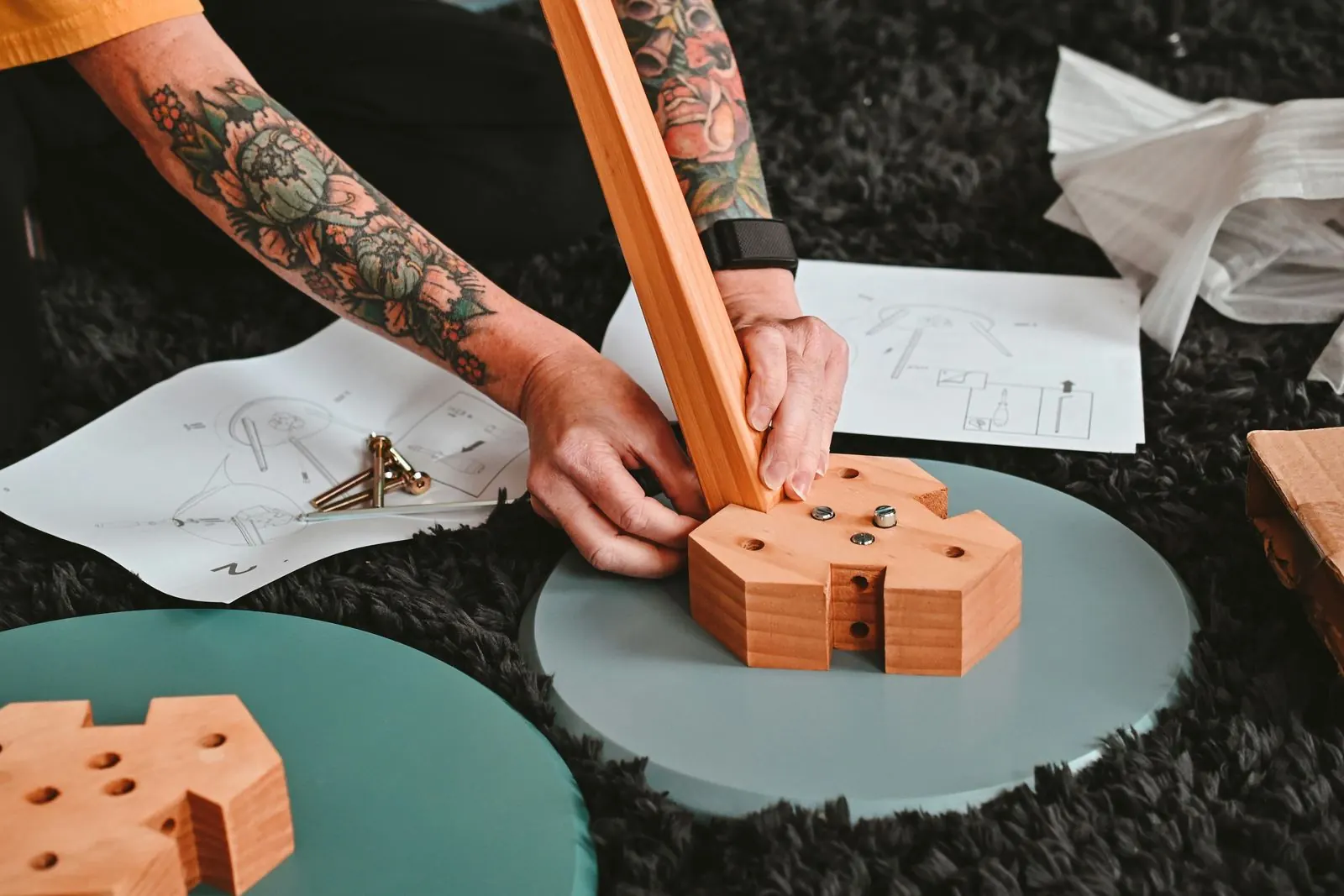
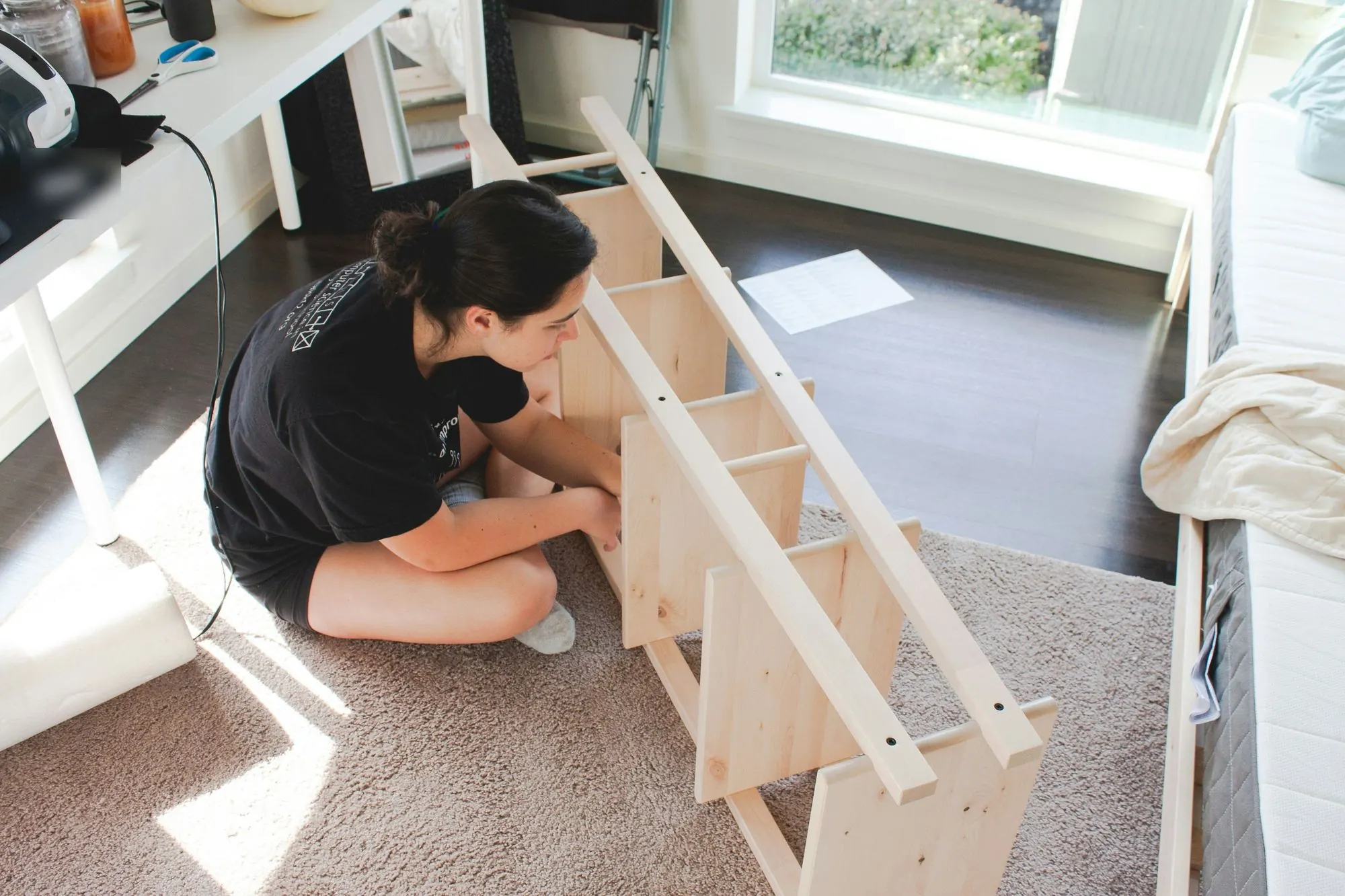
Furniture assembly in San Francisco usually begins at the front door: a stack of boxes in the lobby or on the stoop, and a bedroom two flights up. Send a list of the pieces that need putting together, and The Handyman SF forwards it to local handymen who carry the boxes in, build each piece where it will stand, and secure the ones that can tip.
What furniture assembly covers
- IKEA assembly: wardrobes, dressers, bookcases, desks, beds and storage units.
- Flat-pack assembly for furniture ordered from Wayfair, Amazon, Target and other online stores.
- Bedroom and nursery pieces: dressers, nightstands, armoires, cribs and changing tables.
- Home office: desks, standing-desk frames, office chairs and filing cabinets.
- Living and dining: tables, chairs, bar stools, TV stands and sofas with bolt-on legs.
- Taking furniture apart before a move and rebuilding it in the new place.
Some jobs have their own pages: bed frame assembly, patio furniture assembly and exercise equipment assembly. For anything that goes on the wall, see shelf installation and TV mounting.
Dresser anchoring and tip-overs
A dresser with its drawers pulled out can turn into a ladder for a toddler. Under the STURDY Act, dressers and other clothing storage units made since the federal rule took effect in September 2023 must pass stability tests that include carpet, loaded and open drawers, and the weight of a child up to 60 pounds. Even so, the CPSC recommends anchoring furniture, including dressers, securely to the wall. A piece made before the rule, or bought secondhand, was never tested to it.
San Francisco adds a second reason to anchor: earthquakes. The anchor has to be screwed into framing, not just into plaster, and in an older flat finding a stud behind lath can take a magnet and some patience. The earthquake guide goes through the home room by room. Renters should get the landlord's written okay before any drilling.
Stairs, elevators and parking
Stairs are the hidden part of the job here. A wardrobe that arrives in four boxes will go up a turning Victorian staircase; the same wardrobe built in the hallway may never get past the landing. In buildings with an elevator, check whether management wants it reserved or padded for deliveries and work visits. Parking near the door decides how many trips the boxes take, so mention a garage, a driveway or a loading zone if there is one.
The cardboard afterwards
One wardrobe can fill a blue cart on its own. Recology San Francisco asks residents to flatten extra cardboard or break it down to no more than 2 by 2 by 2 feet and bundle it, and extra charges may apply for material that will not fit in the cart with the lid fully closed. Ask for the boxes to be broken down and stacked for collection day; hauling them away is something to agree on when you book.
Before the visit
- Have the boxes delivered, and moved into the room if you can.
- Clear floor space a little larger than the finished piece.
- Open the boxes and find the hardware bags; a missing part is easier to reorder before the visit than during it.
- List every piece, plus which ones should be anchored, so enough time is planned.
When it becomes carpentry
Built-in closets, cabinets that have to be scribed to an uneven wall, or anything that needs new wiring is a different trade. The Contractors State License Board treats unlicensed work as illegal once a project needs a building permit or reaches $1,000 in labor and materials together, so bigger built-in work goes to a licensed contractor.