Christmas Light Installation in San Francisco
Christmas light installation in San Francisco is mostly about fitting the lights to the front you actually have: a stucco face, a painted Victorian cornice, a bay window, a stair rail and, if you are lucky, one outdoor outlet. Tell us what you want lit, and The Handyman SF sends the request to local handymen who put up plug-in holiday lights and can return after the season to take them down.
Holiday light installation services
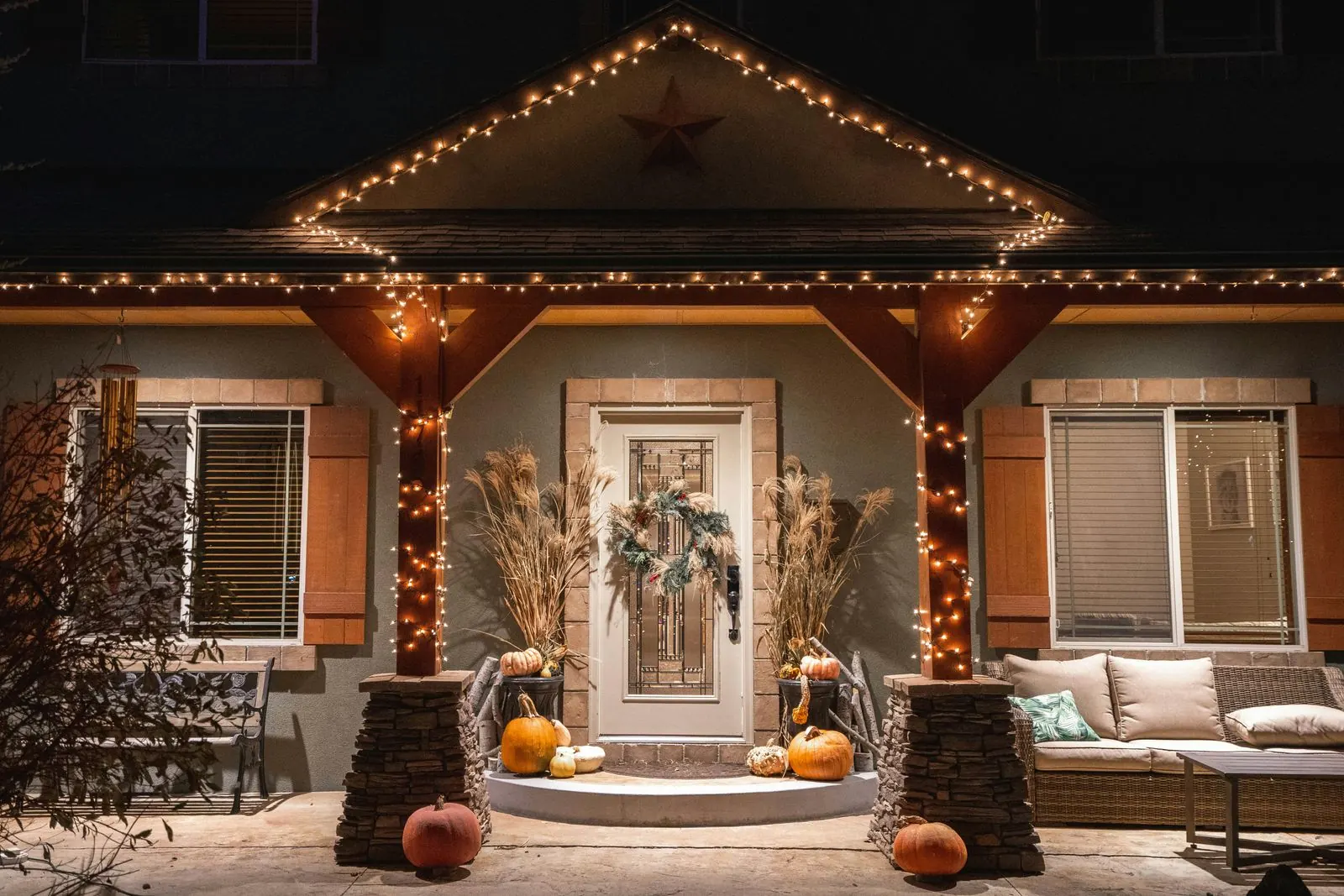
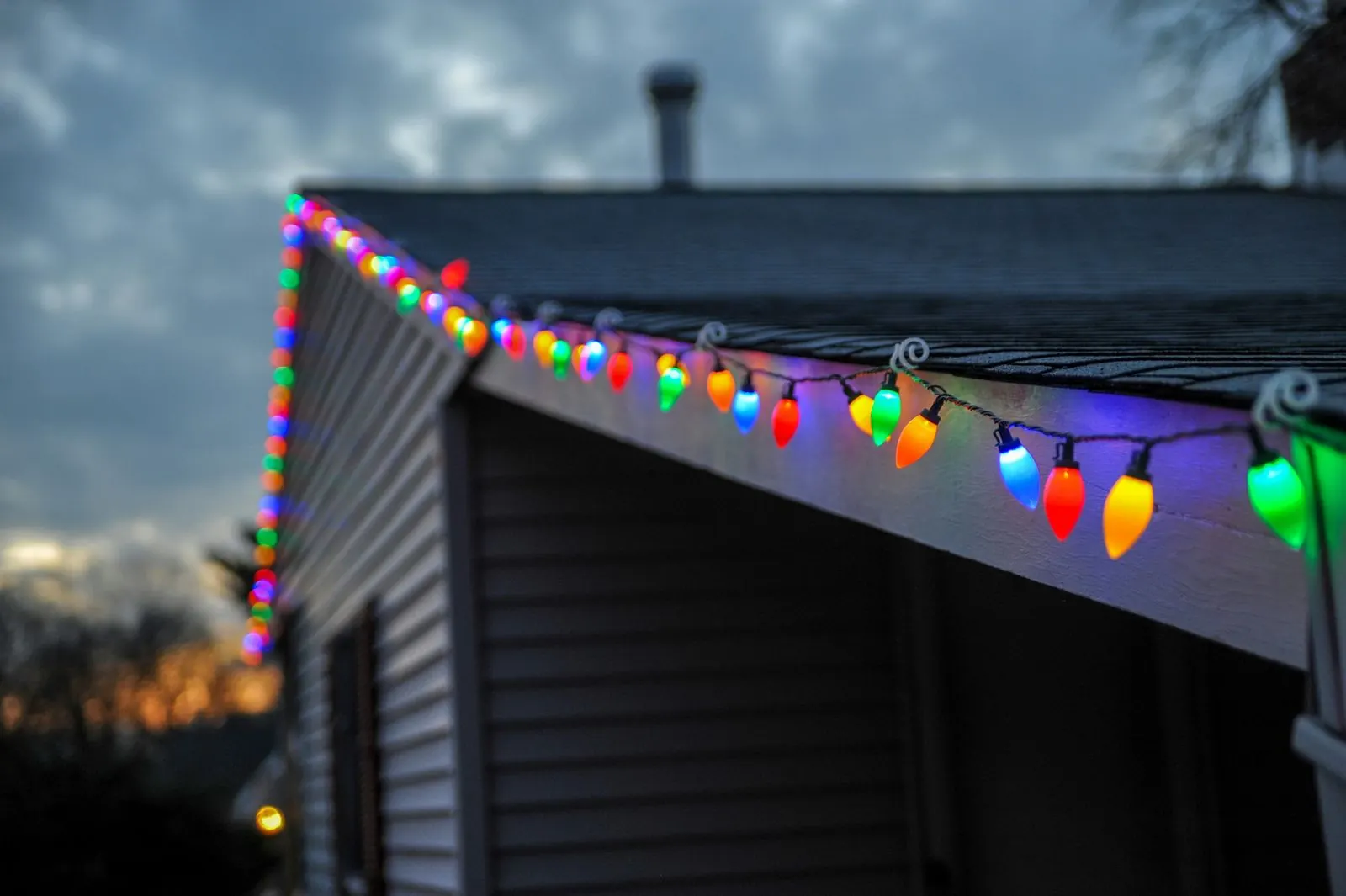
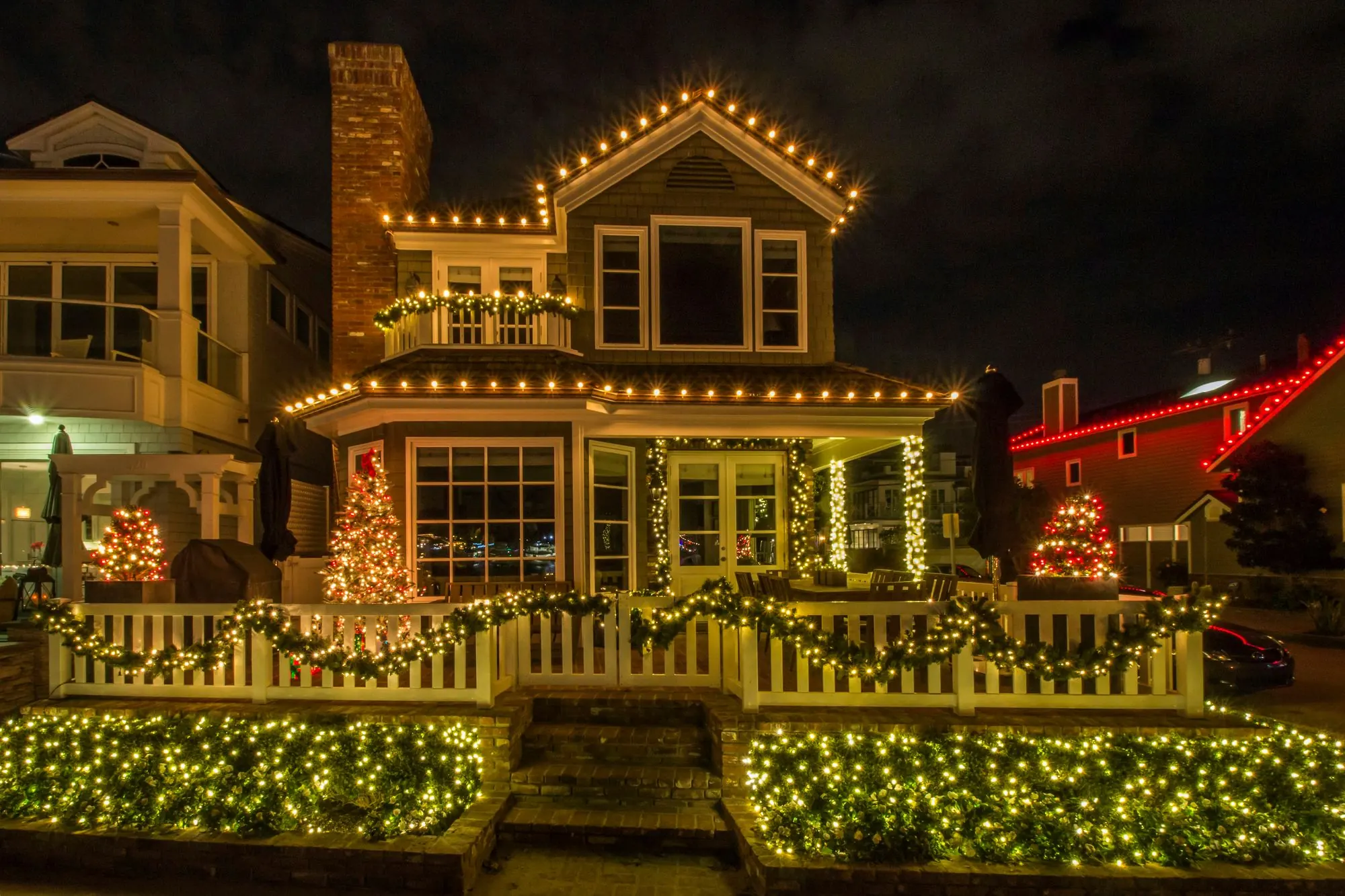
- Rooflines and gutters: clips on the gutter lip or tabs slid under the shingle edge, with no nails through the cord.
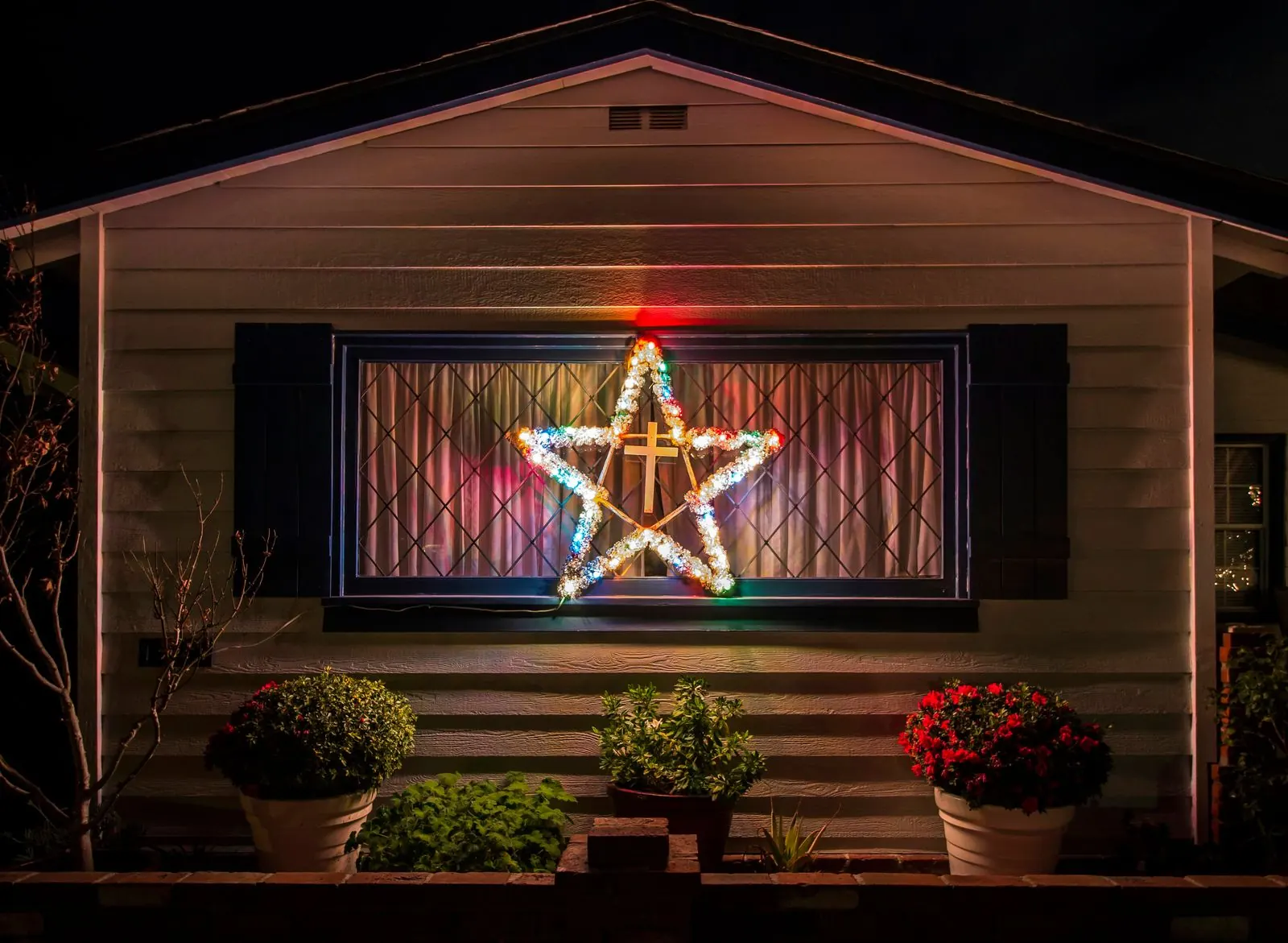
- Bay windows, door frames and trim: outlined with outdoor clips that come off without leaving a mark.
- Stair rails, gates and fences: wrapped and tied, with every plug kept up off the treads.
- Trees, hedges and planters: wrapped or covered with net lights where a cord can reach without crossing a path.
- Timers and outdoor cords: run from an existing outdoor outlet and matched to the load.
- Christmas lights take down: clips released, strings checked, coiled and boxed for next season.
Plug-in lights only: where an electrician comes in
A handyman hangs plug-in lights and powers them from outlets that already exist. Adding an outdoor outlet, a new circuit or hard-wired roofline lighting is work for a licensed electrician, a C-10 contractor in California, and the San Francisco Electrical Code requires a permit from the Department of Building Inspection before an electrical installation is added to or altered. NFPA's safety messages call for ground-fault protection whenever electrical equipment, decorations included, is used outdoors, and say outdoor lights, cords and outlets should be weatherproof or marked for outdoor use. If the outlet out front is missing, dead or not GFCI-protected, get that fixed before the lights go up. A cord fed through a window or under a garage door gets pinched every time it closes.
The safety rules a careful install follows
- String lights listed by a nationally recognized testing laboratory, such as UL, and checked before they go up.
- Any string with a broken cord, worn wire or loose bulb connection replaced, not patched.
- No more than three sets of incandescent lights connected together, as the CPSC advises; LED sets follow the limit in the maker's instructions.
- Clips instead of nails or staples, so the insulation is not damaged.
- A timer, because NFPA advises turning decorations off when you go to bed or leave home.
Why most people hand off the ladder
The CPSC puts the number of people treated in U.S. emergency rooms after holiday decorating accidents at about 14,900 for the 2023 holiday season, and it says nearly half of decorating injuries involve falls. San Francisco adds its own hazards: two- and three-story fronts, steep entry stairs and sidewalks that slope along the house. NFPA also advises keeping ladders at least 10 feet from overhead power lines and using wood or fiberglass ladders outdoors.
Renters, condos and the $1,000 line
If you rent, or the building has an HOA, ask before anything is fastened to the outside walls, and keep the answer in writing. Clips that leave no mark also keep a deposit out of the conversation; the move-out wear and tear guide explains why. For a house you own and light every December, a few small hooks set once in sound trim are a small carpentry job that saves clipping and unclipping. California keeps unlicensed handyman work to jobs below $1,000, labor and materials counted together, so a very large display is work for a licensed contractor; the guide to hiring a handyman in California has the details.
What to send with your request
A photo of the front from across the street, the number of stories, what you want lit, where the nearest outdoor outlet is, and whether the lights are yours or still to be bought. For surface-by-surface advice on clips and hooks, read how to hang Christmas lights without damaging the house.