Hot job leads · San Jose

San Jose for pros: SJPermits, historic roofs and 1970s houses

San Jose wants a Business Tax Certificate from anyone who works in the city, due within 90 days of the first job, and its online permit system at SJPermits.org serves only contractors who hold one. Half of the city's 343,058 homes are detached houses, and the 1970s built more of the stock than any other decade, so most calls land in houses about fifty years old rather than pre-war ones.

  • Every new Bay Area job by text, 8 a.m. to 8 p.m.
  • See the job and the price before you pay
  • No subscription, no bidding, STOP anytime
(415) 449-8213Example

New job: Painting in Hensley, San Jose. See the job and the price before you pay: thehandymansflive.com/l/…

New job: Fence repair near Santa Clara. Open the link to see it.

What a lead text looks like. Trade and area are examples.

Join the hot list

Get job leads in San Jose from today

Three short steps. Your mobile is checked with a texted code, and you are on the hot list the moment you finish.

On the hot list, every new Bay Area job comes to your phone by text, whatever the trade or city, from 8 a.m. to 8 p.m. Jobs in the work and cities you pick here reach you first. A job you have not opened may come once more as a reminder.

  1. 1Pick the work you take
  2. 2Pick the cities you work in
  3. 3Confirm your mobile

Step 1 of 3

Business tax
Certificate due within 90 days of starting work in the city
Source: sanjoseca.gov: business tax registration (opens in a new tab)
Online permits
56 simple project types at SJPermits.org
Source: sanjoseca.gov: building online permits (opens in a new tab)
Median home built
1975 (ACS 2019-2023)
Source: data.census.gov: ACSDT5Y2023 (opens in a new tab)
Owner-occupied
55.9% of occupied homes
Source: data.census.gov: ACSDP5Y2023 (opens in a new tab)

Working legally here

San Jose's Business Tax Certificate, counted by heads

San Jose calls its business license a Business Tax Certificate. The Finance Department issues it once you register and pay, and every person or company doing business in the city must register, part-time operators included, within 90 days of starting. The tax follows head count, and the city's definition takes in the owner, family members, partners and anyone paid a wage or commission, so a one-person outfit pays the base tax, which covers one or two people. Registration is online and asks for your contractor's license number and type. The base tax is adjusted each July for local inflation, capped at 1.5 percent a year. Operators whose gross receipts sit at or below twice the federal poverty level can apply for the city's financial hardship exemption. The certificate is a tax receipt, not a permit.

City of San José Finance Department (opens in a new tab)

Permits

SJPermits, historic roofs and the tree ordinance

  • SJPermits.org and the scope-creep rule

    SJPermits.org issues building permits for 56 types of simple projects, most of them without plans. Only owners and contractors may apply, and a contractor needs a valid San Jose tax certificate and may pull only the permits his state license classification covers. The online menu includes replacement light fixtures, receptacles and switches, plumbing fixtures and water heaters, so look there before quoting a swap. If an inspector finds work beyond the permit you pulled, you will be told to pull the extra permits.

    City of San José Development Services (opens in a new tab)
  • Reroofs on listed houses

    A building permit is required once 25 percent or more of a roof is redone in any 12-month period; less counts as a repair. Most reroof permits come straight from SJPermits, but a house on the Historic Resources Inventory needs a Planning clearance first, and a City Landmark or a house in a landmark district needs a Historic Preservation Permit. Planning wants roofing close in scale, color and texture to the historic material and rules out black and dark gray. Minor exterior work on a landmark, such as door, window and trim changes, goes through an HP Permit Adjustment with no public hearing.

    City of San José Planning, Building & Code Enforcement (opens in a new tab)
  • Ordinance-size trees and street trees

    On a single-family or duplex lot, removing a tree whose trunk measures 38 inches or more around at 4.5 feet above ground takes a Tree Removal Permit even when the tree is dead, and the trunks of a multi-trunk tree are added together. On multifamily, commercial and mixed-use property, or in a common area, a tree of any size needs one. Street trees, the ones between curb and sidewalk, need a no-cost Department of Transportation permit just to prune, and the more than 100 listed heritage trees need the City Arborist first.

    City of San José Planning Division (opens in a new tab)

The homes

343,058 homes, most of them from the 1960s and 1970s

The Census Bureau's ACS 2019-2023 estimates put 343,058 housing units in San Jose, and the median one was built in 1975. The 1970s produced 23.6 percent of today's stock and the 1960s another 18.5 percent, while just 5.2 percent was built before 1940. Owners live in 55.9 percent of occupied homes. Detached houses make up 51.3 percent of units, attached townhouse-style homes 11.2 percent, buildings of 20 or more units 18.6 percent and mobile homes 3.4 percent. For a pro, that is a city of houses around fifty years old whose original windows, doors and fixtures are wearing out, plus a large attached and condo share where an association decides what may change outside.

U.S. Census Bureau (opens in a new tab)
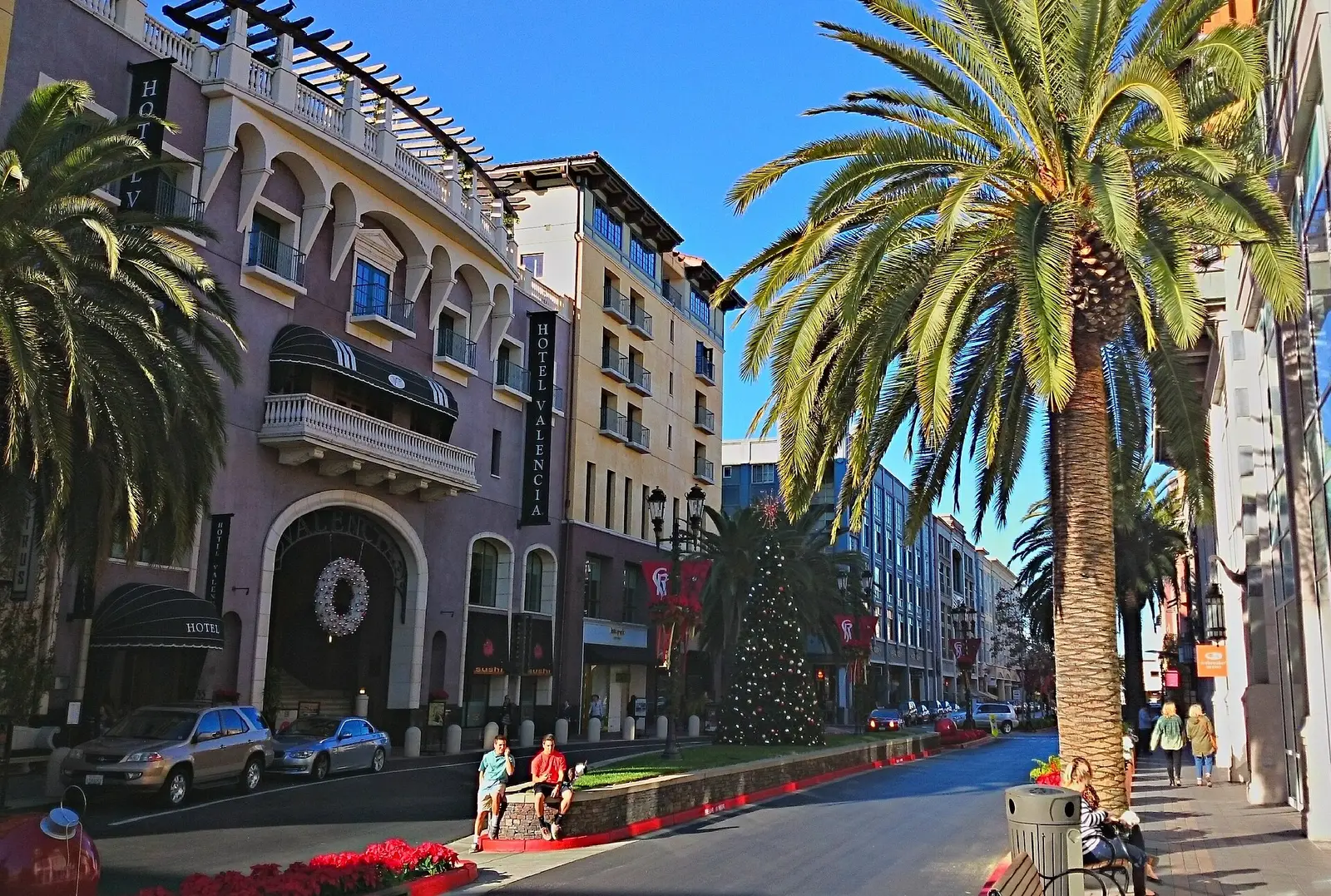
Hotel Valencia at Santana Row in San Jose
Hotel Valencia at Santana Row in San Jose. Photo: Payton Chung, CC BY 2.0, via Wikimedia Commons.

Part by part

Four San Jose districts and what their houses need

  • Hensley

    The Hensley district, roughly between Second and Sixth Streets north of Julian Street, has the city's largest concentration of Victorian-era houses, built mostly between 1880 and 1900: larger homes on North Third Street and modest workers' houses on North Fifth. As a City Landmark District, exterior work there, from wood windows to porch rails and trim, starts with a Planning check.

  • Hanchett and Hester Park

    Laid out by John McLaren, who designed Golden Gate Park, Hanchett and Hester Park run from The Alameda to Park Avenue, with houses from about 1906 to 1935 in Craftsman, Prairie and Spanish Revival styles. It is a city conservation area, and the 80 Mexican fan palms along Martin Avenue are listed heritage trees, which matters for any fence post or trench dug near them.

  • Reed district

    South of San Jose State, the Reed City Landmark District mixes houses from about 1870 to 1935 with early modern apartment buildings put up after World War II as the college grew. The oldest stock is concentrated along South Sixth Street near the old Reed School site, so a day there can run from century-old wood houses to post-war apartment units.

  • Alviso

    Alviso, one of the earliest ports on the West Coast, was incorporated in 1852 and annexed to San Jose only in 1968. Its core is the Port of Alviso National Register district, bounded by Alviso Slough and the Guadalupe River, and one of its contributors, the former Old Union Warehouse, belonged to the Bay Side Canning Company, so work on listed buildings there starts with the historic rules.

Getting around

Freeways, permit-parking zones and work hours

The city's General Plan names US 101, Interstates 280, 680 and 880 and State Routes 17, 85, 87 and 237 as its freeways, while the expressways between them are run by the county's Roads and Airports Department. Residential Permit Parking zones, among them S.U.N., Horace Mann and Berryessa, are enforced by license-plate scan now that permits are virtual, so ask the customer for a guest permit before leaving a van there. On work that needs a development permit or other planning approval, Municipal Code 20.100.450 bars construction within 500 feet of a home before 7 a.m., after 7 p.m. and on weekends unless the approval allows it.

How hot leads work

From the first text to the homeowner's door

  1. Confirm your mobile

    A texted code proves the number is yours. No app, no password, no card.

  2. A text for each new job

    It names the trade and the area, with a link to the job. Texts go out from 8 a.m. to 8 p.m.

  3. See it before you pay

    The link shows the job and the price. Skip any job you do not want.

  4. Pay, then call the homeowner

    After you pay you get the homeowner's name, number and address. Price and timing are between you.

Questions

Working in San Jose: what pros ask

I live in another city. Do I still need a San Jose Business Tax Certificate?

Yes. The Finance Department says every person or company conducting business in San Jose must register, and payment is due within 90 days of starting work here. Register online with your tax ID, the principal owner's driver's license number and your contractor's license details, then pay once the amount appears on the payment page a few days later. A first-time bill paid in full within 90 days of its due date carries no penalties or interest.

Can I pull a water heater permit for a San Jose house online?

Usually. A water heater replacement is an SJPermits.org permit for single-family, multifamily and commercial property alike, and a new heat pump or new tankless gas unit can be pulled online for a single-family home or duplex. You must be the owner, or a contractor whose state license classification covers the work and who holds a valid San Jose tax certificate.

How do I find out whether a San Jose roof job needs Planning first?

Look the address up against the Historic Resources Inventory and the city's GIS map of historic districts and conservation areas. A listed house needs a Planning clearance before the reroof permit is issued, and a City Landmark needs a Historic Preservation Permit. If the job covers less than 25 percent of the roof in a 12-month period, it counts as a repair and needs no building permit at all.

The tree in the backyard is dead. Can it come down without a permit?

Measure it first. On a single-family or duplex lot, a tree 38 inches or more around at 4.5 feet up, with multiple trunks added together, needs a Tree Removal Permit even if it is dead or unhealthy. A smaller tree on a house lot needs no permit unless it is a street tree or a listed heritage tree. Planning staff take questions before any removal.

How do I know a hot-list text is a San Jose job before I pay?

The text itself states the trade and the area, so you know it is a San Jose address before you tap anything. Opening the link shows the work and what the lead costs; you buy only the ones you want, with no monthly plan, no bidding and no commission. That is how handyman leads in San Jose reach you, and a STOP reply ends them.

The next job in San Jose could be yours.

Get hot leads from today

HandymanNow app

Fix it faster. Find work faster.

Homeowners send a job with photos and follow their handyman on the map. Handymen get local jobs by text and take only the ones they want.

Get hot leads