The Handyman SF

Find a local pro for the bigger jobs on a Bay Area house

Twenty construction and repair trades, each on its own page: the jobs Bay Area houses need, the CSLB license class that covers the work, the permits and local rules that apply, and what to ask before hiring. Send one request and local handymen or contractors who take that work call or text to quote.

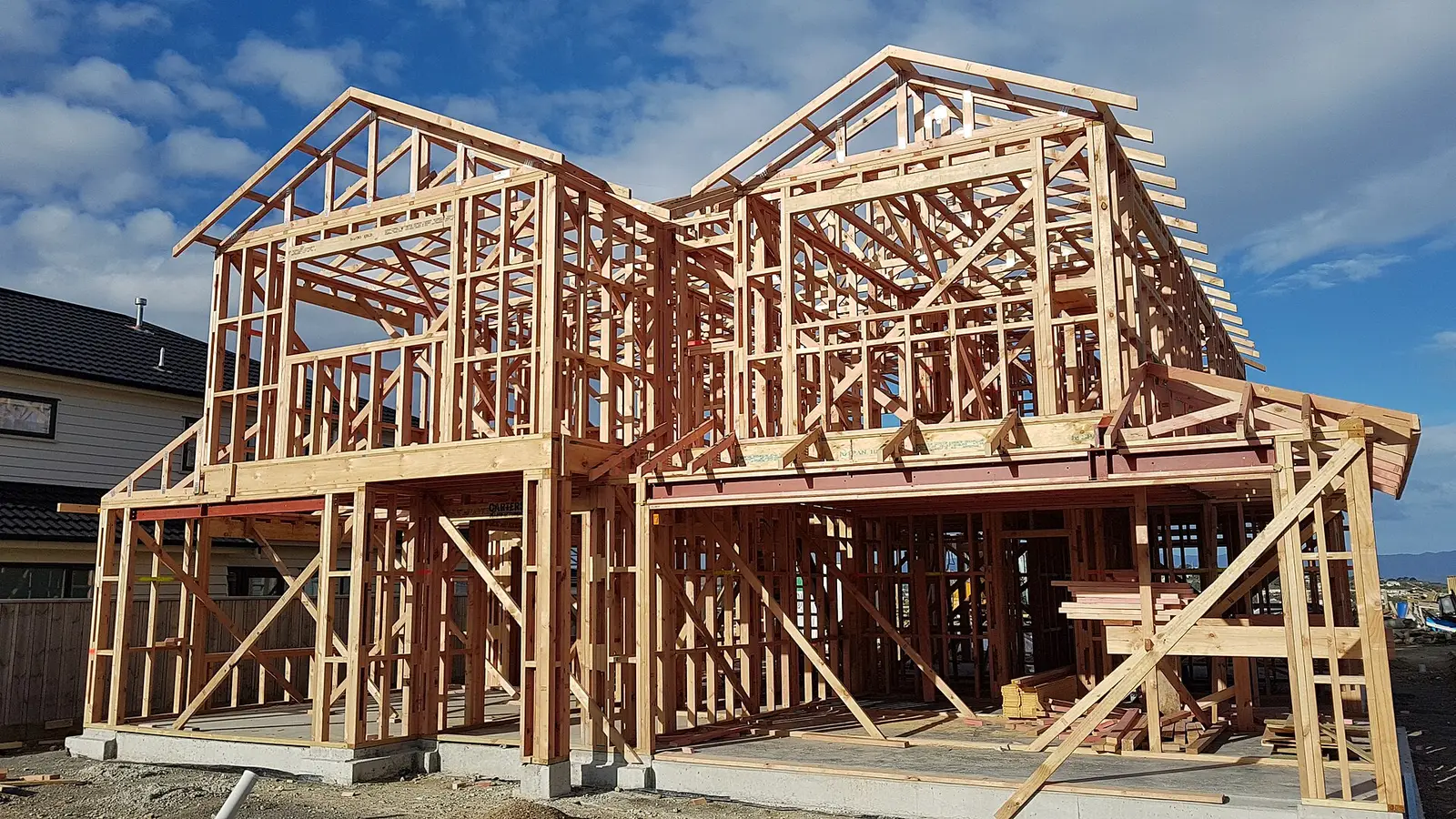
A timber-framed house under construction, with its wall and roof framing in place
A timber-framed house under construction, with its wall and roof framing in place. Photo: L Maule, CC BY-SA 4.0, via Wikimedia Commons.

Pick a trade

Roofing

C-39 Roofing · B General Building

Most roofing work on Bay Area houses is a full re-roof, and the address decides the rules.

Plumbing

C-36 Plumbing · C-42 Sanitation System

The large plumbing jobs on a Bay Area house are the ones buried in walls and yards: galvanized supply pipe, the sewer lateral out to the street, and gas piping from the meter.

Water heaters

C-36 Plumbing · C-20 Warm-Air Heating, Ventilating and Air-Conditioning · C-10 Electrical

Replacing a water heater in the Bay Area means working to air rules as well as plumbing code.

Tile

C-54 Ceramic and Mosaic Tile

Most tile failures on Bay Area houses start underneath: a wood floor too springy for stone, a shower lining nobody tested, or a slab moving on clay or settling fill.

Concrete

C-8 Concrete

The concrete in front of a Bay Area house is usually the owner's problem.

Brick, stone and chimneys

C-29 Masonry

The brick chimney is the piece of masonry most likely to fail in a Bay Area earthquake.

Foundation and seismic retrofit

B General Building · C-8 Concrete

On an older Bay Area house with a wood floor raised over a crawlspace, a seismic retrofit usually means bolting the sill to the concrete foundation and bracing the short cripple walls, the scope set out in Chapter A3 of the California Existing Building Code.

Decks, stairs and balconies

C-5 Framing and Rough Carpentry · B General Building

Six people died in 2015 when a balcony at 2020 Kittredge Street in Berkeley collapsed on joists weakened by dry rot.

Retaining walls and hardscape

C-27 Landscaping · C-8 Concrete · C-29 Masonry

The number that decides most retaining wall jobs is 4 feet, measured from the bottom of the footing to the top of the wall.

Stucco and siding

C-35 Lathing and Plastering · D-41 Siding and Decking · B General Building

Most stucco and siding jobs in the Bay Area replace or patch what a house already wears, and permits start small: San Bruno and San Jose exempt only repairs under 10 square feet of wall.

Window replacement

C-17 Glazing · B General Building

In San Francisco every building needs a permit to replace windows, historic or not, and any window visible from the street also gets Planning review, which can require wood sash instead of vinyl or aluminum.

Electrical

C-10 Electrical

Electrical contracting on older Bay Area houses is mostly replacing what earlier decades left behind: knob-and-tube circuits, panel brands that Palo Alto's utility flags as possible fire or shock hazards, and services never sized for heat pumps.

EV chargers and panel upgrades

C-10 Electrical

A Level 2 charger in a Bay Area garage is an electrical job first and a permit second.

Heating, cooling and heat pumps

C-20 Warm-Air Heating, Ventilating and Air-Conditioning · C-4 Boiler, Hot Water Heating and Steam Fitting · C-10 Electrical

Most heating and cooling work on a Bay Area house begins when an old furnace or air conditioner fails.

Insulation

C-2 Insulation and Acoustical · B General Building

On Bay Area houses, the state Energy Code ties insulation requirements to other work: a replacement duct system in a vented attic, or a low-slope re-roof.

Waterproofing and drainage

C-42 Sanitation System · C-12 Earthwork and Paving · C-8 Concrete

Water trouble on a Bay Area house shows up in winter and comes from three directions: a saturated hillside above the house, runoff and sewer backflow from the street below, and damp crawlspaces under raised floors.

Cabinets and countertops

C-6 Cabinet, Millwork and Finish Carpentry · C-54 Ceramic and Mosaic Tile · C-61/D-12 Synthetic Products

Cabinets and countertops look like finish work, and some Bay Area cities do list them as needing no building permit.

ADUs and garage conversions

B General Building

ADU work in the Bay Area takes two main shapes: a new detached unit in the back yard, or an existing garage turned into a home.

Home remodeling

B General Building · B-2 Residential Remodeling

A whole-house remodel in the Bay Area is shaped as much by review as by construction.

Garage doors

D-28 Doors, Gates and Activating Devices · B General Building

Replacing a garage door or opener in the Bay Area runs into a state law written after the 2017 Wine Country fires: since July 1, 2019, a residential automatic opener sold or installed in California must have a battery backup, and a new door may not be hooked to an old opener without one.

How these pages work

The Handyman SF does not do the work itself. A request from one of these pages goes to up to three local handymen or contractors who take that kind of job, and you agree the scope and the price with the one you choose.

In California, a job over $1,000 in labor and materials, or one that needs a building permit, has to be done by a contractor licensed by the Contractors State License Board in the class that covers it. Each trade page names that class. Before you hire, look the license number up on the CSLB website: it shows whether the license is current, which classifications it holds, and any disclosed complaints or legal actions.

Check a contractor's license on the CSLB website

How a request works

  1. Describe the job

    A few sentences and a photo of the problem or the space. It takes about a minute.

  2. Local pros get in touch

    Up to three handymen or contractors who take this kind of work may call or text to ask questions and quote.

  3. Check, compare, decide

    Look up the license, compare what you hear, and agree the scope and price with the one you pick. Requesting costs nothing.

Common questions

Does The Handyman SF do the construction work?

No. The Handyman SF connects homeowners with local independent handymen and contractors. Your request is shared with up to three of them, they contact you to discuss the job and quote, and any agreement on scope, price and schedule is between you and the person you hire.

How do I check a contractor's license in California?

Use the Contractors State License Board's online license check at cslb.ca.gov. Search by license number, business name or personal name. The record shows whether the license is active, which classifications it holds, and any disclosed complaints or legal actions. Ask the contractor for the number before you sign anything.

When does a job need a licensed contractor?

Under California law, a job that costs more than $1,000 in combined labor and materials, or any job that requires a building permit, must be done by a contractor licensed by the CSLB. Smaller jobs that need no permit can be done by an unlicensed handyman. Each trade page explains where that line usually falls for its kind of work.

Does it cost anything to send a request?

No. Sending a request is free and does not commit you to anything. Local pros contact you by call or text, and you decide whether to go ahead with any of them.
Smaller jobs by area

Tell us about the job.

One short request reaches local handymen and contractors who take that kind of work. You hear back by call or text.

HandymanNow for handymen Work in the Bay Area? Get job leads by text. Pick your trades and areas, take only the jobs you want. No subscription. Start getting leads HandymanNow for homeowners Get the HandymanNow app. Send a request with photos, message your handyman and follow them on the way. Create a free account

HandymanNow app

Fix it faster. Find work faster.

Homeowners send a job with photos and follow their handyman on the map. Handymen get local jobs by text and take only the ones they want.

Call Get a quote