Our gardener blows out the gutters with a gas blower. Is that still allowed in Atherton?
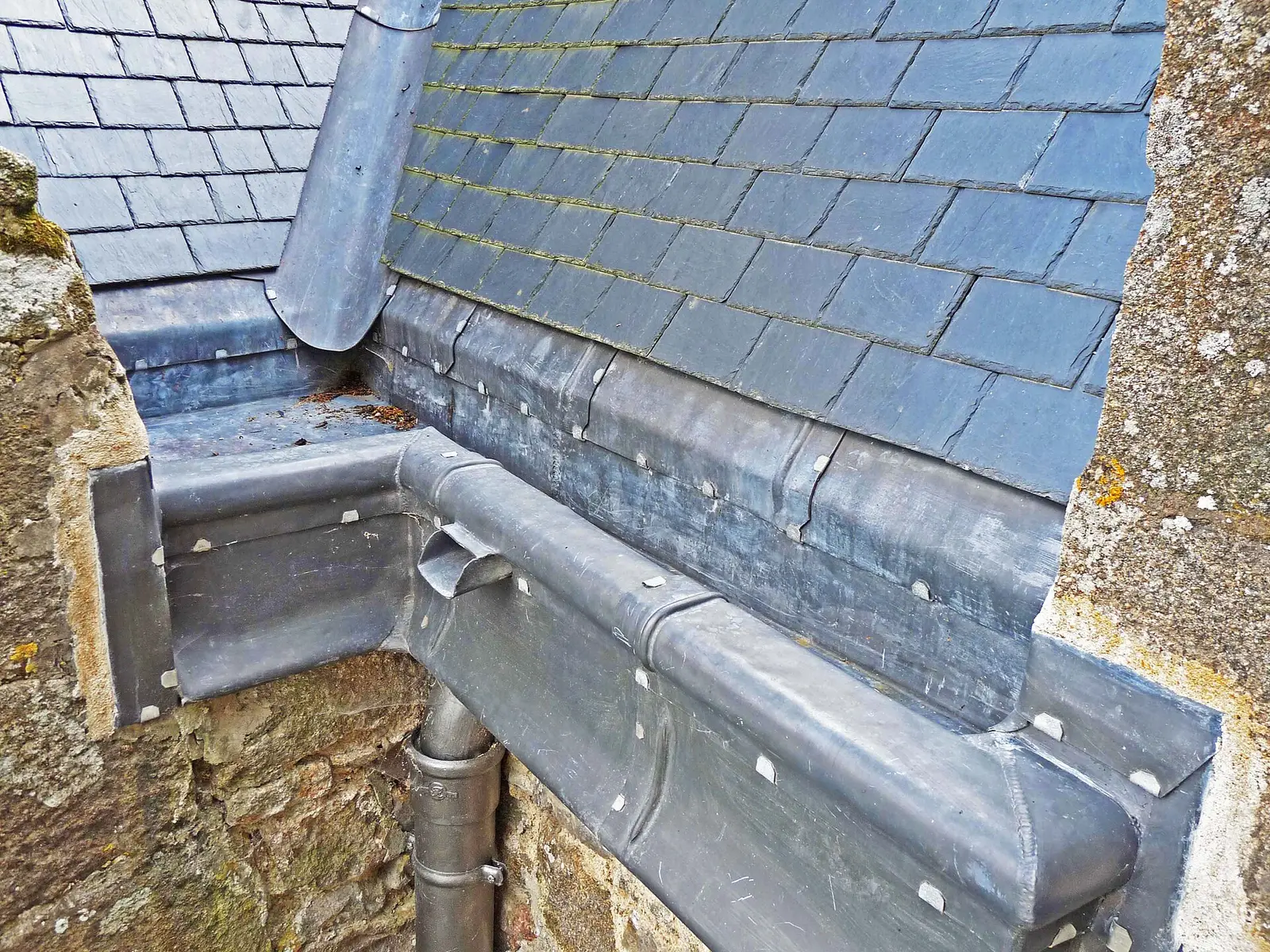
No. The Town amended Chapter 8.16 of its Municipal Code to ban gas leaf blowers from July 1, 2024, and it ties the change to the state's phase-out of new gas-powered small engines. Electric and battery blowers, or a scoop and bucket, do the same work on gutters and roof valleys, and the state's CORE program helps landscapers buy electric equipment.
The oak over our roof grows on the neighbor's side. Does Atherton's heritage tree chapter still apply?
It can. The chapter's definition of disturbance or damage includes a heritage tree within 15 feet of the property line, so cutting back a neighbor's large valley, coast live or blue oak from your side is not a private decision. Clearing leaves out of your own gutter does not touch the tree. For the limbs, talk with the neighbor and a tree care company, and with the Town Arborist before any heavy cut.
We pay GreenWaste for backyard service. Will they take the green carts from beside the house?
No. GreenWaste's Atherton guide says backyard service picks up only the blue and gray carts; green yard trimmings carts must still be taken to the curb. Each home can have up to two 96-gallon green carts at no extra charge, out by 6:30 a.m. Extra yard trimmings can go beside them in paper bags under 30 pounds, and the first 32 gallons of extra material each year are collected free.
Where can we pick up compost made from Atherton's green carts?
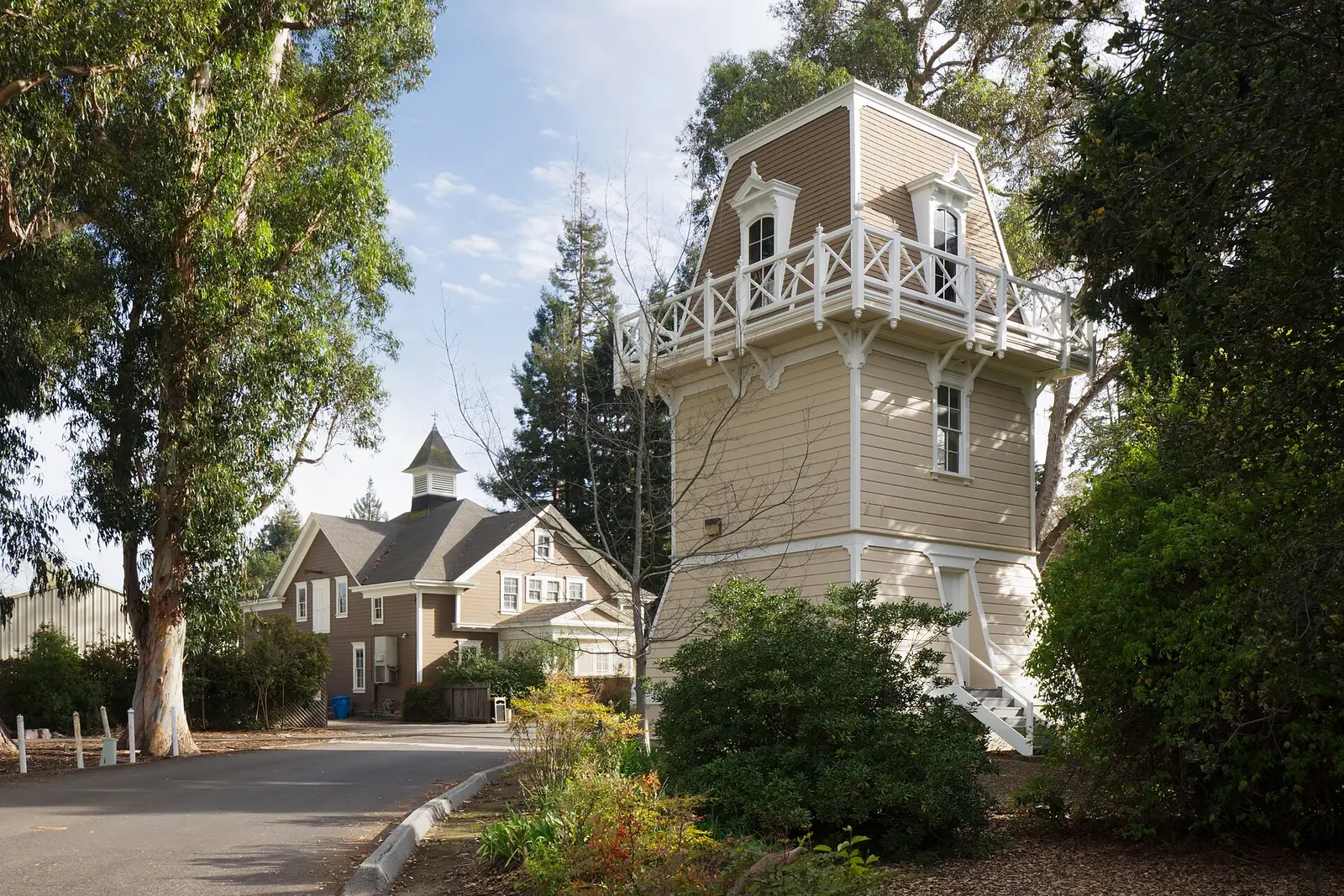
At Holbrook-Palmer Park. The Town keeps a free self-service compost pile across from the historic water tower, before you reach the Jennings Pavilion parking lot, restocked by GreenWaste with compost made from what Atherton puts in its green bins. Residents and their gardeners bring their own containers, shovels and gloves.
Does Atherton's drainage review care where our downspouts end?
On permitted projects, yes. When a standalone home creates or replaces 2,500 square feet or more of impervious surface, the Drainage Criteria require at least one site design measure, such as roof runoff sent to barrels or cisterns or onto planted areas, and the grading checklist asks plans to show where each roof leader connects. For an ordinary clean-out, the practical point is keeping those outlets clear.