Fences and gates Walnut Creek

Walnut Creek fences: wood, iron or steel, and a hearing above the limit

Walnut Creek sets fence height by setback rather than by lot line. Section 10-2.3.104 allows seven feet in a required interior side, rear or corner side setback and three feet in the front setback, both measured from the highest adjacent grade, and limits fences to wood, iron or steel. Going taller is a minor use permit decided at a public hearing. Chain link is out wherever a trail or city grassland can see it.

  • Free to request, no obligation to hire
  • Up to five local pros who take this work can reply
  • Rules on this page checked against 16 public sources, October 2026
Height by setback
Seven feet behind, three in the required front setback
Above the limit
A minor use permit, decided after a public hearing
Materials allowed
Wood, iron or steel; no barbed, razor or electric wire
Protected trees
Any tree 9 inches across at 4.5 feet, dead or alive

Get quotes for fence and gate work in Walnut Creek

Two short steps. A local pro who takes this work calls or texts you back.

To send a request, call or text (415) 449-8213.

Free to request, and you agree the scope and price with the person you hire before work starts. In California, a job over $1,000 in labor and materials, or one that needs a building permit, must be done by a contractor licensed by the CSLB in the right class. Ask for the license number and check it at cslb.ca.gov.

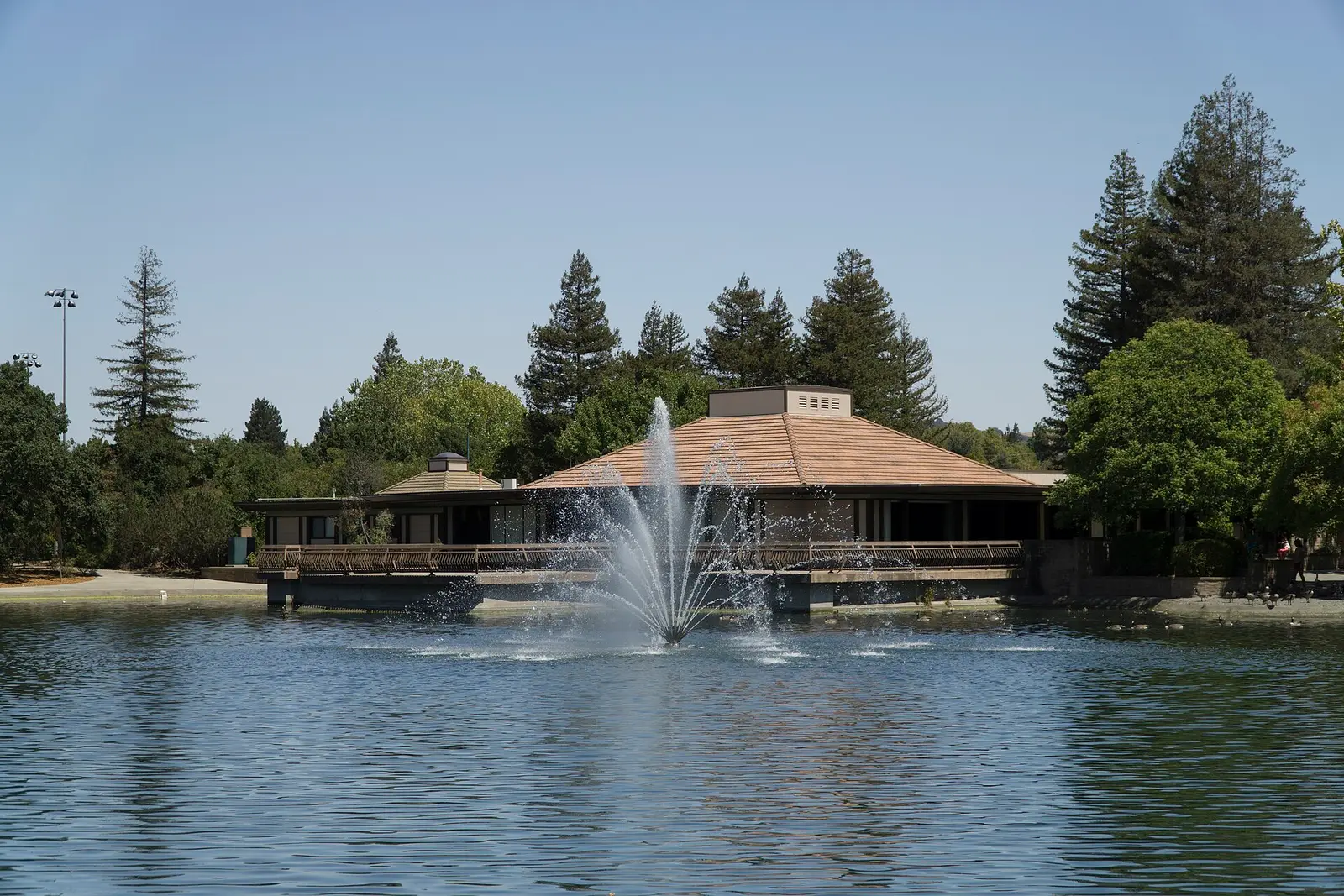
The community center at Heather Farm Park in Walnut Creek
The community center at Heather Farm Park in Walnut Creek. Photo: Californiathegreat, CC BY-SA 4.0, via Wikimedia Commons.
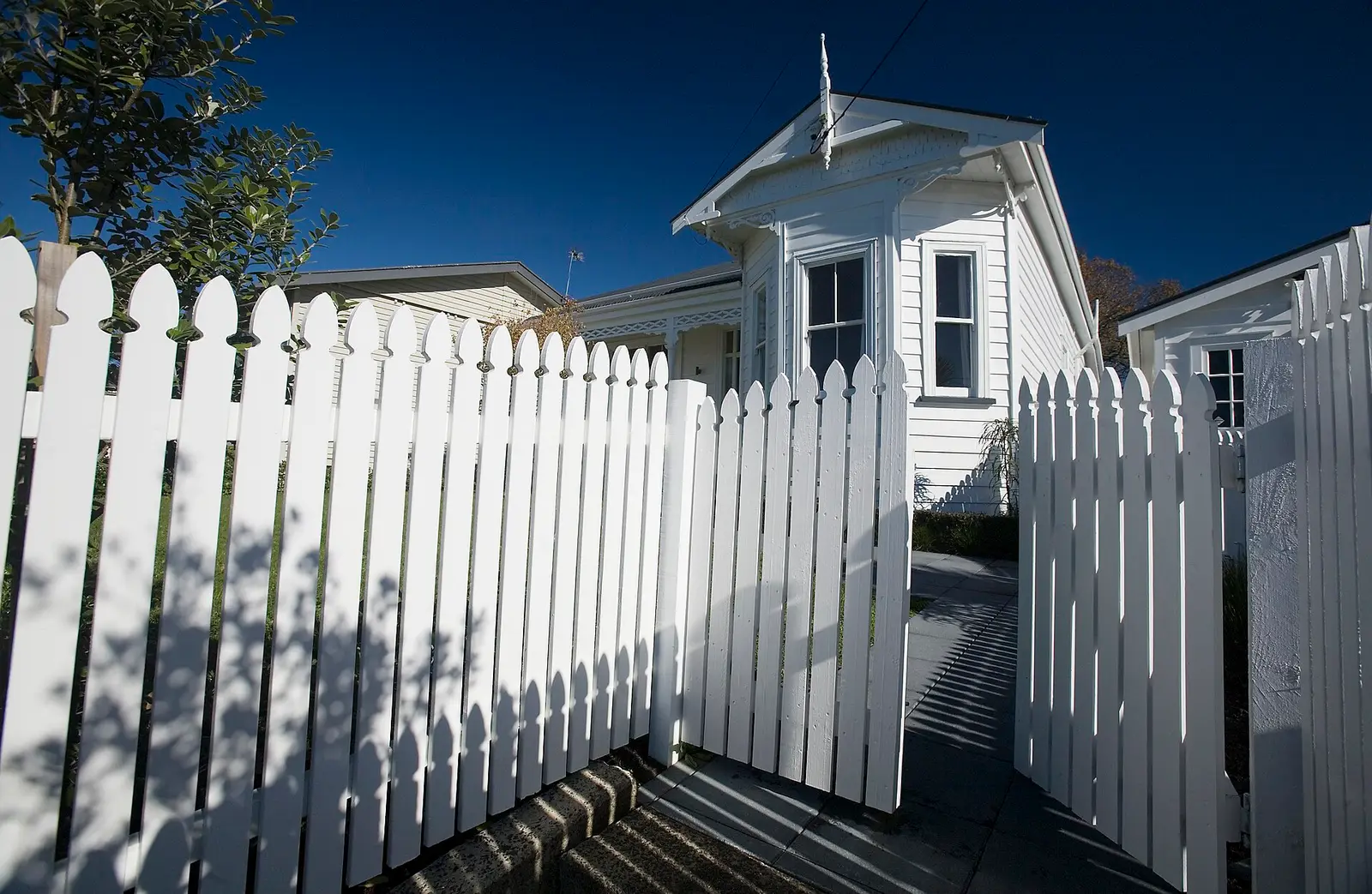
A white wooden picket fence with an open gate in front of a white weatherboard house
A white wooden picket fence with an open gate in front of a white weatherboard house. Photo: Jorge Royan, CC BY-SA 3.0, via Wikimedia Commons.

The houses here

Where the line runs, and who already agreed to it

Most of this work is a replacement on a line somebody settled decades ago, and the city is unusually direct about that: side and back property lines are usually defined by fence locations, and it is generally accepted by the city that those locations are reasonably accurate. The street end of the lot is the part nobody can eyeball. The city puts the front property line generally between twenty-four and sixty inches behind the back of the sidewalk, and its corner-fence sheet adds that on a fifty-foot street the line normally sits seven feet from the face of the curb, ten feet on a street sixty feet or wider. Where a lot has no curb or gutter, the city says a survey is usually the only way to find it. Everything past that line is public right-of-way, with its own permit.

Free, no obligation. Next, add your details in the request form.

The work

What usually goes wrong, and which counter decides it

  1. Rebuilding the run across the front

    Three feet is the ceiling in a required front setback, and in single-family districts here that setback is usually twenty or thirty feet deep, so the low run reaches most of the way back to the house rather than stopping at the sidewalk. Corners add a second shaded area. The city's fence-height-at-corners sheet holds planting as well as boards under three feet within forty feet measured from the point where the two curb lines intersect, or the edge of pavement where there is no curb, and draws that area four ways because square, rounded, acute and obtuse corners each throw it differently.

  2. A fence standing on a low wall

    A retaining wall of four feet or less, measured from the bottom of its footing and holding back three feet of soil or less, sits on the city's no-permit list only while nothing surcharges it. The city defines a surcharge as added weight above the wall from the ground, a fence or structure, or support for an adjacent property, so boards on top are the thing that takes the wall off that list. Zoning sets its own ceilings: no single retaining wall over seven feet inside a required setback, measured from finished grade to the top, and anything retaining more than seven feet steps back in terraces, each gap equal to the height of the wall above it.

  3. Swapping out chain link the trail can see

    Section 10-2.3.104 names what a fence may be built of here: wood, iron or steel. Barbed wire, razor wire and electric fencing are not allowed at all, and chain link is barred wherever it is visible from the public right-of-way, a publicly accessible path, publicly accessible outdoor space or open space lands. Walls carry a parallel list, limited to finished concrete, paver or wall block, split-faced or stucco-finished block, or whatever material already covers most of the house. Unfinished block is prohibited on a retaining wall. Anything outside those lists goes to the Community Development Director as an alternative material.

  4. Back lines that end at city grassland

    Shell Ridge runs to 1,420 acres and 31 miles of trail, Lime Ridge to 1,226 acres and 25 miles, so a long stretch of back fence here faces land the city mows rather than a neighbor's lawn. Open Space staff cut roughly 18 miles of disked fuel break along ridgelines, fire roads and property lines, plus more than 10 miles trimmed by hand along open space property lines. The fire district sets the date on the private side: June 1 in 2026 for Walnut Creek and Rossmoor alike, with inspections running through a season it says usually expires around late October.

  5. The oak growing into the line

    Any tree inside the city limits, dead or alive, needs a tree removal permit unless it measures less than nine inches in diameter at four and a half feet above the ground, and the city states that leaves or needles alone are not a reason it accepts. The City Arborist visits the site before approval and weighs disease, species, form, health, structure, danger of falling, utility interference and proximity to existing structures. Rebuilding a fence around a trunk needs none of that, which is often the faster answer when the tree is healthy and the posts are the only thing that failed.

Permits and local rules

Where the numbers in a Walnut Creek quote come from

  1. Heights, read setback by setback

    The Building Division's fence page gives the two heights plainly: three feet or less within the front yard setback or the street side yard of a reversed corner lot, seven feet in all other setbacks, with a minor use permit the only way past either. Lattice and mesh count, since anything added that increases the height counts toward the total. Zoning writes the same limits into Section 10-2.3.104 and measures them from the highest adjacent grade, though the city's own page tells owners to measure from the lowest existing grade, which is worth settling with the duty planner before lumber is ordered. A pool here has to be enclosed by a fence of at least fifty-four inches with a self-latching gate, or by a wall.

    Source: City of Walnut Creek Building Division (walnutcreekca.gov)

  2. Two no-permit lists that do not agree

    The city publishes its exemptions twice, and a fence falls in the gap. Development Review Services lists work not requiring a building permit and reads simply: fences not over seven feet high. The Building Permit FAQ list reads fences up to six feet high, or up to eight feet if the fence weighs ten pounds per square foot or less, and sends anything over six feet to a minor use permit. Both lists also carry the four-foot retaining wall exemption and the surcharge condition that a fence on top defeats. Whichever list a contractor quotes from, the zoning height still applies on its own, and the permit question goes to staff rather than to habit.

    Source: City of Walnut Creek Building Division (walnutcreekca.gov)

  3. What a minor use permit looked like in practice

    In application Y24-093 an owner on Las Juntas Way asked to keep a six-foot fence already standing along the street side yard of a reverse corner lot, a 14,884-square-foot flag-shaped parcel zoned R-10. The decision records why it needed a hearing: on a reverse corner lot the code otherwise requires six-foot fences to sit twenty feet back from the property lines along both frontages. The application was filed in November 2024, revised plans arrived in May 2025, notices went to every property owner within 300 feet at least ten days ahead, and the Zoning Administrator approved it after a June 2025 hearing at which nobody spoke, finding the fence outside the sight distance triangle.

    Walnut Creek Zoning Administrator, MUP Y24-093 (opens in a new tab)
  4. Digging in front of the property line

    Any work performed in the public right-of-way takes an encroachment permit from Engineering Services, and on a lot where the front line sits only a couple of feet behind the sidewalk that reaches a surprising number of post holes and gate posts. The checklist is more than a form: the application with site plans, insurance documents, site-specific traffic and pedestrian control plans, and a Walnut Creek business license held by every contractor and subcontractor on the job. Applications run through the city's online permit system, where Engineering reviews them, raises questions and assesses the fee before anything is issued.

    Source: City of Walnut Creek Engineering Services (walnutcreekca.gov)

State license for this work: C-13 Fencing, C-29 Masonry. Look up a contractor's license on the CSLB website (cslb.ca.gov).

Before you hire

Settle these before the old boards come off

  • Ask which setback each run sits in: the required front setback here is often twenty or thirty feet deep, and three feet is the ceiling for all of it.
  • If the fence will stand on a wall holding soil, ask whether that makes the wall a surcharge and takes it off the city's no-permit list.
  • Ask where the front property line falls before a post hole goes in near the sidewalk, and who files the encroachment permit if the work lands past it.
  • In Rossmoor, get the Mutual's alteration approval in hand before anything on the outside of a manor is touched, fences and gates included.
  • Ask who applies for the tree removal permit and waits on the City Arborist's visit if a trunk in the line has to go.

Free, no obligation. Next, add your details in the request form.

Questions

Fence questions the Walnut Creek planning counter hears

How tall can a back fence in Walnut Creek be?

Seven feet in a required interior side or rear setback, or in the corner side setback of a corner lot, under Section 10-2.3.104, measured from the highest adjacent grade. The city's fence page carries the same figure and adds that lattice and mesh count toward it, since anything that increases the height counts. Three feet is the ceiling in a required front setback and in the street side yard of a reversed corner lot. Above the standard the route is a minor use permit, not a taller building permit.

Does a six-foot fence here need a permit at all?

Two city lists answer differently, which is worth settling before anyone orders lumber. Development Review Services, under work not requiring a permit, reads fences not over seven feet high. The Building Permit FAQ list reads fences up to six feet, or up to eight feet if the fence weighs ten pounds per square foot or less, and sends anything over six feet to a minor use permit. Planning staff resolve it for a specific yard, which is a short email rather than a trip to City Hall.

Can we put chain link along the back line?

Only where none of the places the code names can see it. Section 10-2.3.104 limits fences to wood, iron or steel, bars barbed wire, razor wire and electric fencing outright, and does not allow chain link where it is visible from the public right-of-way, a publicly accessible path, publicly accessible outdoor space or open space lands. With Shell Ridge, Lime Ridge, Acalanes Ridge and Sugarloaf together running past three thousand acres, that last phrase covers a lot of back fence in this city.

Is there anywhere a fence can go to eight feet?

Two situations in the code reach it. Residential property abutting a highway may carry a solid fence or wall up to eight feet along the interior property lines beside it, with a landscaped buffer once it passes seven. And where a single-family use abuts a multifamily, mixed-use or nonresidential use, a solid fence or wall up to eight feet is allowed on that line. When a new multifamily or mixed-use building goes up beside an existing house, that screening is required rather than optional, at least seven feet and no more than eight.

There is an oak growing into our fence line. Can it come out?

Not without a tree removal permit. The city requires one for any tree inside the city limits, dead or alive, unless it measures less than nine inches in diameter at four and a half feet above the ground, and it says leaves or needles alone are not a valid reason for removal. The City Arborist visits first and weighs disease, species, form, health, structure, danger of falling, utility interference and proximity to existing structures. Rebuilding the fence around the trunk needs no permit at all.

We already built a six-foot fence in our street side yard. What now?

There is a documented route for exactly that. Minor Use Permit Y24-093 covered an existing six-foot fence along the street side yard of a reverse corner lot on Las Juntas Way, where the code otherwise asks that six-foot fences sit twenty feet back from the property lines on both frontages. It was filed in November 2024, revised in May 2025, noticed to owners within 300 feet, and approved after a June 2025 hearing once the Zoning Administrator found it clear of the sight distance triangle.

Where these facts come from

Checked against these public sources in October 2026. Rules and programs change: confirm permit requirements with the city before work starts, and a contractor's license on the CSLB website.

  • walnutcreekca.gov: fences (walnutcreekca.gov)
  • walnutcreekca.gov: building permit faqs (walnutcreekca.gov)
  • walnutcreekca.gov: city of walnut creek development review services work not requiring a (walnutcreekca.gov)
  • walnutcreekca.gov: 638006469733630000 (walnutcreekca.gov)
  • walnutcreekca.gov: 635693124303700000 (walnutcreekca.gov)
  • walnutcreekca.gov: encroachment permits (walnutcreekca.gov)
  • walnutcreekca.gov: tree removal permit (walnutcreekca.gov)
  • walnutcreekca.gov: open space (walnutcreekca.gov)
  • walnutcreekca.gov: fire preparedness (walnutcreekca.gov)
  • walnutcreek.granicus.com: MetaViewer
  • cccfpd.org: Weed Abatement Annual Program
  • cccfpd.org: Weed Abatement Standards PDF

Fence and gate work in Walnut Creek? Tell us what you see.

One request reaches local handymen and contractors who take this work. The Handyman SF connects you with them; it does not do the work.

HandymanNow for handymen Work in Walnut Creek? Get job leads by text. Pick your trades and areas, take only the jobs you want. No subscription. Start getting leads HandymanNow for homeowners Get the HandymanNow app. Send a request with photos, message your handyman and follow them on the way. Download the app

HandymanNow app

Fix it faster. Find work faster.

Homeowners send a job with photos and follow their handyman on the map. Handymen get local jobs by text and take only the ones they want.

Call WhatsApp (opens WhatsApp) Free quote