Fences and gates Fremont

Fremont fences: 8-foot back lines, 30-inch corners, walls that need permits

Fremont's zoning allows taller back fences than San Jose or Palo Alto: up to 8 feet in a required side or rear yard and 48 inches in a required front yard. A building permit is still needed once a fence passes 7 feet, and for a retaining wall of any height, which matters on lots that step up toward the hills. On a corner, nothing inside a 20-foot sight triangle may rise more than 30 inches above the curb.

  • Free to request, no obligation to hire
  • Up to five local pros who take this work can reply
  • Rules on this page checked against 11 public sources, October 2026

Get quotes for fence and gate work in Fremont

Two short steps. A local pro who takes this work calls or texts you back.

To send a request, call or text (415) 449-8213.

Free to request, and you agree the scope and price with the person you hire before work starts. In California, a job over $1,000 in labor and materials, or one that needs a building permit, must be done by a contractor licensed by the CSLB in the right class. Ask for the license number and check it at cslb.ca.gov.

Before you hire

Settle these with a Fremont fence pro first

  1. If the fence sits on or beside a retaining wall, ask whether the wall work needs a permit; in Fremont any retaining wall does.
  2. On a corner lot, ask them to keep everything within 20 feet of the corner under 30 inches above the top of the curb.
  3. For a fence facing a street, ask which side is finished; Fremont wants the finished face toward the public right-of-way.
  4. Ask how the old fence leaves: in a Republic Services debris box, or in the contractor's own truck to an approved recycling facility.
  5. On a lot above Mission Boulevard, ask Planning whether it is in the H-I district before ordering a solid fence for the whole perimeter.
Front yard limit
48 inches, under Municipal Code 18.171.010
Side and rear yards
8 feet, with a building permit for anything over 7
Corner sight triangle
30 inches above the curb, 20 feet back from the corner
Retaining walls
A building permit at any height
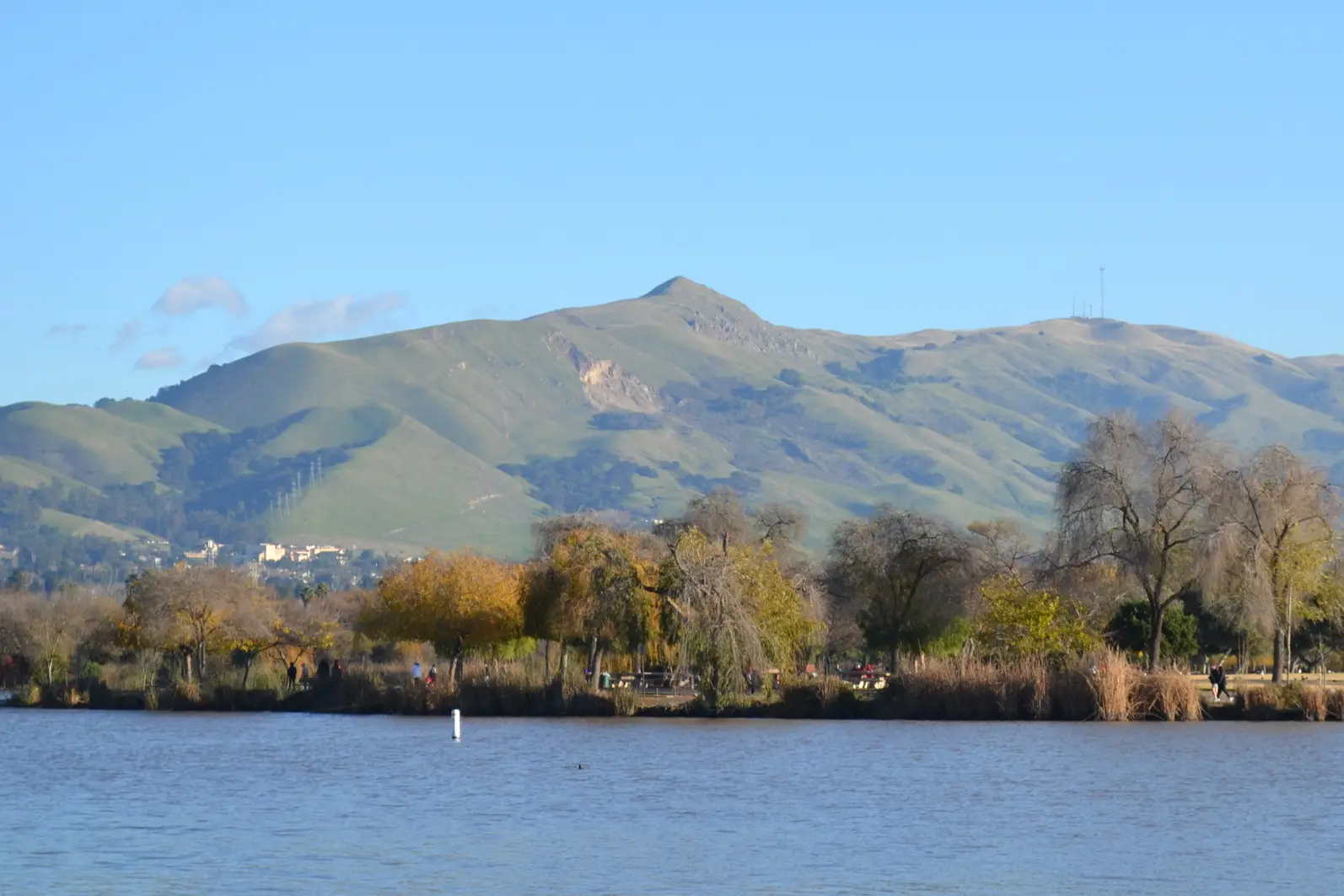
Mission Peak above Lake Elizabeth in Fremont
Mission Peak above Lake Elizabeth in Fremont. Photo: Oleg Alexandrov, CC BY-SA 3.0, via Wikimedia Commons.

The houses here

Valley-floor tracts below the toe of the hill, and the lots above it

Fremont's General Plan draws a line it calls the toe of the hill, where natural grade first reaches 20 percent, and in the south of the city, subdivisions run from Mission Boulevard and I-680 up to it. A few came before the hillside initiatives and climb past it: about half of the Avalon subdivision and all of Ponderosa Heights, more than 300 homes on large view lots just north of the Santa Clara County line, plus estate tracts such as Vineyard Heights and Vista del Sol from the 1980s and 1990s. Below the line, grades are gentler. Above it, a fence line tends to meet a slope, a retaining wall and hillside design standards.

Free, no obligation. Next, add your details in the request form.

The work

Fence work that plays out differently in Fremont

  1. A fence standing on a retaining wall

    Fremont removed the state's permit exemption for short retaining walls, so a wall of any height under or beside a fence needs a building permit, while concrete and masonry fence walls are exempt only to 4 feet. The fence chapter also has a rule for walls in required yards: where a retaining wall is tall enough that the height limit would leave no room for a 4-foot fence on top, an open fence up to 4 feet may still go there. Repairing boards on an existing wall is a different job from rebuilding the wall.

  2. The street side of a corner lot

    On a Fremont corner lot, including a reversed corner lot, a fence or hedge within 5 feet of the side street lot line may not exceed 48 inches, and inside the 20-foot sight triangle at the corner the limit is 30 inches above the top of the curb. A fence next to a public right-of-way that is finished on one side must face its finished side toward the street, so the rails and posts end up on the owner's side.

  3. Taller screening along side and rear lines

    For privacy past a fence's limit, the code offers two other routes. It lets hedges used as screening along side and rear lines reach 12 feet for limited distances, against the 8-foot limit on fences there, and lets substantially open fencing or planting, more than 75 percent open to light and air, encroach into setbacks without exceeding the height limits. Beyond 8 feet, a fence needs the zoning administrator's findings.

  4. Rebuilding a fence on a hillside lot

    In the Hillside Combining (H-I) district, the development standards allow solid fencing between adjoining structures and for privacy out to a point 20 feet beyond the rear building line, or as the planning manager approves. Everywhere else on the lot, open fencing is the rule unless the planning manager accepts solid fencing during design review, and any fence that needs a building permit gets the planning manager's design approval first. Replacing a long solid perimeter fence on such a lot is worth a call to Planning beforehand.

Permits and local rules

Fremont code sections a fence job runs into

  • Heights by yard, and the exceptions

    Chapter 18.171 caps fences and hedges at 8 feet in a required rear or side yard, unless the zoning administrator finds more height necessary for a required acoustical measure, and at 48 inches in a required front yard. Going higher takes findings that the fence creates no traffic hazard, stays out of the public right-of-way and the sight triangle, is reasonably necessary because of unusual conditions on the lot, and will not substantially impair neighboring property. Barbed wire and electrically charged fencing are prohibited in residential districts.

    Fremont Municipal Code, Chapter 18.171 (opens in a new tab)
  • Building permits: past 7 feet, and every retaining wall

    Section 18.171.030 requires a building permit for fences over 7 feet, concrete and masonry walls over 4 feet, and retaining walls of any height. The Building and Safety Division's list of work that needs no permit matches it, exempting wood fences up to 7 feet and concrete or masonry walls up to 4 feet when they are not subject to specific planning and zoning rules, and marking the retaining-wall exemption as deleted by a city ordinance of 2019.

    Fremont Municipal Code 18.171.030 and Building Division (opens in a new tab)
  • Hillside district fencing standards

    Fremont's (H-I) Hillside Combining District exists to guide safe development of the city's hillside areas, and its standards prevail where they conflict with the underlying zoning. Besides the fencing rule that limits solid fencing to the house and a 20-foot privacy zone behind it, the district caps each retaining wall that is not part of a building at 3 feet above the approved grade, which matters wherever a fence line climbs a slope.

    Fremont Municipal Code 18.130.050 (opens in a new tab)
  • The city's Very High Fire Hazard Severity Zone map

    Fremont's Very High Fire Hazard Severity Zone map in the Local Responsibility Area was set by City Ordinance 10-2025, which the City Council approved on July 15, 2025. A house inside that zone is one the state Board of Forestry's pending Zone 0 rules would reach. The Board's August 2026 draft would require a 5-foot noncombustible span where a fence attaches to a home, and in October 2026 the package was still in final review at the Office of Administrative Law.

    Source: City of Fremont, Fire Hazard Severity Zone map (2025) (fremont.gov)

State license for this work: C-13 Fencing, C-29 Masonry. Look up a contractor's license on the CSLB website (cslb.ca.gov).

Part by part

Two hillside pockets where Fremont fences meet extra rules

  • Avalon and Ponderosa Heights

    These neighborhoods in the Southern Hill Area predate the hillside ordinances: about half of Avalon and all of Ponderosa Heights sit above the toe of the hill. The General Plan designates them open space while letting existing legal lots hold single-family homes, with no further subdivision. Before replacing a fence, check whether the lot carries the H-I district and where it falls on the 2025 fire hazard map.

  • Vineyard Heights and Vista del Sol

    Estate subdivisions of the 1980s and 1990s that encroach above the toe of the hill. The General Plan links a major 1998 landslide on the slopes of Mission Peak to the push for Measure T in 2002, which barred buildings and roads on slopes of 30 percent or more above that line, so fence work here is more likely to meet slopes and retaining walls than on the valley floor.

Free, no obligation. Next, add your details in the request form.

Questions

Fremont fence questions, answered from the code

Can our Fremont back fence be 8 feet tall?

Zoning allows up to 8 feet in a required rear or side yard, and a hedge used as a screen there can reach 12 feet for limited distances. The catch is the building permit: Fremont requires one for any fence over 7 feet, so an 8-foot fence is allowed by zoning but needs a building permit. More than 8 feet takes findings by the zoning administrator, such as a required acoustical measure.

How tall can a fence across our front lawn in Fremont be?

48 inches in the required front yard, and the same limit applies to a hedge. Fencing that is more than 75 percent open to light and air may stand in a setback but still may not exceed the height limit. On a corner lot, the 20-foot sight triangle drops the limit to 30 inches above the top of the curb, and a fence within 5 feet of the side street lot line stays at 48 inches.

Does the short garden retaining wall under our fence need a permit?

In Fremont, yes. Section 18.171.030 requires a building permit for retaining walls of any height, and the city deleted the state code's exemption for retaining walls in 2019. The fence on top may not need one if it is wood and no taller than 7 feet, but a contractor rebuilding the wall itself should be pulling a permit for it.

Our house is in the hills above Mission Boulevard. Can we put a solid wood fence all the way around?

Maybe not, if the lot is in the Hillside Combining (H-I) district. There, solid fencing is allowed between adjoining structures and for privacy out to 20 feet beyond the rear building line, with open fencing elsewhere unless the planning manager accepts solid fencing in design review. Ask Planning which district the parcel is in before ordering materials.

Who takes the old fence away in Fremont?

Fremont gives two routes for construction and demolition debris: a debris box from Republic Services, or the contractor hauling it in its own vehicle to an approved recycling facility. The two free bulky pickups a year that curbside households get do not take construction and demolition debris, so agree in the quote which route the old boards and posts will take.

Where these facts come from

Checked against these public sources in October 2026. Rules and programs change: confirm permit requirements with the city before work starts, and a contractor's license on the CSLB website.

Fence and gate work in Fremont? Tell us what you see.

One request reaches local handymen and contractors who take this work. The Handyman SF connects you with them; it does not do the work.

HandymanNow for handymen Work in Fremont? Get job leads by text. Pick your trades and areas, take only the jobs you want. No subscription. Start getting leads HandymanNow for homeowners Get the HandymanNow app. Send a request with photos, message your handyman and follow them on the way. Download the app

HandymanNow app

Fix it faster. Find work faster.

Homeowners send a job with photos and follow their handyman on the map. Handymen get local jobs by text and take only the ones they want.

Call WhatsApp (opens WhatsApp) Free quote