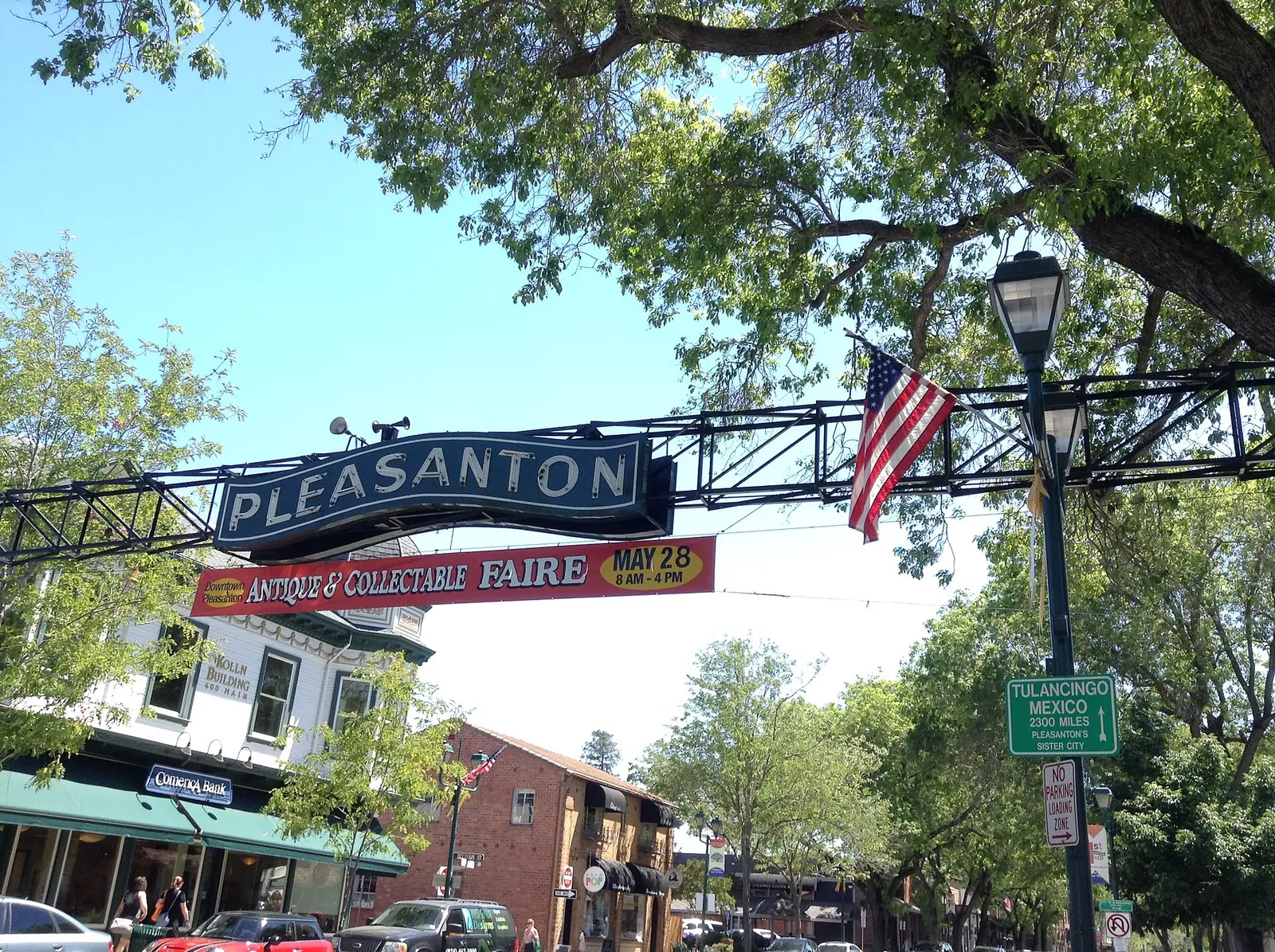
Pleasanton repairs, from downtown heritage houses to Ruby Hill
Since 2015, changing windows, siding or porches on 88 designated pre-1942 houses in downtown Pleasanton has needed fuller city design review, so repairing originals often makes more sense. West of downtown, the 1968-73 Val Vista and Valley Trails tracts bring their own wear, and gated Ruby Hill sits on the eastern edge, in a valley that has hit 115°F.
Alameda County Fairgrounds, Kolln Hardware building, Pleasanton Ridge Regional Park
What homes in Pleasanton need most
Repairing heritage windows instead of swapping them
Pleasanton's 2015 historic survey of the downtown area, limited mostly to houses built before 1942, designated 88 of more than 200 properties evaluated, and the city said switching out windows on those homes now goes through a more thorough design review. That makes repair the practical route: freeing painted-shut sash, replacing broken cords and hardware, re-glazing cracked panes and rebuilding rotted sills. Check with the city before any change in appearance; repairing in kind keeps the original window in place. More about door and window repair
Porch and siding repairs downtown
Porches and cladding are two of the character-defining features the city named in its 2015 protections for historic downtown houses, alongside windows. The carpentry that fits is like-for-like: replacing a rotted porch floorboard, step or railing section with the same profile, splicing in new siding boards that match the old, and repairing trim instead of covering it. Changing a porch's design or re-siding the house is a design review matter, so start with the city. More about carpentry, shelves and trim
Fixtures in Val Vista and Valley Trails houses
Val Vista was built by Singer Homes from 1968 to 1973 as single-story ranch houses with separate living and family rooms, and Valley Trails by Morrison Homes from 1968 to 1971. After more than fifty years, their kitchens and baths often mix original fixtures with later replacements. Dripping faucets, running toilets, worn supply lines and shutoff valves that won't close are the common repairs, and swapping those parts is straightforward handyman work. Changes to drains or supply piping stay with a plumber. More about faucet, toilet and fixture repair
Backyard fences on west-side tract lots
West-side tract lots of about 6,000 to 8,000 square feet mean backyards fenced on three sides, often shared with neighbors, and Pleasanton's hot, dry summers are hard on that wood. Boards shrink and split, posts rot at the soil line once winter rain returns, and gates sag. Resetting or replacing failed posts, swapping split boards and rails, and rehanging gates are handyman jobs, and staining or sealing afterward slows the next round of sun damage. More about fence, deck and gate repair
How the houses here are built
Older houses in the heritage neighborhoods around Main Street, many from before 1942; west-side tracts from 1968 to 1973, including Val Vista by Singer Homes and Valley Trails by Morrison Homes; and Ruby Hill, a gated golf-course community on the eastern edge built from the 1990s.
Downtown's historic houses are defined by their original windows, cladding and porches, the very elements the city's design review now watches. The west-side tract houses run about 1,300 to 1,950 square feet on lots of roughly 6,000 to 8,000 square feet; Val Vista was built entirely as single-story ranches with two-car garages.
Hot, dry summers and cool winters, with records of 115°F in 1950 and 17°F in 1990, are hard on exterior paint, caulk and wood on sunny walls.
Good to know before a job in Pleasanton
Downtown's historic survey and design review
The Downtown Specific Plan covers 308 acres nearly bisected north to south by Main Street, where buildings like the 1890 Kolln Hardware building at 600 Main Street still stand. In November 2015 the City Council adopted a historic resource survey tied to that plan, with a 1941 cut-off to capture pre-war architecture. It designated 88 properties, and on those, changes such as new windows, different cladding or altered porches go through a more robust design review than before.
Ruby Hill on the eastern edge
Ruby Hill is a gated, homeowners-association community built around a private Jack Nicklaus Signature golf course that opened in 1996, on Pleasanton's eastern edge where the city meets the Livermore Valley vineyards. Developed from the 1990s, it mixes large custom-built houses with tract homes in French Country, Spanish and Mediterranean styles. For work there, arrange gate entry ahead of time and check the association's rules before any exterior change.
How a request works
Describe the job
A sentence and a photo or two is enough. It takes about a minute.
A local handyman gets in touch
By call or text, to ask what the photos don't show and give you a price.
You decide
Agree a time and price with the handyman directly, or don't. Requesting costs nothing.
Questions from Pleasanton homeowners
My downtown Pleasanton house was built before 1942. Can I replace the windows?
If your house is one of the 88 designated in the city's 2015 survey, replacing windows goes through fuller design review. Check its status with the city first. Repairing the existing windows, with new cords, hardware, glazing and sills, keeps the originals and avoids changing the house's appearance.
I have a Val Vista ranch from the late 1960s. What usually needs attention?
Houses built by Singer Homes between 1968 and 1973 are past fifty years old. Common items are kitchen and bath fixtures, sliding patio doors, interior doors and hardware, weatherstripping, and backyard fence posts and gates. A single request listing all of them lets a handyman plan one visit instead of several.
Can a handyman work inside the gates at Ruby Hill?
Yes, once entry is arranged. Ruby Hill is a gated community with its own homeowners association, so plan gate access before the visit and mention the community when you describe the job. Interior repairs are straightforward; for fences, gates or anything visible outside, check the association's rules first.
How does Pleasanton's heat affect exterior repairs?
The city has recorded 115°F, and long hot, dry summers shrink and split wood, harden caulk and fade paint on south and west walls. Schedule caulking and staining in late spring or early fall rather than midsummer, when surfaces get too hot for many sealants to cure properly, and replace split fence boards before winter rain rots them further.
Checked against these public sources in September 2026. Rules change: confirm anything permit-related with the city or town of Pleasanton before work starts.