Plumbing Pleasanton

Zone 7 water, softener rules and an owner-held lateral in Pleasanton

Hard water shapes much of the plumbing work in Pleasanton. The city has bought all its water from Zone 7 since PFAS took its own wells offline in 2022, and Zone 7 says the western part of its service area, where its wells are, typically gets harder water than the east. Scale in water heaters and older steel pipe follows, and so do softeners, which the city allows only under its own installation rules. Out to the street, the sewer lateral is entirely the owner's.

  • Free to request, no obligation to hire
  • Up to five local pros who take this work can reply
  • Rules on this page checked against 16 public sources, October 2026
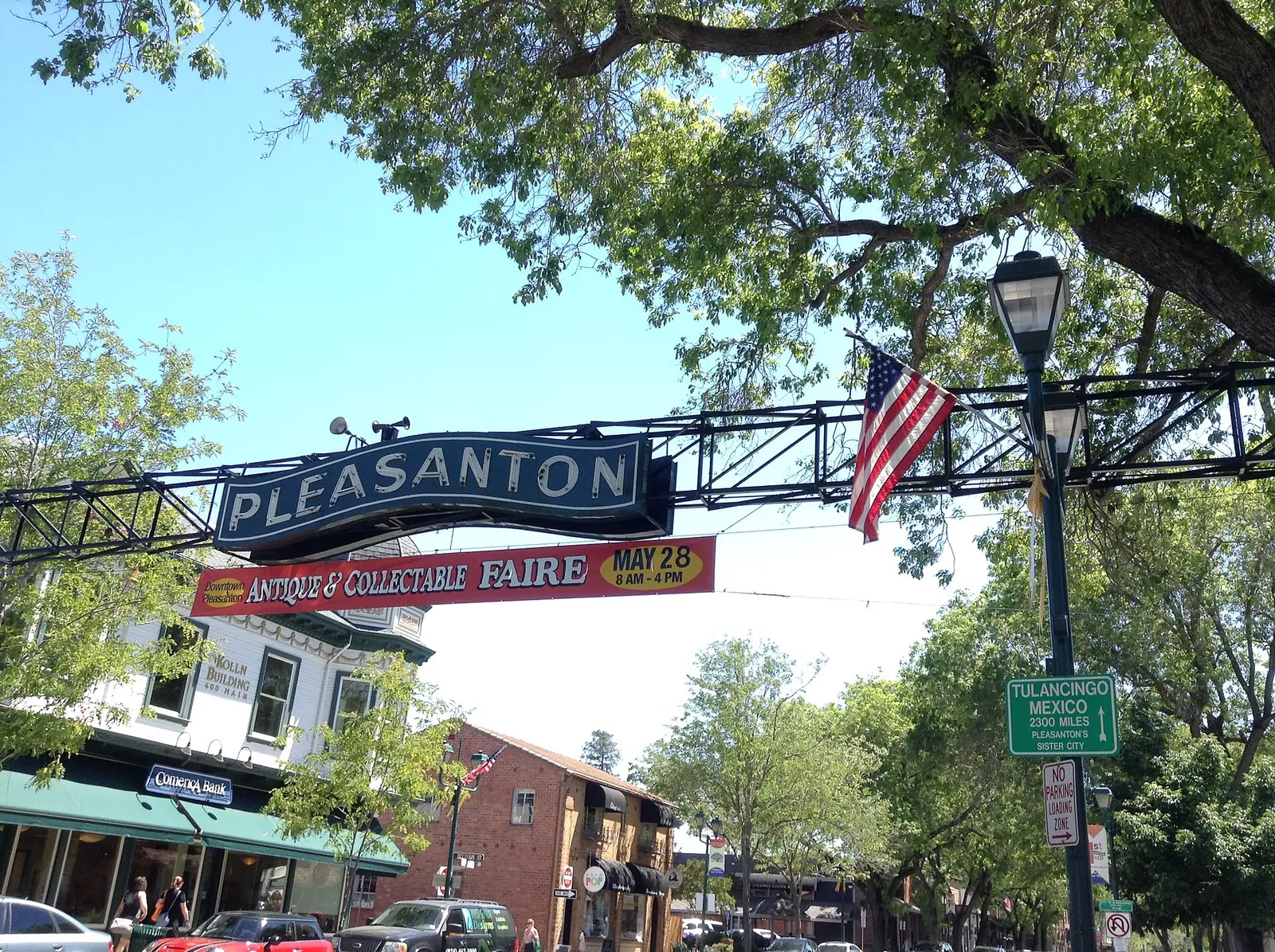
The Pleasanton sign over Main Street
The Pleasanton sign over Main Street. Photo: Kiddo27, CC BY-SA 4.0, via Wikimedia Commons.
Water source
Zone 7 only, since PFAS took the city's wells offline in 2022
Sewer lateral
Owner maintains all of it (PMC 15.32.100)
Softener sign-off
Certificate signed by a C-55 or C-36 contractor at final
Wastewater treatment
DSRSD's regional plant; Ruby Hill flows to Livermore's
Permits and local rules

City rules a Pleasanton plumbing quote should account for

  1. Lateral responsibility, PMC 15.32.100

    Pleasanton's Public Works customer service page quotes the municipal code directly: the city maintains all trunk sewers, and maintenance of side sewers and service laterals is the responsibility of the property owner served by them. Its Sewer Division will still check the main lines and answer questions about where a problem is occurring, but the lateral itself, under the sidewalk and street included, is for the owner's contractor to clear and repair.

    City of Pleasanton Public Works (opens in a new tab)
  2. Water softener installation requirements

    Citing the California Plumbing Code and Health and Safety Code Sections 116775 to 116795, Pleasanton requires NSF 44 compliance, demand-initiated regeneration and the minimum salt efficiency, and sizing to the plumbing code's table. Fixtures on softened water need faucet and shower flow restrictors and a toilet dam or a toilet of no more than 1.6 gallons a flush, unless they would stop working properly. No softener may cause excessive pressure drop. For a non-residential building, the handout sends owners to DSRSD, which may authorize one.

    City of Pleasanton Building and Safety Division (opens in a new tab)
  3. Cross-connection control, Ordinance No. 2296

    Adopted in July 2025, it amended Chapter 14.16 of the municipal code to match the state's Cross-Connection Control Policy Handbook. Existing homes need a backflow prevention assembly where a hazard is found, such as an on-site well, a booster pump or an unprotected fire sprinkler system. Every assembly is tested at installation and then yearly, and owners get a notice 45 days before the test is due. To be on the city's tester list, a tester needs state certification, a contractor's license and a Pleasanton business license.

    City of Pleasanton Environmental Services (opens in a new tab)
  4. When repair work becomes permit work

    Under Pleasanton Municipal Code Section 20.04.120, replacing or altering any plumbing or gas system needs a permit unless the city's list exempts it. The plumbing exemptions are narrow: stopping leaks, clearing stoppages, and pulling and resetting a toilet, as long as no valve, pipe or fixture is replaced or rearranged. Ordinary repairs never include replacing or relocating supply, sewer, drain, gas or vent piping.

    City of Pleasanton Building and Safety Division (opens in a new tab)

State license for this work: C-36 Plumbing, C-42 Sanitation System. Look up a contractor's license on the CSLB website (opens in a new tab).

Free request

Describe the plumbing job once. Local pros who take work in Pleasanton reply by call or text.

  • No fee to request, and no obligation to hire
  • You agree scope and price with the pro you choose
  • Photos help them quote without a first visit

Get quotes for plumbing work in Pleasanton

Two short steps. A local pro who takes this work calls or texts you back.

To send a request, call or text (415) 449-8213.

Free to request, and you agree the scope and price with the person you hire before work starts. In California, a job over $1,000 in labor and materials, or one that needs a building permit, must be done by a contractor licensed by the CSLB in the right class. Ask for the license number and check it at cslb.ca.gov.

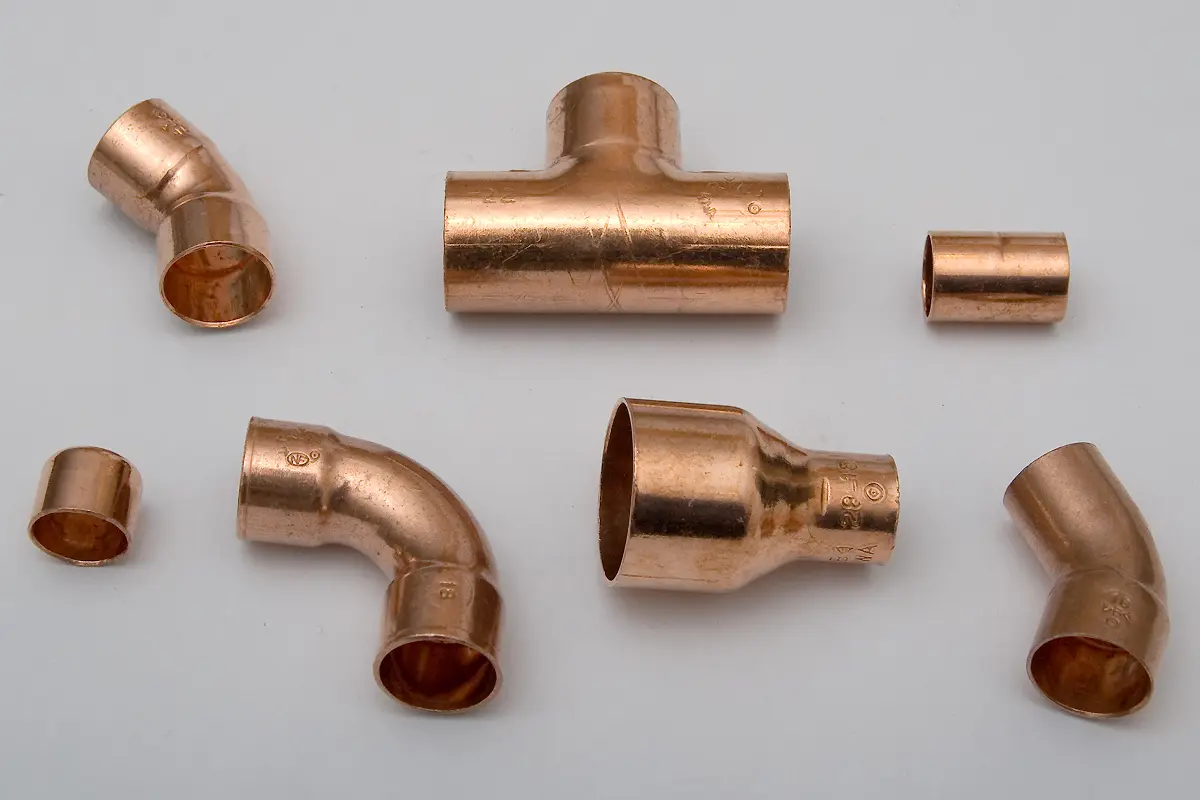
Copper pipe fittings: elbows, a tee, reducers and couplings
Copper pipe fittings: elbows, a tee, reducers and couplings. Photo: Torsten Bätge, CC BY-SA 3.0, via Wikimedia Commons.

The houses here

What two kinds of Tri-Valley water leave behind

Until 2022, the city's own wells supplied roughly 20 to 25 percent of Pleasanton's water. The supply Zone 7 sold the city in 2025 was still treated surface water blended with local groundwater, and the city's 2025 water quality report shows how far apart the two are: Zone 7's surface water averaged 88 mg/L of hardness, its groundwater 318. Zone 7 classes anything above 300 as very hard. It also names what that does inside a house. Older homes with steel pipes are more prone to lime scale, which can lower water pressure, and water heater tanks collect sediment faster and need flushing more often. Weak flow in an older Pleasanton house can be scale as much as corrosion.

The work

Pleasanton plumbing work, and the rule that rides with each

  1. Installing a water softener

    Pleasanton's Building and Safety Division hands out its own requirements for softeners. One may go only in a residence, and it must drain to the sanitary sewer through an air gap of at least an inch. It must regenerate on demand rather than on a timer, carry a salt efficiency rating of at least 4,000 grains of hardness per pound of salt, and leave the outdoor hose bibs on unsoftened water. A C-55 or C-36 contractor signs the city's certificate at final inspection.

  2. Replacing a water heater

    Installing, removing, relocating or replacing a water heater in Pleasanton takes a plumbing permit, issued only to a licensed contractor, the homeowner or the owner's authorized agent. The city's handout spells out what the inspector looks for, including a lower seismic strap at least four inches above the controls, insulation on the first five feet of the hot and cold pipes, and, for a heater in a closet, two combustion-air openings within 12 inches of the floor and of the ceiling. With hard water, ask about flushing too.

  3. A lateral blocked under the street

    Under the municipal code the city maintains its trunk sewers, and side sewers and service laterals belong to the owner they serve. The city's spill response plan says that when a blockage turns out to be in the customer's lateral, staff explain that the city has no legal authority to work on it and recommend hiring a contractor. Digging in the street then needs the city's encroachment permit as well.

  4. A burst pipe on a weekend

    Pleasanton exempts stopping a leak in drain, water, soil, waste or vent pipe from permits. Once a concealed pipe has to be cut out and replaced with new material, the city treats it as new work needing a permit and inspection. For an equipment replacement or repair that cannot wait, the permit application must reach the building official within the next business day.

  5. Fire sprinklers on a big remodel

    Under the cross-connection control rules Pleasanton adopted in 2025, a single-family house that is newly built, or renovated enough to trigger a fire sprinkler system, needs either a pass-through system or a double check assembly on the fire service line. A double check means a field test at installation and then every year by a tester on the city's approved list, so the choice of design carries a standing obligation.

Before you hire

What to ask a plumber who works in Pleasanton

  • For a softener, who will sign the city's installation certificate, and does that person hold a C-55 or C-36 license?
  • If the lateral repair reaches the street, will you pull the encroachment permit, with the traffic control plan the city asks for?
  • Do you hold a current City of Pleasanton business license, which the city asks for on encroachment and backflow work?
  • For a water heater, will the lower strap sit at least four inches above the controls, with five feet of pipe insulated?
  • Does cslb.ca.gov show your C-36 Plumbing license under the same name as the contract?

Timing

Choosing a softener before the new wells run

On April 21, 2026, the City Council voted to move ahead with a joint groundwater project with Zone 7: new wells in the Bernal subbasin at Pleasanton Tennis and Community Park and Hansen Park, treated at an upgraded Zone 7 Hopyard facility and delivered through Zone 7's system. The agreement covering design, construction and operation still has to come back to the Council, and the target for finishing design and construction is early to mid-2029. The project page does not say how the change will affect hardness at the tap, so size any softener to the latest water quality report and retest after the wells come online.

Questions

Pleasanton plumbing questions with local answers

Will the City of Pleasanton clear roots from my lateral under the sidewalk?

No. Pleasanton's municipal code puts side sewers and service laterals on the owner of the property they serve, and the city maintains only trunk sewers. Its spill response plan tells staff to explain that the city has no legal authority to work on a private lateral. The Sewer Division will check the main and help locate the problem.

Why does our Pleasanton water seem harder some months than others?

Because the mix changes. Zone 7 typically supplies about 80 percent surface water and 20 percent groundwater, varying by year and by place, and says the western part of its service area is usually harder because the wells are there. In 2025 its surface water averaged 88 mg/L of hardness and its groundwater 318.

Is a water softener allowed in a Pleasanton house?

Yes, in a residence, with a permit and under the city's requirements: a one-inch air gap to the sanitary sewer, demand-initiated regeneration, a minimum salt efficiency rating and unsoftened hose bibs. Zone 7 adds that self-regenerating softeners are often discouraged because they send extra salt into wastewater, which matters where recycled water is used for irrigation.

Does Pleasanton have any lead water service lines?

The city says no. Its 2024 inventory, built from records and field checks of 764 service lines chosen by stratified random sampling, found no lead and no galvanized lines requiring replacement. It keeps recording pipe material during normal maintenance and meter reading and will update the inventory as it goes.

We have a well on our Pleasanton property. Do we need a backflow device?

Very likely. The city's cross-connection program requires a backflow prevention assembly on existing homes where a hazard such as an on-site well has been identified. The assembly is field tested when installed and then at least once a year by a tester holding state backflow certification, and the city sends a notice 45 days before each annual test is due.

Plumbing work in Pleasanton? Tell us what you see.

One request reaches local handymen and contractors who take this work. The Handyman SF connects you with them; it does not do the work.

HandymanNow for handymen Work in Pleasanton? Get job leads by text. Pick your trades and areas, take only the jobs you want. No subscription. Start getting leads HandymanNow for homeowners Get the HandymanNow app. Send a request with photos, message your handyman and follow them on the way. Download the app

HandymanNow app

Fix it faster. Find work faster.

Homeowners send a job with photos and follow their handyman on the map. Handymen get local jobs by text and take only the ones they want.

Call Get a quote