Home remodeling Palo Alto

Rebuilding a Palo Alto kitchen over a radiant slab or in a historic district

A Palo Alto kitchen that keeps its footprint can be permitted instantly, but only by a licensed contractor and only if the walls, windows, doors, structure and electric panel stay as they are. Two local rules then shape the plan. Under the city's energy code, new or altered kitchen circuits must leave the range ready for a 240-volt electric model, and in an Eichler the supply and drain lines sit inside a concrete slab with no crawlspace beneath it.

The Ramona Street Architectural District in downtown Palo Alto
The Ramona Street Architectural District in downtown Palo Alto. Photo: Sanfranman59, CC BY-SA 3.0, via Wikimedia Commons.
Instant permit
Kitchens kept in their footprint, filed by contractors only
Energy Code climate zone
Zone 4 in every Palo Alto ZIP code
Debris diversion
At least 80% on covered residential jobs, tracked in Green Halo
Eichlers in the city
Some 2,700, per the city's 2018 Eichler guidelines

Permits and local rules

Paperwork a Palo Alto kitchen job has to clear

  1. The Kitchen/Bath Remodel Instant Permit

    Only licensed contractors can apply, through Accela Citizen Access, and the project must be a residential kitchen or bath remodel inside the existing footprint with no added fixture count or equipment, no change to walls, windows, doors or structure, and no service panel or subpanel upgrade. Anything beyond that goes through the Pre-Application process, as does any owner-builder doing the work themselves. The city notes that a project may also fall under its construction and demolition debris diversion program.

    City of Palo Alto Development Services (opens in a new tab)
  2. Construction and demolition debris diversion

    Every demolition permit, interior non-structural ones included, and every building permit above a set valuation falls under the program in PAMC Chapter 16.14, and covered residential projects must divert at least 80 percent of their waste. Before the final inspection, the contractor uploads every debris weight tag to Green Halo, and the city will not accept a tag that lists a city of origin other than Palo Alto.

    City of Palo Alto Development Services (opens in a new tab)
  3. Historic review stops at the exterior

    Houses on the city's Historic Inventory or the California or National Register, and houses inside local or national historic districts, are treated as historic resources and need review for many exterior projects. Normal maintenance, repair and interior work typically need none if the outside does not change. A kitchen gutted behind its existing walls is usually interior work; a bump-out, a new window or a roof vent the street can see is not. The parcel report shows a property's status.

    City of Palo Alto Planning & Development Services (opens in a new tab)
  4. Where the debris box can sit

    Public Works requires debris boxes to go on private property, usually the driveway. Only when an inspector confirms there is no workable spot on the lot, for a reason other than convenience, can an Encroachment Permit put the box in the street, and the owner must have that permit before ordering the container. A street box may stay up to four weeks, with one extension decided case by case.

    City of Palo Alto Public Works (opens in a new tab)

State license for this work: B General Building, B-2 Residential Remodeling. Look up a contractor's license on the CSLB website (opens in a new tab).

Free request

Describe the remodeling job once. Local pros who take work in Palo Alto reply by call or text.

  • No fee to request, and no obligation to hire
  • You agree scope and price with the pro you choose
  • Photos help them quote without a first visit

Get quotes for remodeling work in Palo Alto

Two short steps. A local pro who takes this work calls or texts you back.

To send a request, call or text (415) 449-8213.

Free to request, and you agree the scope and price with the person you hire before work starts. In California, a job over $1,000 in labor and materials, or one that needs a building permit, must be done by a contractor licensed by the CSLB in the right class. Ask for the license number and check it at cslb.ca.gov.

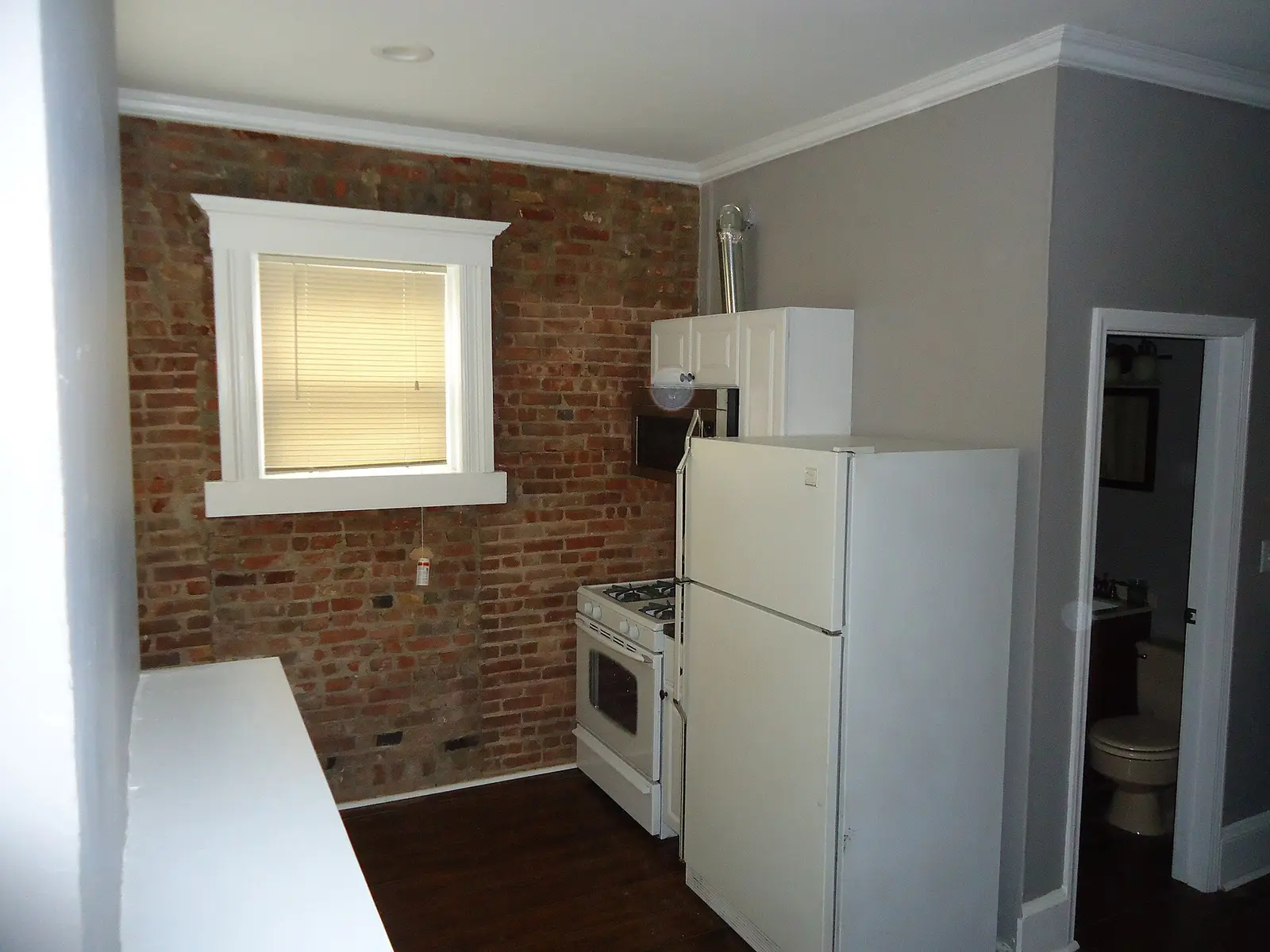
A kitchen partway through a renovation, with new floors, painted walls and a built-in microwave
A kitchen partway through a renovation, with new floors, painted walls and a built-in microwave. Photo: Tomwsulcer, CC0, via Wikimedia Commons.

The houses here

Mahogany walls over a heated slab, and shingled houses downtown

Palo Alto's Eichler guidelines describe the room these houses were planned around: an open plan joining the living and dining room to a kitchen and multi-purpose room, walls often paneled in mahogany, and radiant heating pipes embedded in the concrete slab. The same guidelines list what makes them hard to rework, including foundations without crawlspaces and flat roofs that can be prone to leaks, and the city's page on the Green Gables tract adds built-in appliances to the original interior. The older houses near downtown are a different job. Professorville, the city's oldest historic district, was mostly built from the 1890s through the early 1900s, and Colonial Revival and Craftsman are its two most common styles.

Part by part

Neighborhoods where the review question comes up

  • Professorville

    Listed on the National Register and on Palo Alto's own Historic Inventory, the district was expanded east to Embarcadero Road in 1993 and now holds nearly 200 residential properties, with its own adopted design guidelines. Inventory houses in the R-1, R-E, R-2 and RMD zones may also add up to 250 square feet of floor area above the usual maximum, which can matter for a kitchen bump-out.

  • Greenmeadow

    All 220 contributing Eichlers here went up in 1954 and 1955 in six model types, with a T-shaped plan and a multi-purpose room. The tract is on the National Register but not a designated district on Palo Alto's Inventory, so exterior changes still get historic review while the local incentives, which apply only to the Inventory, do not.

  • Green Gables

    The 46 Eichlers in this 1950 tract are among the earliest and most intact in the city, and the city lists built-in appliances, slab floors and radiant heat among their original interior features. Like Greenmeadow it is National Register listed, so a kitchen that stays inside the walls is the simpler project here.

The work

Three shapes a kitchen project takes in a Palo Alto house

  1. Same footprint, new everything

    When the kitchen stays where it is, a contractor can pull the city's Kitchen/Bath Remodel Instant Permit with no staff review. Fixtures and equipment may move and outlets may be added, but the number of fixtures cannot grow, and walls, windows, doors, structure and the service panel must stay untouched. The contractor uploads a residential load calculation and equipment specifications first, then, before the final inspection, an SB 407 fixture form, a smoke and carbon monoxide alarm self-certification and the energy code reports for the scope.

  2. Moving the sink, or adding an island, in an Eichler

    With the supply pipes and the radiant heating loops cast into a slab that has no crawlspace below, a sink that moves means cutting concrete, and any cut has to find the heating pipes first. The city's Eichler guidelines note that the steel pipes found in some Eichlers are much harder to repair once corroded, that low-profile floor systems are more efficient than overhead methods when in-slab plumbing has to be replaced, and that new plumbing run over the roof should sit where the street will not see it.

  3. Trading the gas range for induction

    Palo Alto's energy code now asks that wherever kitchen circuits or receptacles are added or altered under a building permit, the range position gets either a live 50-amp, 240-volt branch circuit or a reserved pathway and panel space marked for one. Owners who want to try induction first can borrow a portable cooktop from the Palo Alto Library through the utility's Cook Electric program, and rebates for a permanent induction range run through Electrify My Home or the Rebate Hub.

Before you hire

Ask a Palo Alto remodeler these before the demolition

  • Does the kitchen qualify for the instant permit, and if not, who files the pre-application in Accela Citizen Access?
  • In an Eichler, where do the radiant heating loops run under the new sink or island, and how would a nicked loop be repaired?
  • Which hauler is on the job? Containers must come from GreenWaste of Palo Alto, and weight tags go to Green Halo before the final.
  • If you keep gas, how does the plan meet the 240-volt range rule, and is there panel space reserved for it?
  • For plumbing, electrical and carpentry under one contract, CSLB points to a B General Building contractor; check the license at cslb.ca.gov.

Questions

Kitchen questions Palo Alto homeowners raise

We are keeping our gas range. Does Palo Alto still want a 240-volt circuit in the kitchen?

If the remodel adds or alters kitchen circuits or receptacles under a building permit, yes. The municipal energy code offers two ways: a 50-amp, 240-volt branch circuit ending within three feet of the range, or a raceway or conductors to a junction box there, with panel space marked for future 240-volt use. A repair is exempt, as is a project needing a permit only to comply with this rule.

Our Greenmeadow Eichler is on the National Register. Does that slow down a kitchen remodel?

Not if the work stays inside. The city treats houses in national historic districts as historic resources, but interior work typically needs no historic review when the exterior does not change. A bump-out, new windows or a roof vent the street can see is different. Greenmeadow is not a designated district on the city's Inventory, so local preservation incentives do not apply.

Can an Eichler kitchen sink move without breaking up the floor?

Rarely. The Eichler guidelines place both the plumbing and the original radiant heating inside the slab, on foundations with no crawlspace, and say these systems can be hard to repair without invasive work. Where in-slab plumbing has to be replaced, they point to low-profile floor systems over overhead routes, and ask that any piping run across the roof stay out of sight from the street.

Can we try induction cooking before we commit to it?

Yes. City of Palo Alto Utilities' Cook Electric program lends portable induction cooktops through the Palo Alto Library, and its rebates for a permanent induction cooktop or range go through Electrify My Home or the Rebate Hub. If the new range needs a larger electrical service, the job no longer qualifies for the instant kitchen permit, which excludes panel upgrades.

Who takes away the old cabinets and counters?

If the job uses a bin or debris box, it has to come from GreenWaste of Palo Alto. Contractors can still haul by truck, but they must separate materials and deliver them to a facility the city approves in Green Halo. Covered projects divert at least 80 percent, and the weight tags must show Palo Alto as the city of origin.

Remodeling work in Palo Alto? Tell us what you see.

One request reaches local handymen and contractors who take this work. The Handyman SF connects you with them; it does not do the work.

HandymanNow for handymen Work in Palo Alto? Get job leads by text. Pick your trades and areas, take only the jobs you want. No subscription. Start getting leads HandymanNow for homeowners Get the HandymanNow app. Send a request with photos, message your handyman and follow them on the way. Download the app

HandymanNow app

Fix it faster. Find work faster.

Homeowners send a job with photos and follow their handyman on the map. Handymen get local jobs by text and take only the ones they want.

Call Get a quote