New windows in old Bay Area walls: permits, glass and fire rules
In San Francisco every building needs a permit to replace windows, historic or not, and any window visible from the street also gets Planning review, which can require wood sash instead of vinyl or aluminum. Around the rest of the Bay Area the questions shift to Energy Code labels, tempered multi-pane glass in the Berkeley hills, and EPA lead-safe rules, which cover every window replacement in a pre-1978 house.
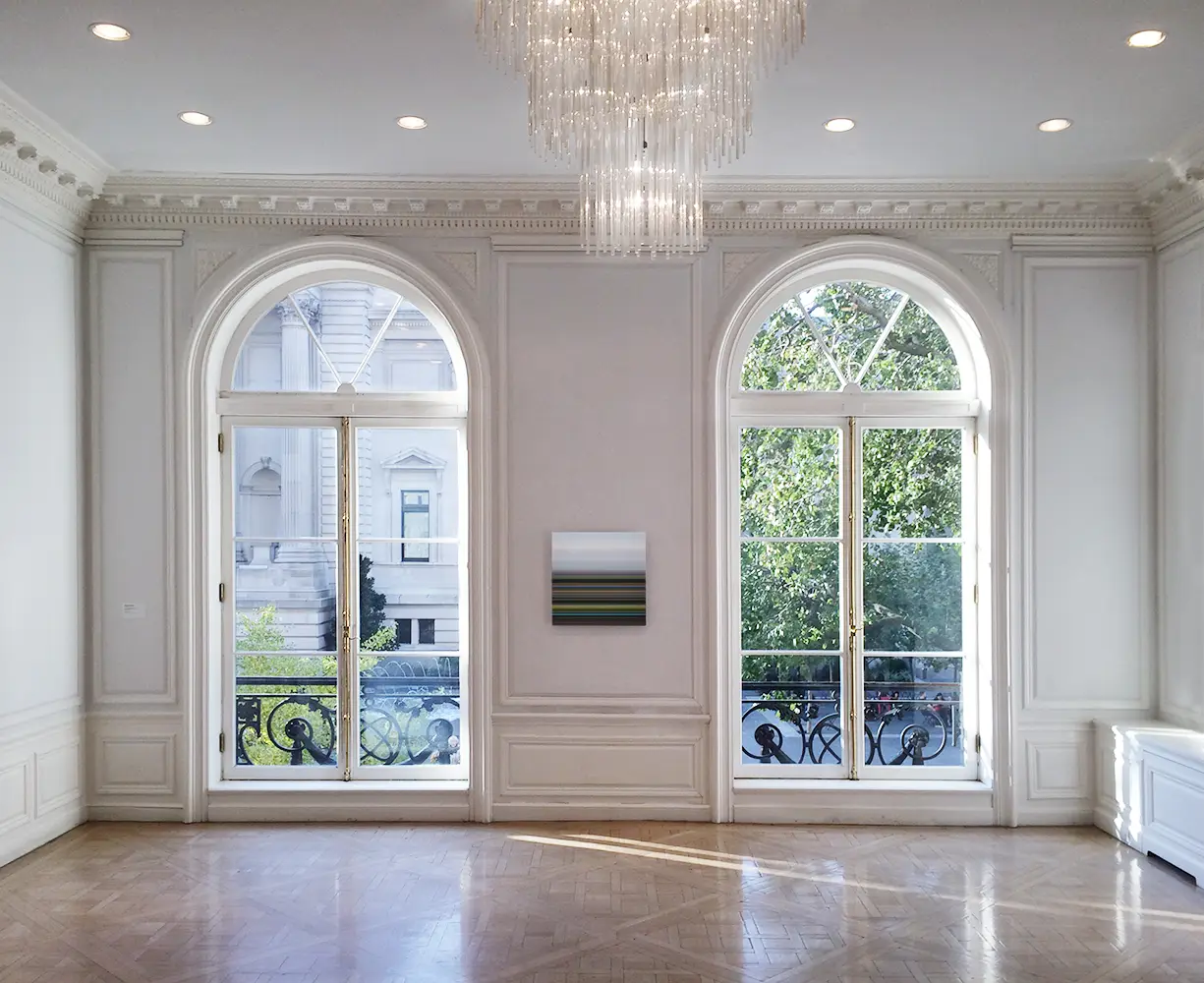
Tall arched double windows with divided panes in a white paneled room. Photo: WesselArtPublic, CC BY-SA 4.0, via Wikimedia Commons.
CSLB license class
C-17 Glazing, B General Building
Where it applies
San Francisco, East Bay, South Bay, Peninsula
Request
Free, up to three local pros reply
Window replacement jobs on Bay Area homes
Same-size replacements in San Francisco
A window replaced in the same size and location is an over-the-counter permit in San Francisco, applied for through the PermitSF portal. SF Planning's guide asks the application to say how many windows, where they are on the building, what the new ones are made of and how they open, and gives a model line: replacement of two second-floor street-facade windows with two new double-hung wood-sash windows. A product sheet from the supplier helps the reviewers.
Skylights
Skylights sit under separate numbers in the Energy Code. BayREN's guide to the 2022 edition capped replacement skylights at a U-factor of 0.55 and a solar heat gain coefficient of 0.30. In San Francisco an in-kind skylight replacement can be applied for online, while a skylight in a new location needs plans. In a fire hazard severity zone, an operable skylight also needs a noncombustible mesh screen with openings no larger than 1/8 inch.
Eichler glass walls
Eichler houses were designed around floor-to-ceiling windows with glass transoms, set in post-and-beam frames and facing atriums and patios. Replacing a wall of that glass runs into two rules at once. Large panes near the floor are hazardous locations that need safety glazing, and once more than 75 square feet of windows is replaced, the 2022 Energy Code guide applied a tighter U-factor than for a smaller job. Ask for the total glass area before comparing bids.
Glass near doors, tubs and stairs
The residential code treats some window positions as hazardous and requires tempered or other safety glazing there: glass within a 24-inch arc of a door edge with its bottom under 60 inches, glass in walls around a tub or shower under 60 inches, and glass beside stairs and at the bottom landing under 36 inches. Contra Costa County also requires the tempering to be marked permanently, by etching, sandblasting or similar, or by a label, so the inspector can confirm it.
Bedroom windows and fall protection
Every sleeping room needs one emergency escape opening, and a new or enlarged bedroom window has to provide at least 5.7 square feet of openable area, or 5.0 near grade, a 20-inch clear width, a 24-inch clear height and a sill no higher than 44 inches. Where an operable window's opening sits more than 72 inches above the ground outside, its lowest opening must be at least 24 inches above the floor, or carry a fall prevention or opening control device. Upper floors and downhill walls on hillside lots are where that second rule comes up.
Enlarging an opening or adding a window
Moving beyond same-size replacement changes the job. San Francisco requires plans and elevations for new windows in new locations or expanded openings. The 2022 Energy Code guide sent a project that adds more than 75 square feet of windows toward a performance calculation if total glass exceeds 20 percent of floor area, or west-facing glass exceeds 5 percent outside climate zones 1, 3, 5 and 16. Opening a wall for a larger window can also mean new structural framing.
The license this work needs
C-17 Glazing
B General Building
Window replacement falls under the CSLB's C-17 Glazing class, which covers cutting and installing glass and fabricating and glazing frames, sashes and doors in any structure. A B General Building contractor can take windows as part of a remodel involving other unrelated trades. San Francisco exempts repair and replacement of glass from permits, so a cracked pane can be small handyman work; replacing the window unit needs a permit and a licensed contractor. Check the number at cslb.ca.gov.
The Energy Code caps a window's solar heat gain coefficient as well as its U-factor, but BayREN's guide to the 2022 edition did not apply the heat gain cap in climate zones 1, 3, 5 and 16. That guide places San Francisco, San Mateo County and coastal parts of Alameda, Contra Costa and Solano counties in that coastal group, so the same window can pass on the coast and fail the limit inland in Climate Zone 4 or 12.
Lead paint on old sash and trim
EPA's Renovation, Repair and Painting rule applies to houses built before 1978, and it makes an exception for small jobs that does not reach windows: window replacement is covered no matter how few square feet of paint it disturbs. A firm doing that work needs EPA's RRP firm credential. SF Planning notes that wood windows were originally installed on most residential buildings built up to World War II, and on a house that old the paint on sash and trim makes a single-window swap as much a covered job as a whole-house one.
Arched and multi-light windows on 1920s tract fronts
SF Planning's survey of the Sunset's Mediterranean Revival tracts records multiple arched window openings, slender arched multi-light casements, turned wood mullions, decorative muntin patterns and fanlight transoms on houses built from the mid-1920s into the 1930s. Stock rectangular units do not fit an arched opening. Where a house is a Category A historic resource, Planning's window standards expect wood casements with horizontal muntins to be replicated and simulated divided lights to use dark-colored spacer bars, so the replacement is shaped to the opening rather than the opening to a stock size.
San Francisco checks history first. On the Property Information Map a building is rated Category A, A*, B or C, and an A* property, a City Landmark or one in a Conservation District, cannot get over-the-counter window approval; it may need an Administrative Certificate of Appropriateness or a Minor Permit to Alter. At the Permit Center the application visits both the Planning counter and the Department of Building Inspection.
Contra Costa County's building inspection division requires a permit for all window replacements and schedules two inspections: a rough frame inspection once the window is in but before stucco or siding covers the flange, and a final. Applicants in a homeowners association also submit the association's approval letter, along with a floor plan showing each existing and proposed window.
Eichler Homes built tracts in Palo Alto, Sunnyvale and San Jose, and parts of Santa Clara County are in Climate Zone 4, where the 2022 guide's solar heat gain cap applied. Replacing an Eichler's glass walls there means choosing glass that meets both the tighter U-factor for large replacements and the heat gain limit, a narrower product list than the same job faces on the coast.
The Highlands in San Mateo, built from 1956 to 1964, is the largest contiguous Eichler development, and San Mateo County falls in Climate Zone 3. Under BayREN's 2022 guide, replacement glass there still had to meet U-factor limits but not the solar heat gain cap, which leaves more room in choosing glass for a west-facing wall of windows.
Permits and rules to know
Window permits and Planning review in San Francisco
SF Planning states that a building permit to replace windows is required for every building in the city, on the front, rear and sides. Windows visible from the street or another public right-of-way get additional Planning review, and the Residential Design Guidelines require some owners to use historically appropriate replacements such as wood sash rather than vinyl or aluminum. Planning warns it will not approve inappropriate windows even if already bought or installed. On Category A buildings its standards also require integral ogee lugs, not snap-on ones, where existing wood windows have ogees.
Fire-zone glazing in Berkeley
Berkeley's windows and doors checklist applies CRC R337.8.2.1 to replacement windows, skylights and glazed exterior doors in its Hillside Fire Zone 2 and Fire Zone 3. Each must be multi-pane glazing with at least one tempered pane, glass block, rated for at least 20 minutes under NFPA 257, or tested to State Fire Marshal Standard 12-7A-2. The same checklist asks for a window schedule listing sizes, types, sill heights, safety glazing, egress windows and U-factors.
Energy Code labels on replacement windows
New and replacement windows, skylights and doors with at least 25 percent glass must meet Energy Code U-factor and solar heat gain limits, shown on the NFRC label the manufacturer attaches, and the inspector needs to see those labels. BayREN's 2022 guide set a maximum U-factor of 0.40 for replacements up to 75 square feet and 0.30 beyond that. Permits filed since January 1, 2026 fall under the 2025 Energy Code, so confirm the current figures.
Before you hire
Check the contractor's C-17 Glazing or B General Building license at cslb.ca.gov before signing.
In San Francisco, confirm what Planning will accept for street-visible windows before any windows are ordered.
Ask for the NFRC label values of each window and whether they meet the Energy Code for your climate zone.
For a house built before 1978, ask for the firm's EPA RRP credential, since window replacement is always covered.
Ask which new panes must be tempered, especially near doors, tubs, stairs and large low glass.
Ask whether every rough opening stays the same size, since enlarging one brings plans, egress and framing questions.
Ask for proof of workers' compensation coverage and their liability insurance certificate.
How a request works
Describe the job
A few sentences and a photo of the problem or the space. It takes about a minute.
Local pros get in touch
Up to three handymen or contractors who take this kind of work may call or text to ask questions and quote.
Check, compare, decide
Look up the license, compare what you hear, and agree the scope and price with the one you pick. Requesting costs nothing.
Questions about window replacement work in the Bay Area
Do back windows that no one sees from the street still need a San Francisco permit?
Yes. SF Planning says window replacement needs a building permit on every building and on every side, front, rear and sides alike. What changes at the back is the level of review: the additional Planning review applies to windows visible from the street or another public right-of-way, so rear windows out of public view generally face fewer design constraints.
Does a replacement bedroom window have to be made bigger to meet egress rules?
Not if the opening stays the same. Contra Costa County's window replacement handout says that when the existing rough opening is not altered or enlarged, the replacement window need not meet the emergency escape size requirements. If the opening is enlarged, the new window must meet them in full, including the 44-inch maximum sill height.
Why does the inspector care about the sticker on our new windows?
That sticker is the NFRC label, and it carries the U-factor and solar heat gain coefficient the manufacturer rated the window at. The Energy Code sets limits on both, and BayREN's guide says the building inspector needs to see the labels to confirm the windows meet state requirements. Leave them on until the final inspection is signed off.
We are replacing only one window in a 1950s house. Do lead-safe rules apply?
Yes. EPA's rule on renovation in houses built before 1978 exempts minor repairs that disturb only small areas of paint, but it states that window replacement is always covered regardless of square footage. The contractor needs EPA's firm credential for renovation work, and should follow lead-safe practices even for a single window.
Will a window permit in Contra Costa County also check our smoke alarms?
It can. The county's window replacement handout lists smoke alarms in every sleeping room, the areas next to sleeping rooms, each story and any basement, with 10-year batteries in battery-powered units, among the general permit requirements. Carbon monoxide alarms are listed too, unless the house has no fuel-burning appliances and a detached garage.
Checked against these public sources in September 2026. Codes and programs change: confirm permit rules with your city's building department and a license on the CSLB website before work starts.