Stucco and siding San Jose

Patching and re-stuccoing San Jose houses, from Hanchett Park to Fairglen

Stucco repair in San Jose is either a patch or a wall taken back to its lath. A patch smaller than 10 square feet of wall needs no permit; past that the city wants one, and since its reclassification as a marine climate, new stucco has to drain behind itself through a gap or a high-drainage barrier. In the pre-war districts, the city's preservation guide would rather see stucco removed from original wood siding than patched over it.

  • Free to request, no obligation to hire
  • Up to five local pros who take this work can reply
  • Rules on this page checked against 13 public sources, October 2026
Hotel Valencia at Santana Row in San Jose
Hotel Valencia at Santana Row in San Jose. Photo: Payton Chung, CC BY 2.0, via Wikimedia Commons.
No-permit patch
Less than 10 square feet of wall area
Climate class for stucco
Marine 3C: drainage gap or 90%-efficient barrier behind it
Counter permits
Like-for-like stucco on a house or duplex outside hazard zones
Coats over metal lath
Three; finish coat no sooner than 7 days after the second

Permits and local rules

City, state and runoff rules behind a San Jose stucco job

  1. San José's permit and its marine-climate barrier

    The city's stucco page sets the permit line at 10 square feet of wall and requires the barrier options its marine classification calls for: two independent layers of 10-minute Grade D paper, a single 60-minute layer with a drainage space, or a 60-minute barrier with at least 90 percent drainage efficiency. It names WeatherSmart and StuccoWrap, from Henry and DuPont Tyvek, among compliant products. Like-for-like work on many house and duplex lots can be permitted at the City Hall counter; hazard zones, Planned Development zoning and open code cases send it to online plan review.

    Source: City of San José Building Division (sanjoseca.gov)

  2. Lath, coats and the lath inspection in the state code

    Section R703.7 of the 2025 California Residential Code requires exterior plaster to follow ASTM C926 and C1063, with corrosion-resistant lath nailed or stapled no more than 7 inches apart along the framing. Where the plaster serves as wall bracing, the lath goes directly onto the framing. Section R109.1.4.2 calls for a lath inspection once the lath is in place and before any plaster is applied, the one moment the barrier, flashing and fasteners can be seen.

    2025 California Residential Code (ICC) (opens in a new tab)
  3. Fresh stucco and the storm drain

    The Santa Clara Valley Urban Runoff Pollution Prevention Program, which San José belongs to, warns that fresh concrete, stucco and cement mortars are toxic to fish, and that putting them into storm drains or creeks is prohibited by law. Its practices for this kind of work are specific: mix no more than will be used in two hours, set small mixers on tarps or heavy plastic, wash equipment out off site or in a lined washout, and keep fresh stucco covered from rain and runoff until it dries.

    Santa Clara Valley Urban Runoff Pollution Prevention Program (opens in a new tab)

State license for this work: C-35 Lathing and Plastering, D-41 Siding and Decking, B General Building. Look up a contractor's license on the CSLB website (cslb.ca.gov).

Free, no obligation. Next, add your details in the request form.

Free request

Describe the stucco and siding job once. Local pros who take work in San Jose reply by call or text.

  • No fee to request, and no obligation to hire
  • You agree scope and price with the pro you choose
  • Photos help them quote without a first visit

Get quotes for stucco and siding work in San Jose

Two short steps. A local pro who takes this work calls or texts you back.

To send a request, call or text (415) 449-8213.

Free to request, and you agree the scope and price with the person you hire before work starts. In California, a job over $1,000 in labor and materials, or one that needs a building permit, must be done by a contractor licensed by the CSLB in the right class. Ask for the license number and check it at cslb.ca.gov.

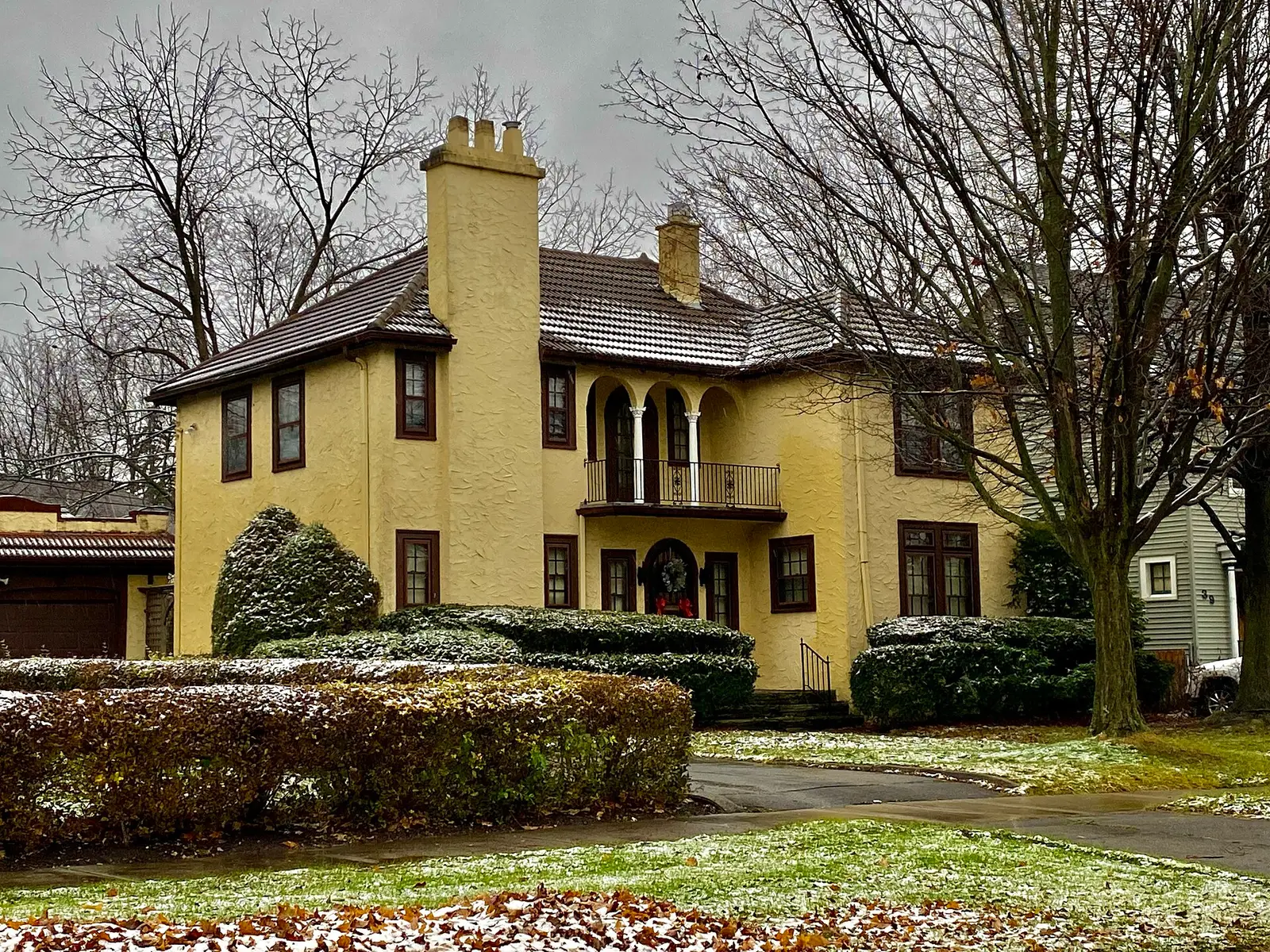
A two-story yellow stucco house with a tile roof and an arched upper porch
A two-story yellow stucco house with a tile roof and an arched upper porch. Photo: Andre Carrotflower, CC BY-SA 4.0, via Wikimedia Commons.

The houses here

Revival-era stucco, stucco over siding, and Eichlers without it

San José's preservation guide, Your Old House, counts wood lap siding, shingles and stucco as the main wall materials on the city's older houses, and it links stucco to the revival styles of about 1920 to 1940, when cheap ways of putting stucco on a wood-framed house helped them spread. Its style notes give Mission Revival a smooth stucco finish, Spanish Colonial Revival flat walls in smooth or textured stucco with tile or terra-cotta set into them, and some Prairie bungalows a brick wainscot under stucco. Stucco also went on later over older wood siding. The post-war Eichlers took the other road: Fairglen's walls were grooved redwood plywood, and the city's 2025 standards keep stucco off them.

Part by part

San Jose districts where stucco work is weighed differently

  • Hanchett and Hester Park

    Laid out by John McLaren, this conservation area's houses date from about 1906 to 1935 and include Spanish Mission Colonial Revival and Prairie designs. Those are the styles with smooth stucco and brick-and-stucco walls in the city's guide. A house here on the Historic Resources Inventory needs Planning clearance before San José will issue a stucco permit.

  • Naglee Park

    Subdivided in 1902, Naglee Park mixes bungalows with Spanish Colonial Revival houses, many architect-designed. On that style the guide lists tile or low-relief terra-cotta set into the stucco and patios walled in stucco, so a repair is often a patch worked around ornament, not a flat skim across a plain wall.

  • Schiele Subdivision and Alameda Park

    Built out between 1889 and 1941, this is a City Landmark District, so exterior work needs a Historic Preservation Permit and must meet the Secretary of the Interior's Standards. Repairs that replace deteriorated stucco in kind, without changing the outward appearance, count as ordinary maintenance and need no HP Permit.

  • Fairglen Additions

    San José's 2025 Eichler standards prohibit stucco as a replacement for original cladding and on additions and accessory structures. A new house built in the tract is the one place stucco is allowed, and only smooth-finished; textured stucco is on the prohibited list.

The work

From a cracked corner to a wall back at the lath

  1. A crack or hole below the permit line

    San José exempts small stucco repairs of less than 10 square feet of wall area from a building permit. The usual candidates are the ones the Stucco Manufacturers Association calls reasonable to expect, as quoted in Sika's technical bulletin on stucco cracks: minor cracking at the corners of doors, windows and other stress points. On a Spanish Colonial Revival wall the patch also has to match a finish the guide says can be smooth or textured.

  2. Taking a wall back to the lath

    A re-stucco is a building permit, and the city's application wants a floor plan drawn at 1/4 inch to the foot on a sheet of at least 18 by 24 inches, showing the whole exterior perimeter, every window, door and opening, the rooms behind the affected walls, and where the stucco work will be. The project may also owe a refundable Construction and Demolition Diversion Deposit. The permit card then lists the inspections, and the inspector needs access to every wall, ladder included.

  3. Building up the coats

    Over metal or wire lath, the California Residential Code requires at least three coats; over masonry or concrete, two. Each coat is kept moist for at least 48 hours before the next, the second coat waits 48 hours after the first, and the finish coat waits at least seven days after the second. Sika's bulletin lists skipping the 48 hours of moist curing among the common causes of cracking, along with putting the finish coat on before the base coat has cured.

  4. Stucco laid over original wood siding

    Your Old House treats stucco on a historic house's original siding as a covering to undo: guideline 3.11 encourages its removal. It suggests first sampling below the stucco in an inconspicuous spot with a medium-diameter bi-metal hole saw, to confirm the siding is there and see its condition. Two warnings follow. Siding that was scarified to help the stucco bond is often too damaged to repair once exposed, and stucco applied directly on wood siding may itself be causing moisture damage.

  5. Cracks that keep opening

    Not every crack is cosmetic. Sika's bulletin names building settlement and movement, excessive loads, framing members that twist and bow as they dry, and walls that fail the deflection limit as sources of stress that break stucco where it is weakest. Where cracks raise questions, Sika recommends engaging a qualified engineering firm. A crack that widens after it is patched is the one to have looked at before more plaster goes over it.

Before you hire

Before a San Jose plasterer opens the wall

  • Ask which of San José's three barrier options the bid uses and which product, since the city names WeatherSmart and StuccoWrap as compliant.
  • If the house is on the Historic Resources Inventory, ask who will get the Planning clearance the stucco permit depends on.
  • On a pre-war house, ask for a sample hole before bidding, to see whether original siding survives under the stucco.
  • Ask how each coat will be kept moist for its first 48 hours in summer heat.
  • Ask where the mixer will sit and where tools will be washed out, so nothing reaches the gutter.

Timing

Dry weeks for curing, and an hour at the permit counter

The runoff program's advice is to schedule this kind of work in dry weather, with time for it to cure before rain, and the code's curing intervals mean a three-coat wall spans at least nine days from first coat to finish. Heat matters too: Sika's bulletin traces hairline checking in the finish coat to rapid drying, most often on hot, windy days. For a counter permit, San José asks applicants to allow at least an hour and arrive before 3:00 p.m., after which no tickets are issued; plans can be uploaded ahead of the visit.

Free, no obligation. Next, add your details in the request form.

Questions

Stucco questions from San Jose homeowners

Do I need a permit to fix a small stucco crack in San Jose?

Not if the repair covers less than 10 square feet of wall area; San José exempts small stucco repairs of that size. Anything larger, or a replacement of the stucco on a wall, needs a building permit, and new stucco must meet the city's marine-climate barrier rules. If the house is on the Historic Resources Inventory, ask Planning before starting even a larger repair.

Should we remove the stucco from our 1910s house to get back to the wood siding?

San José's preservation guide encourages it where stucco covers original siding, but it says to test first. Cut a sample in an inconspicuous spot with a bi-metal hole saw to see whether the siding survives. Siding roughened to hold the stucco may be too damaged to repair once uncovered, while stucco laid straight onto wood can be the cause of moisture damage, which can make removal worthwhile as maintenance.

Can we stucco over the plywood siding on our Fairglen Eichler, or use stucco on an addition?

No to both. San José's Eichler standards prohibit stucco as a replacement for original cladding and list it among materials barred from additions and accessory structures. Original siding beyond repair is replaced in kind, matching its material, profile and texture. Smooth-finished stucco is allowed only on new infill houses in the tract, and textured stucco not at all.

Can leftover stucco go in the garbage?

Small amounts of dry excess can, according to the Santa Clara Valley runoff program. What cannot happen is washing wet stucco, mixer rinse or slurry into the street, a gutter or a storm drain, which the program says is prohibited by law. Its advice is to mix only what will be used within two hours and to wash tools out off site or in a lined washout.

Are hairline cracks in new stucco a sign of a bad job?

Not necessarily. Sika's technical bulletin quotes the Northwest Wall and Ceiling Bureau saying stucco is susceptible to the occasional crack however good the installation, and traces finish-coat checking to rapid drying on hot, windy days. A crack that keeps widening is different: the bulletin points to settlement, framing movement and loads, and suggests a qualified engineering firm.

Why does the inspector need to see the wall before the stucco goes on?

Because the layers that keep water out disappear under the first coat. The California Residential Code calls for a lath inspection after the lath is in place and before any plaster is applied, and San José's permit card lists the inspections the job needs. That visit is the only time the barrier laps, flashing and lath fastening can be checked.


Where these facts come from

Checked against these public sources in October 2026. Rules and programs change: confirm permit requirements with the city before work starts, and a contractor's license on the CSLB website.

Stucco and siding work in San Jose? Tell us what you see.

One request reaches local handymen and contractors who take this work. The Handyman SF connects you with them; it does not do the work.

HandymanNow for handymen Work in San Jose? Get job leads by text. Pick your trades and areas, take only the jobs you want. No subscription. Start getting leads HandymanNow for homeowners Get the HandymanNow app. Send a request with photos, message your handyman and follow them on the way. Download the app

HandymanNow app

Fix it faster. Find work faster.

Homeowners send a job with photos and follow their handyman on the map. Handymen get local jobs by text and take only the ones they want.

Call WhatsApp (opens WhatsApp) Free quote