Carpentry San Jose

Wood repairs on San Jose houses, from Hensley porches to Fairglen beam ends

Carpentry in San Jose splits along the city's historic map. In Hensley, Naglee Park and the other pre-war districts, the city's guidelines favor repairing rotted porch parts, siding and trim over replacing them, and an in-kind repair on a City Landmark needs no Historic Preservation permit. In Fairglen Additions, the Eichler standards keep exposed beam ends and wood fascia. Across the city, cosmetic carpentry needs no building permit; altering a wall or making any structural change does.

No-permit carpentry
Cabinets, finish work, floor sheathing repairs up to 10 sq ft
Landmark repair in kind
No HP Permit when the outward appearance stays the same
Fairglen Eichler beams
Kept and repaired; spliced or replaced in kind if beyond repair
Old-house repair guide
Your Old House: Guide for Preserving San José Homes (2003)
  • Free to request, no obligation to hire
  • Up to five local pros who take this work can reply
  • Rules on this page checked against 8 public sources, October 2026
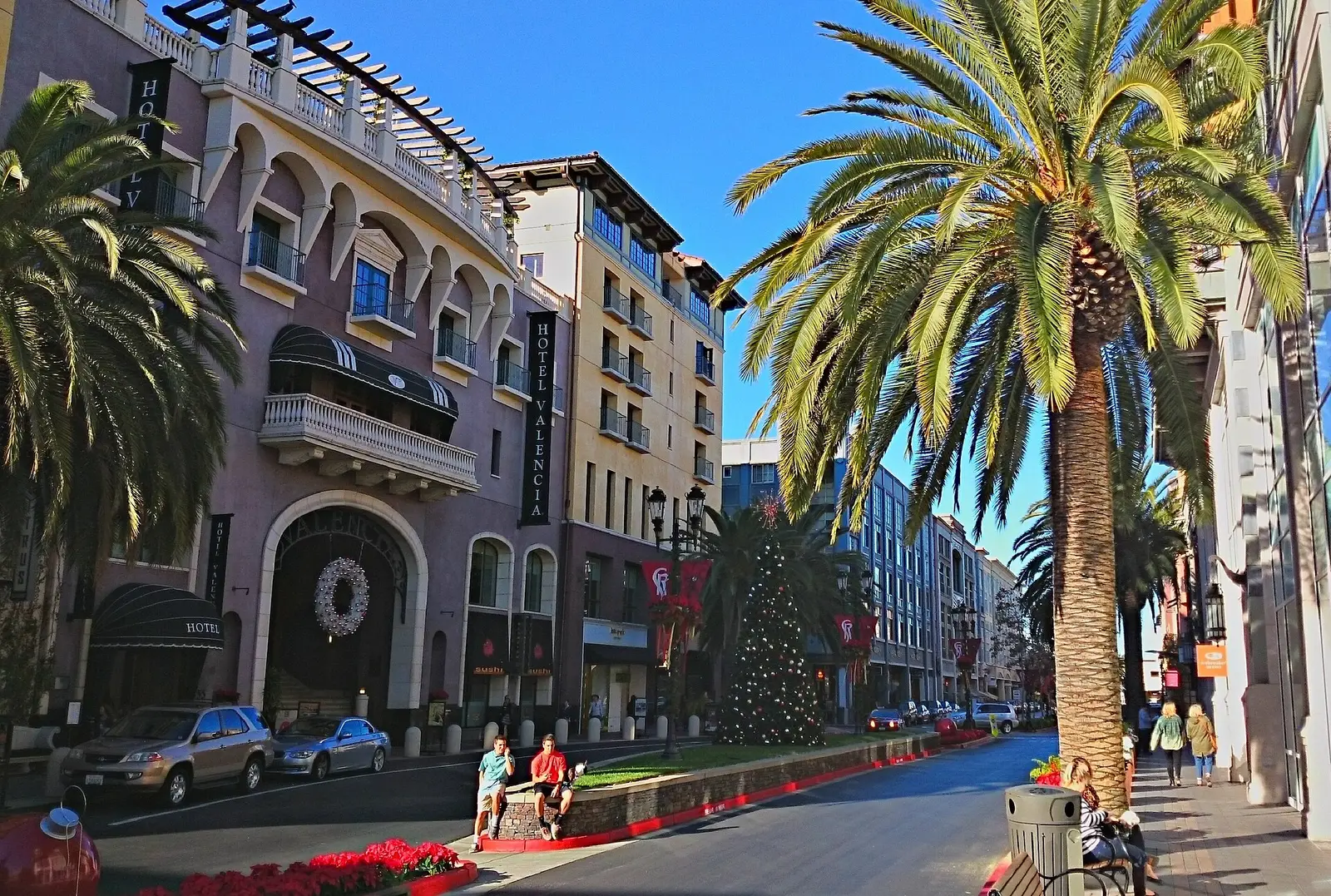
Hotel Valencia at Santana Row in San Jose
Hotel Valencia at Santana Row in San Jose. Photo: Payton Chung, CC BY 2.0, via Wikimedia Commons.

Permits and local rules

The San José documents that decide a wood repair

  1. Cosmetic work, and the 10-square-foot line

    The Building Division's page on when a permit is required lists cabinet refacing or replacement, floor finishes and floor sheathing repairs up to 10 square feet as cosmetic improvements with no building permit, and Municipal Code 24.02.120 exempts painting, papering, tiling, carpeting, cabinets, counter tops and similar finish work. The same page requires a building permit for new construction, additions, alteration of walls or any structural change. Separate plumbing, electrical and mechanical permits still apply to exempt work.

    Source: City of San José Building Division (sanjoseca.gov)

  2. City Landmarks: repair in kind, or a permit adjustment

    For a City Landmark or a house in a City Landmark District, Municipal Code 13.48.210 requires a Historic Preservation Permit, with work held to the Secretary of the Interior's Standards for Rehabilitation. Ordinary maintenance, including repairs that replace deteriorated elements in kind without changing the outward appearance, needs no HP Permit. Changes to doors, windows and trim, and replacing an exterior stair or deck, go through an HP Permit Adjustment, which planning staff process without a public hearing.

    Source: City of San José Planning Division (sanjoseca.gov)

  3. The Eichler standards, and when they apply

    San José's Eichler Neighborhoods Objective Design Standards, dated August 2025, apply to Eichler tracts on the Historic Resources Inventory, which today means Fairglen Additions, listed on the National Register in 2019. They come into play only when an owner proposes exterior work needing a building permit or a Single-Family House Permit, and they do not require anyone to change a house otherwise. Contributing houses there count as qualified historical properties under the California Historical Building Code, whose use the Building Official decides.

    Source: City of San José Planning Division (sanjoseca.gov)

State license for this work: C-6 Cabinet, Millwork and Finish Carpentry, C-5 Framing and Rough Carpentry, B General Building. Look up a contractor's license on the CSLB website (cslb.ca.gov).

Free, no obligation. Next, add your details in the request form.

The work

Where the wood gives out, and how San Jose wants it fixed

  1. Rotted beam ends on an Eichler

    Eichler beams extend past the walls, so their exposed ends take the weather. San José's Eichler standards say beam ends, overhanging eaves, tongue-and-groove roof decking and wood fascia boards are to be kept and repaired. A wood preservative may be applied, and thin metal caps are allowed if they fit tight and are painted the beam's color. Where an end is beyond repair, it is replaced in kind, spliced with a new wood end of the same form and finish, or rebuilt in a durable material that looks like wood.

  2. Patching grooved plywood siding

    Siding on San Jose's Eichlers was vertical-groove plywood, first finished with an opaque stain. The standards ask for original siding to be patched and repaired with the repairs blended into the surrounding wall, and for a panel beyond repair to be matched in kind: material, scale, profile, finish and orientation. Replacing it with stucco, stone, brick, a synthetic product, or shingles on a model that never had them, is prohibited, and so is covering the original wood fascia with aluminum or vinyl.

  3. Porch posts, rails and steps on a pre-war house

    The city's guide for older homes calls repairing porch elements, rather than replacing them, always the preferred approach. It suggests restoring wood steps where earlier owners poured concrete, and, if termites are the worry, making only the bottom step concrete. Where the code calls for a porch railing lower than 36 inches to be raised, the guide's answer is a smaller railing mounted above the historic one, so the historic railing stays.

  4. Window sills and trim that have softened

    Your Old House singles out horizontal surfaces such as window sills as the details most exposed to weather and the first to deteriorate. Its repair list is patching, piecing in, splicing or consolidating the existing wood with recognized preservation methods, and it allows epoxies and resins for isolated damage. Removing a feature that can be repaired is listed as inappropriate, which matters when the bid simply says replace.

  5. A soft subfloor at the toilet

    A leak at a toilet can rot the plywood under it. San José's permit page lists floor sheathing repairs of up to 10 square feet among the cosmetic jobs that need no building permit, and the Municipal Code lets the toilet come out and go back without a plumbing permit, as long as no valves, pipes or fixtures are replaced or rearranged. A larger patch, or one that reaches the joists, is permit work.

Free request

Describe the carpentry job once. Local pros who take work in San Jose reply by call or text.

  • No fee to request, and no obligation to hire
  • You agree scope and price with the pro you choose
  • Photos help them quote without a first visit

Get quotes for carpentry work in San Jose

Two short steps. A local pro who takes this work calls or texts you back.

To send a request, call or text (415) 449-8213.

Free to request, and you agree the scope and price with the person you hire before work starts. In California, a job over $1,000 in labor and materials, or one that needs a building permit, must be done by a contractor licensed by the CSLB in the right class. Ask for the license number and check it at cslb.ca.gov.

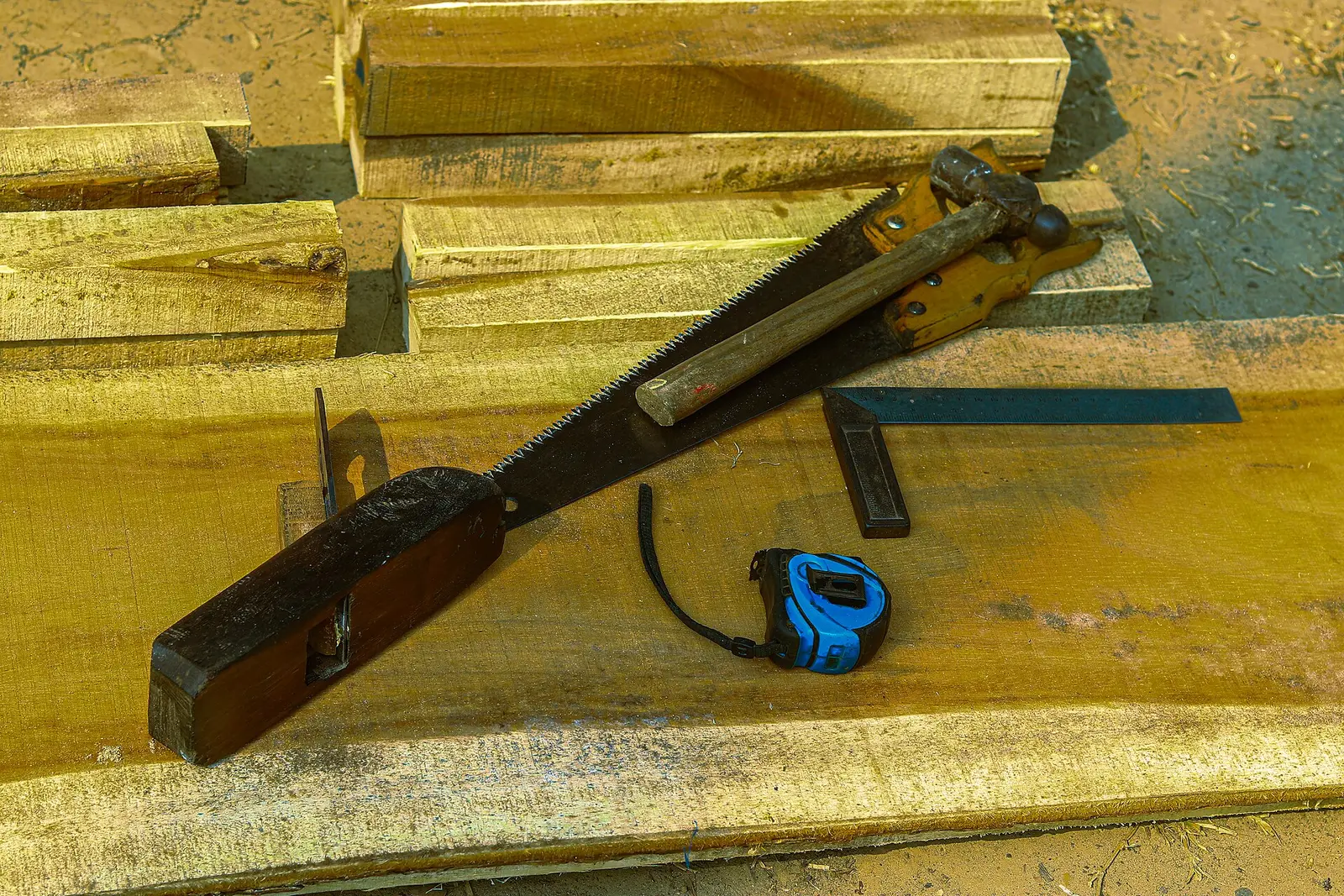
A hand plane, a saw, a hammer, a steel square and a tape measure lying on rough timber planks
A hand plane, a saw, a hammer, a steel square and a tape measure lying on rough timber planks. Photo: A S M Jobaer, CC BY-SA 4.0, via Wikimedia Commons.

The houses here

Victorian cottages, early bungalows and post-and-beam Eichlers

San Jose's oldest wood houses cluster near downtown. The Hensley district holds the city's largest concentration of Victorian-era homes, most built between 1880 and 1900 in Italianate, Stick-Eastlake and Queen Anne styles, and the Lakehouse district is mostly single-story Queen Anne cottages from 1885 to 1925. Naglee Park, subdivided in 1902, adds bungalows and Spanish Colonial Revival houses, some on porches of Greystone quarry sandstone. The city's guide for older homes says wood lap siding, shingles and stucco were the predominant materials. The Eichlers came after the war: post-and-beam frames on concrete slabs, exposed rafter tails under wide eaves, and vertical-groove plywood siding finished with an opaque stain. Fairglen Additions, built from 1959 to 1961, is the only Eichler neighborhood on the city's historic inventory.

Part by part

Four San Jose districts where a wood repair is reviewed differently

  • Hensley City Landmark District

    Between Second and Sixth Streets north of Julian, larger Victorians line N. Third Street and workingmen's cottages line N. Fifth. Brackets, porch posts and trim here are character features, so an in-kind repair passes without an HP Permit, while a changed profile or a replaced exterior stair goes to an HP Permit Adjustment.

  • Lakehouse City Landmark District

    Along Los Gatos Creek south of W. San Fernando Street, the district is mostly one-story Queen Anne houses built from 1885 to 1925. As a City Landmark District it carries the same HP Permit rule, so porch and trim work should be planned as repair in kind from the start.

  • Naglee Park Conservation Area

    A Conservation Area is not a landmark district: exterior projects on a house here go through a Single-Family House Permit, reviewed against Your Old House. Some porches and foundations are Greystone sandstone, so a rotted post base is a carpentry job with a stone neighbor to protect.

  • Fairglen Additions

    San Jose's only Eichler neighborhood on the historic inventory, built in three units from 1959 to 1961. Exposed beam ends, tongue-and-groove roof decking, wide wood fascia and grooved plywood siding are the parts the city's standards ask owners to keep.

Questions

San Jose wood-repair questions, answered from city documents

Does an in-kind trim repair on a Hensley Victorian need a Historic Preservation permit?

No, as long as it is ordinary maintenance. The Planning Division says repairs that replace deteriorated elements in kind, without changing the building's external appearance, need no HP Permit. If the trim profile changes, or an exterior stair or deck is replaced, the work goes through an HP Permit Adjustment, handled by planning staff without a hearing.

Can we put metal caps on the exposed beam ends of our Fairglen Eichler?

Yes, within limits. The city's Eichler standards allow thin metal caps on the tops of exposed beams if they are installed tight to the beam and painted the beam's color, and they allow a wood preservative on beam ends. Boxing the beam ends in, or wrapping the original wood fascia in aluminum or vinyl, is prohibited.

The plywood under our toilet is soft. Does fixing it need a permit in San Jose?

Not if the patch is small. San José lists floor sheathing repairs of up to 10 square feet as cosmetic work with no building permit. Pulling and resetting the toilet needs no plumbing permit either, provided no valves, pipes or fixtures are replaced or rearranged. Once the rot runs into the joists, it is a structural change and needs a permit.

Our porch steps were rebuilt in concrete years ago. Can they go back to wood?

The city's guide for older homes encourages it, suggesting owners consider restoring concrete steps to their original wood. Its compromise for termite worries is to make only the bottom step concrete and keep the rest of the stair in wood. On a listed house, the change goes through the review that applies to its classification.

Do the Eichler standards make me fix up my house now?

No. San José's standards apply only when an owner proposes exterior work that needs a building permit or a Single-Family House Permit, and they say outright that they do not require anyone to bring an existing house into line otherwise. Today they reach only Fairglen Additions, the one Eichler neighborhood on the Historic Resources Inventory.

Free, no obligation. Next, add your details in the request form.

Before you hire

Questions for a San Jose carpenter before the wood comes off

  • Is the house on the Historic Resources Inventory? The city's GIS map shows its classification, which decides whether repair in kind, a permit adjustment or a house permit applies.
  • On a Fairglen Eichler, will rotted beam ends be spliced or replaced in kind, and will the fascia stay wood?
  • On a pre-war porch, which parts can be pieced in or consolidated with epoxy instead of replaced?
  • If the subfloor patch grows past 10 square feet once the floor is open, who applies for the building permit?
  • Is the firm certified by EPA for renovation, and how will painted trim and stair parts be tested for lead?

Where these facts come from

Checked against these public sources in October 2026. Rules and programs change: confirm permit requirements with the city before work starts, and a contractor's license on the CSLB website.

  • sanjoseca.gov: when is a building permit required (sanjoseca.gov)
  • library.municode.com: code of ordinances
  • sanjoseca.gov: permits for projects with historic resources (sanjoseca.gov)
  • sanjoseca.gov: historic areas districts (sanjoseca.gov)
  • sanjoseca.gov: 638913000651930000 (sanjoseca.gov)
  • sanjoseca.gov: 636689792742770000 (sanjoseca.gov)
  • sanjoseca.gov: your old house (sanjoseca.gov)
  • ecfr.gov: section 745 (ecfr.gov)

Carpentry work in San Jose? Tell us what you see.

One request reaches local handymen and contractors who take this work. The Handyman SF connects you with them; it does not do the work.

HandymanNow for handymen Work in San Jose? Get job leads by text. Pick your trades and areas, take only the jobs you want. No subscription. Start getting leads HandymanNow for homeowners Get the HandymanNow app. Send a request with photos, message your handyman and follow them on the way. Download the app

HandymanNow app

Fix it faster. Find work faster.

Homeowners send a job with photos and follow their handyman on the map. Handymen get local jobs by text and take only the ones they want.

Call WhatsApp (opens WhatsApp) Free quote