EV chargers and panel upgrades San Jose

Home chargers in San Jose, from SJPermits cards to condo association letters

A Level 2 charger at a San Jose house or duplex is an online electrical permit through SJPermits.org, and at inspection the city asks for the charger's UL listing, the panel rating, the charging load and the circuit size. Condo and apartment garages add state law: under Civil Code 4745 an association's silence becomes approval after 60 days, and Civil Code 1947.6 requires most landlords to approve a tenant's written request.

  • Free to request, no obligation to hire
  • Up to five local pros who take this work can reply
  • Rules on this page checked against 15 public sources, October 2026
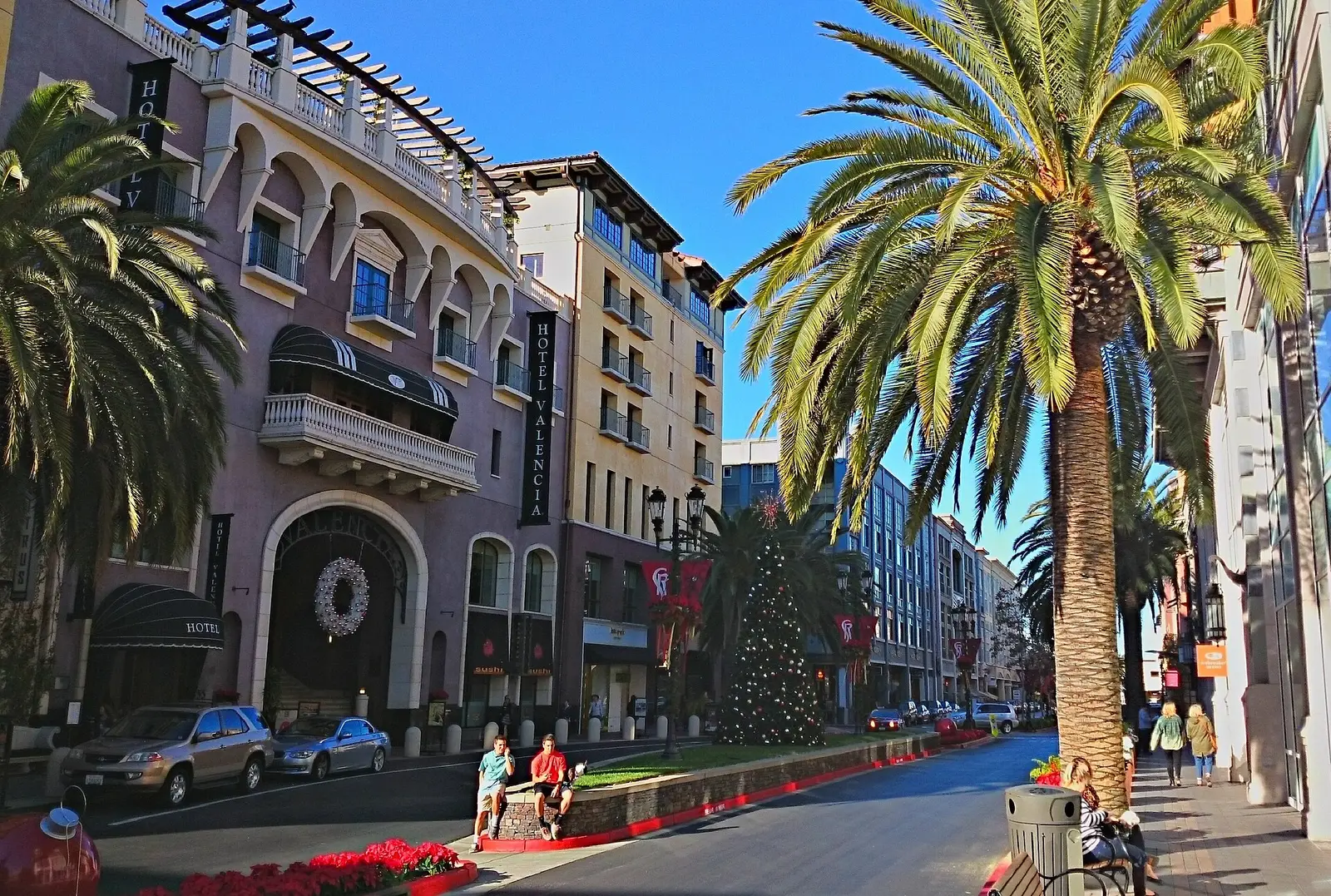
Hotel Valencia at Santana Row in San Jose
Hotel Valencia at Santana Row in San Jose. Photo: Payton Chung, CC BY 2.0, via Wikimedia Commons.

How EV charger work goes in San Jose

City and state rules a San Jose charger bid should match

  1. Chapter 17.88, the expedited charger permit

    San Jose adopted this chapter to give chargers the streamlined permit that state law requires. The building official issues a nondiscretionary permit for a complete application that meets the city's checklist, sends a written correction notice listing every deficiency when it is incomplete, and may require a use permit only on substantial evidence of a specific, adverse impact on public health or safety, a decision that can be appealed to the Planning Commission. Chargers must meet the electrical code and standards from bodies such as SAE, NEMA and Underwriters Laboratories.

    San José Municipal Code, Chapter 17.88 (opens in a new tab)
  2. What the inspector asks for on a Level 2 unit

    Have the listing number ready: the city asks for the UL number, or that of another nationally recognized testing laboratory, showing compliance with UL 2202. The inspector also wants the rating of the existing service, the charger's load and its circuit size, the location of the utility panel and the charger, placed according to the maker's written guidelines, and whether a second meter is planned. Level 3 and Level 4 chargers are not allowed on residential properties.

    Source: City of San José, EV Charging Stations (sanjoseca.gov)

  3. Civil Code 4745: the association's side

    A rule that effectively prohibits or unreasonably restricts a charger in an owner's unit or designated parking space is void, though restrictions that do not significantly raise the cost or cut the efficiency are allowed. Where the charger goes in a common area or exclusive use common area, the association must approve it if the owner agrees in writing to its architectural standards, hires a licensed contractor, pays for installation and electricity, and keeps liability coverage, sending the certificate within 14 days of approval.

    Source: California Civil Code Section 4745 (leginfo.legislature.ca.gov)

  4. Civil Code 1947.6: tenants and parking spaces

    For a lease made, extended or renewed since July 1, 2015, a landlord must approve a tenant's written request for a charger at the tenant's allotted space if the request meets the statute and the landlord's approval process. The duty does not apply where chargers already serve at least 10 percent of designated spaces, where parking is not part of the lease, or where there are fewer than five spaces. The tenant pays for the installation and the electricity.

    Source: California Civil Code Section 1947.6 (leginfo.legislature.ca.gov)

State license for this work: C-10 Electrical. Look up a contractor's license on the CSLB website (cslb.ca.gov).
Free request

Describe the EV charger job once. Local pros who take work in San Jose reply by call or text.

  • No fee to request, and no obligation to hire
  • You agree scope and price with the pro you choose
  • Photos help them quote without a first visit

Get quotes for EV charger work in San Jose

Two short steps. A local pro who takes this work calls or texts you back.

To send a request, call or text (415) 449-8213.

Free to request, and you agree the scope and price with the person you hire before work starts. In California, a job over $1,000 in labor and materials, or one that needs a building permit, must be done by a contractor licensed by the CSLB in the right class. Ask for the license number and check it at cslb.ca.gov.

Free, no obligation. Next, add your details in the request form.

The work

Charger installs the San Jose permit desk sees most

  • A Level 2 charger at a house or duplex

    For a single-family or duplex property, the city issues the charger permit online: the applicant goes through SJPermits.org's application wizard, pays, and downloads a permit card listing the required inspections, which must stay on site. The city recommends that the applicant be a licensed contractor, since whoever signs the application is responsible for the work under it. At inspection, the plans and the charger maker's instructions need to be on hand, with access to every part of the work.

  • A charger in a condo's assigned space

    San Jose lets a multifamily property use the online permit only for a Level 2 charger in an assigned parking space. Any other location is handled like a commercial installation, with plans through Standard Plan Review and a check against the accessibility rules for charging stations. Where the wiring passes through fire-rated walls or floors, the inspector asks for the rated penetration details. Before any of that, Civil Code 4745 governs the association's approval, which it must handle like an architectural change and give in writing.

  • Sharing an outlet or managing the load

    Not every charger needs a new circuit. San José Clean Energy notes that an existing 240-volt outlet used by another appliance near the parking spot can take a smart splitter, which pauses charging while the appliance runs and resumes afterward, and it suggests asking the electrical contractor whether one suits the house. For larger multifamily installations, the city counts the load an automatic load management system permits, rather than every charger at full output, as the maximum on a service or feeder.

  • Replacing a charger that has failed

    Under Municipal Code Section 17.88.400, routine operation and maintenance and like-kind replacements of a charging station need no permit. Physical changes that materially alter the size, type or components of the station bring it back under the chapter, so moving up to a more powerful unit on a larger circuit is best treated as new permitted work rather than a swap.

  • A second meter for an EV rate

    The city's permit asks whether a second electric meter will be installed for a special EV charging rate. In a condo, Civil Code 4745.1 covers that meter as well: an association may not effectively prohibit or unreasonably restrict an EV-dedicated time-of-use meter, which the electric utility supplies and installs, and the owner may need a licensed contractor for the wiring or conduit between that meter and the charger.

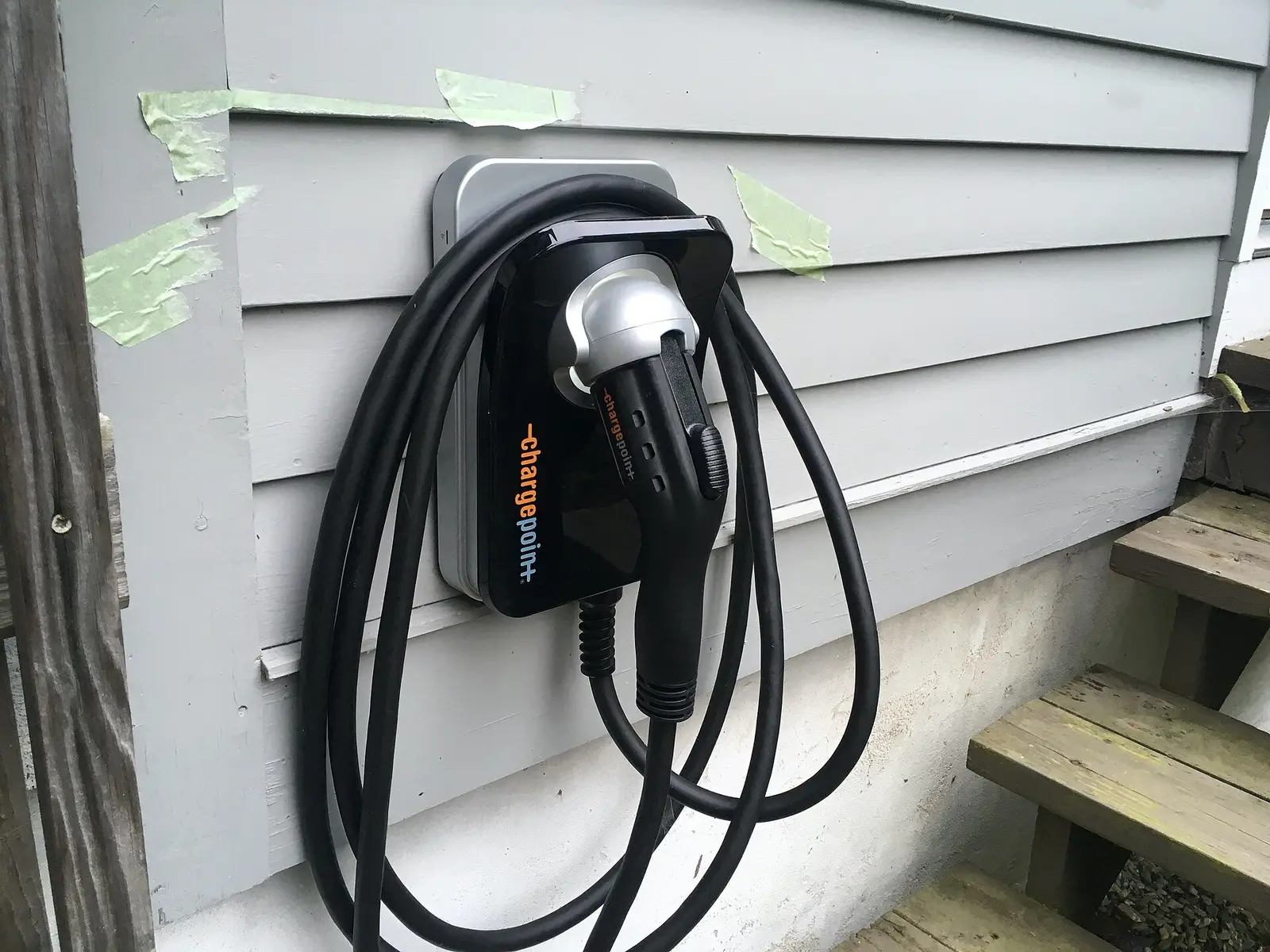
A wall-mounted electric car charger with its cable coiled, installed on a house's siding
A wall-mounted electric car charger with its cable coiled, installed on a house's siding. Photo: Ken Fields, CC BY-SA 2.0, via Wikimedia Commons.

The houses here

Tract-house garages, condo parking and the newest EV Ready buildings

Two kinds of parking shape most San Jose charger jobs. The single-family tracts built during the 1950s and 1960s annexations have private garages and driveways, where the city's online permit applies and the decisions sit between the owner, the electrician and the panel. By 2006, multifamily buildings made up 60 percent of the housing built in the city since 1980, and in them the space may be deeded, assigned or shared, the wall may belong to an association, and the city sends any charger outside an assigned space to plan review. The newest buildings are different again: multifamily projects whose permit applications were filed from July 1, 2024 must make parking for every dwelling EV Ready at low-power Level 2.

Before you hire

Before a San Jose electrician opens the panel

  • Ask whether the job fits the online permit; a charger outside an assigned multifamily space goes to plan review instead.
  • Ask for the charger's UL 2202 listing number in writing, since the city inspector will ask for it.
  • If an appliance's 240-volt outlet sits near the parking spot, ask whether a smart splitter could avoid a new circuit.
  • In a condo, ask what the association's application needs, and plan for the liability coverage certificate due within 14 days of approval.
  • Confirm the C-10 Electrical license at cslb.ca.gov and that the contractor signs the permit application, since the signer is responsible for the work.

Timing

Reserve a San José Clean Energy rebate before the work starts

San José Clean Energy's EcoHome Rebate includes an add-on for prewiring a 240-volt, 40-amp EV circuit, but only alongside a heat pump water heater or heat pump HVAC system that replaces a gas appliance, and the funds must be reserved before any work begins. A reservation lasts 120 days, and the claim needs an itemized invoice, photos of the circuit and proof of the permit. A charger itself is not required for the circuit add-on, so the wiring can come first and the car later.

Free, no obligation. Next, add your details in the request form.

Questions

Charger questions San Jose owners and renters ask

Our San Jose condo association has not answered our charger request. What happens now?

The clock is on your side. Civil Code 4745 requires the association to process the request like an architectural modification, decide in writing and not willfully avoid or delay it. An application not denied in writing within 60 days of receipt is deemed approved, unless the delay comes from a reasonable request for more information. An association that willfully violates the section is liable for actual damages and a civil penalty.

We rent in an older San Jose apartment building under rent control. Can the landlord refuse a charger?

Often not. Civil Code 1947.6 once excluded rent-controlled dwellings, but that exception does not apply to a lease executed, extended or renewed on or after January 1, 2019. San Jose's Apartment Rent Ordinance covers buildings of three or more units built and occupied before September 7, 1979. The other exceptions still apply, such as parking not included in the lease or fewer than five spaces, and the tenant pays for the work.

Does replacing a broken wall charger need a new San Jose permit?

Not if the new unit is like for like. Section 17.88.400 of the Municipal Code says routine operation, maintenance and like-kind replacements of a charging station need no permit. A change that materially alters the size, type or components of the station falls back under the chapter, so a bigger unit on a larger circuit should go through the online permit.

Will switching to an EV rate mean leaving San José Clean Energy?

No. SJCE says its EV rate schedules, EV-A, EV2-A and EV-B, mirror PG&E's, and a customer already on a PG&E EV plan keeps those rates with SJCE. PG&E still installs the meter, which is why the city's charger permit asks whether a second one is planned. SJCE also runs EV Managed Charging through its Peak Rewards program and a Midday Charging Bonus for charging between 9 a.m. and 2 p.m.

Does San Jose's reach code make us add a charger to our existing house?

No. The city's reach code summary applies to newly constructed buildings whose permit application was made on or after July 1, 2024. For those, it calls for one EV Ready space at a new house larger than 1,200 square feet, one at a detached ADU where parking is provided, and EV Ready parking for every dwelling in new multifamily buildings. An existing house gets a charger only when its owner decides to add one.

Are there programs that help pay for a home charger in San Jose?

Some, and they change, so check before buying. San José Clean Energy's EV page points to PG&E's Residential EV Charging Program, which offers a partial rebate on eligible chargers after installation and fuller support, paid to the contractor, for income-eligible households that may include a panel upgrade. SJCE's Multifamily EV Charger Assistance Program for properties of four or more units was fully allocated in 2026, with applications from March 11 on a waitlist.

Where these facts come from

Checked against these public sources in October 2026. Rules and programs change: confirm permit requirements with the city before work starts, and a contractor's license on the CSLB website.

EV charger work in San Jose? Tell us what you see.

One request reaches local handymen and contractors who take this work. The Handyman SF connects you with them; it does not do the work.

HandymanNow for handymen Work in San Jose? Get job leads by text. Pick your trades and areas, take only the jobs you want. No subscription. Start getting leads HandymanNow for homeowners Get the HandymanNow app. Send a request with photos, message your handyman and follow them on the way. Download the app

HandymanNow app

Fix it faster. Find work faster.

Homeowners send a job with photos and follow their handyman on the map. Handymen get local jobs by text and take only the ones they want.

Call WhatsApp (opens WhatsApp) Free quote