Drywall and plaster San Jose

Wall patches in San Jose's prewar plaster houses and postwar tracts

Most wall patching in San Jose needs no building permit, because the city counts sheetrock and taped joints as cosmetic work. The one exception is fire-rated sheetrock, and that usually means the garage wall of a postwar tract house. Nearer downtown the walls are older: plaster in the Victorian blocks of the Hensley district and the early-1900s houses of Naglee Park, where the job is mending what is there rather than hanging new board.

  • Free to request, no obligation to hire
  • Up to five local pros who take this work can reply
  • Rules on this page checked against 14 public sources, October 2026
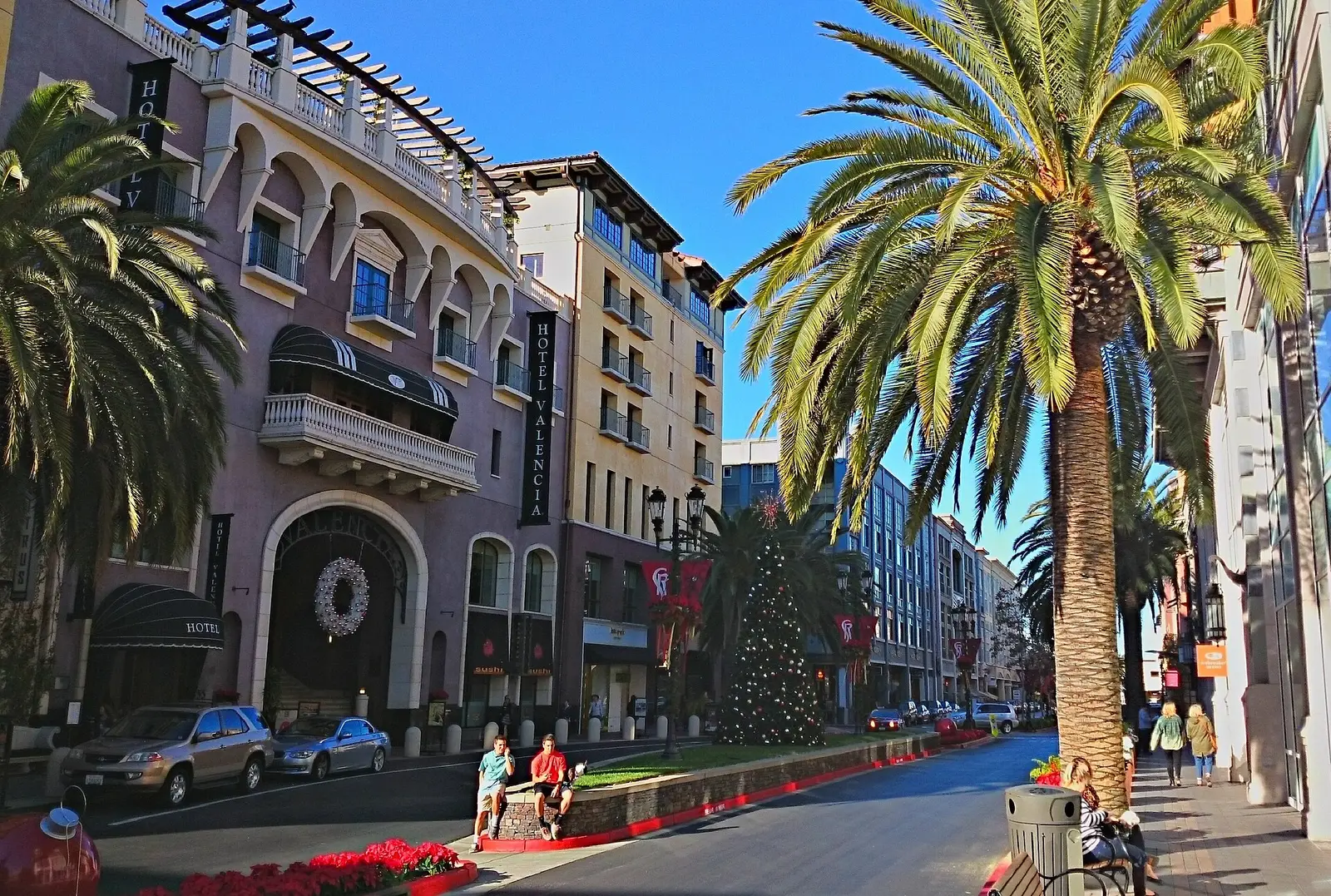
Hotel Valencia at Santana Row in San Jose
Hotel Valencia at Santana Row in San Jose. Photo: Payton Chung, CC BY 2.0, via Wikimedia Commons.
Sheetrock permit
None for board and taping; fire-rated sheetrock needs one
Garage side of the wall
1/2-inch gypsum; 5/8-inch Type X under rooms above it
Original Eichler walls
Philippine mahogany veneer, under redwood roof-deck ceilings
Free Junk Pickup
Takes large household items, but no construction debris

Permits and local rules

Permit, fire, asbestos and debris rules for San Jose wall work

  1. Cosmetic work, unless it is fire-rated

    San José lists the surface improvements that need no building permit: painting, floor finishes, cabinet and countertop replacement, floor sheathing repairs up to 10 square feet, and sheetrock and taping joints. The same line carries the exception: fire-rated sheetrock requires a permit. For most houses that means the assembly between an attached garage and the living space. Anything that goes beyond the wall finish, such as replacing concealed piping uncovered by the patch, falls under the city's separate plumbing and electrical rules.

    Source: City of San José, When Is a Building Permit Required? (sanjoseca.gov)

  2. The garage separation in the state code

    Table R302.6 of the 2025 California Residential Code, in effect since January 1, 2026, sets the separation: at least 1/2-inch gypsum board on the garage side of the wall against the house, and 5/8-inch Type X board where any part of the house sits above the garage. Section R302.5.1 bars openings from a garage directly into a bedroom and requires other doors into the house to be solid wood or steel at least 1 3/8 inches thick, or 20-minute rated, self-latching and self-closing.

    International Code Council, 2025 California Residential Code (opens in a new tab)
  3. Test textured walls before they come apart

    Santa Clara County falls under the Bay Area Air Quality Management District, whose Regulation 11, Rule 2 governs asbestos in renovation. For a house of four or fewer units no full survey is required, but a sample must be tested before acoustic ceiling material, acoustic plaster, or textured or skim-coated wall surfaces are removed or disturbed. The rule names joint compound among the friable asbestos-containing materials, which is why sanding an old textured patch is not the first step.

    Source: Bay Area Air Quality Management District (baaqmd.gov)

  4. Where the broken board can go

    San José's free Junk Pickup collects large items from a residence, but its rules exclude construction debris. Drywall scraps and plaster rubble go another way: self-hauled to a landfill or transfer station that accepts them, after calling ahead, or taken by a hired hauler, in which case the city recommends asking for a copy of the weight ticket. For a temporary bin, only haulers with prior City approval may operate, and the city fines haulers working in San José without authorization, so ask whose box it is before one is dropped in the driveway.

    Source: City of San José Environmental Services (sanjoseca.gov)

State license for this work: C-9 Drywall, C-35 Lathing and Plastering, C-22 Asbestos Abatement. Look up a contractor's license on the CSLB website (cslb.ca.gov).

Free, no obligation. Next, add your details in the request form.

Free request

Describe the drywall job once. Local pros who take work in San Jose reply by call or text.

  • No fee to request, and no obligation to hire
  • You agree scope and price with the pro you choose
  • Photos help them quote without a first visit

Get quotes for drywall work in San Jose

Two short steps. A local pro who takes this work calls or texts you back.

To send a request, call or text (415) 449-8213.

Free to request, and you agree the scope and price with the person you hire before work starts. In California, a job over $1,000 in labor and materials, or one that needs a building permit, must be done by a contractor licensed by the CSLB in the right class. Ask for the license number and check it at cslb.ca.gov.

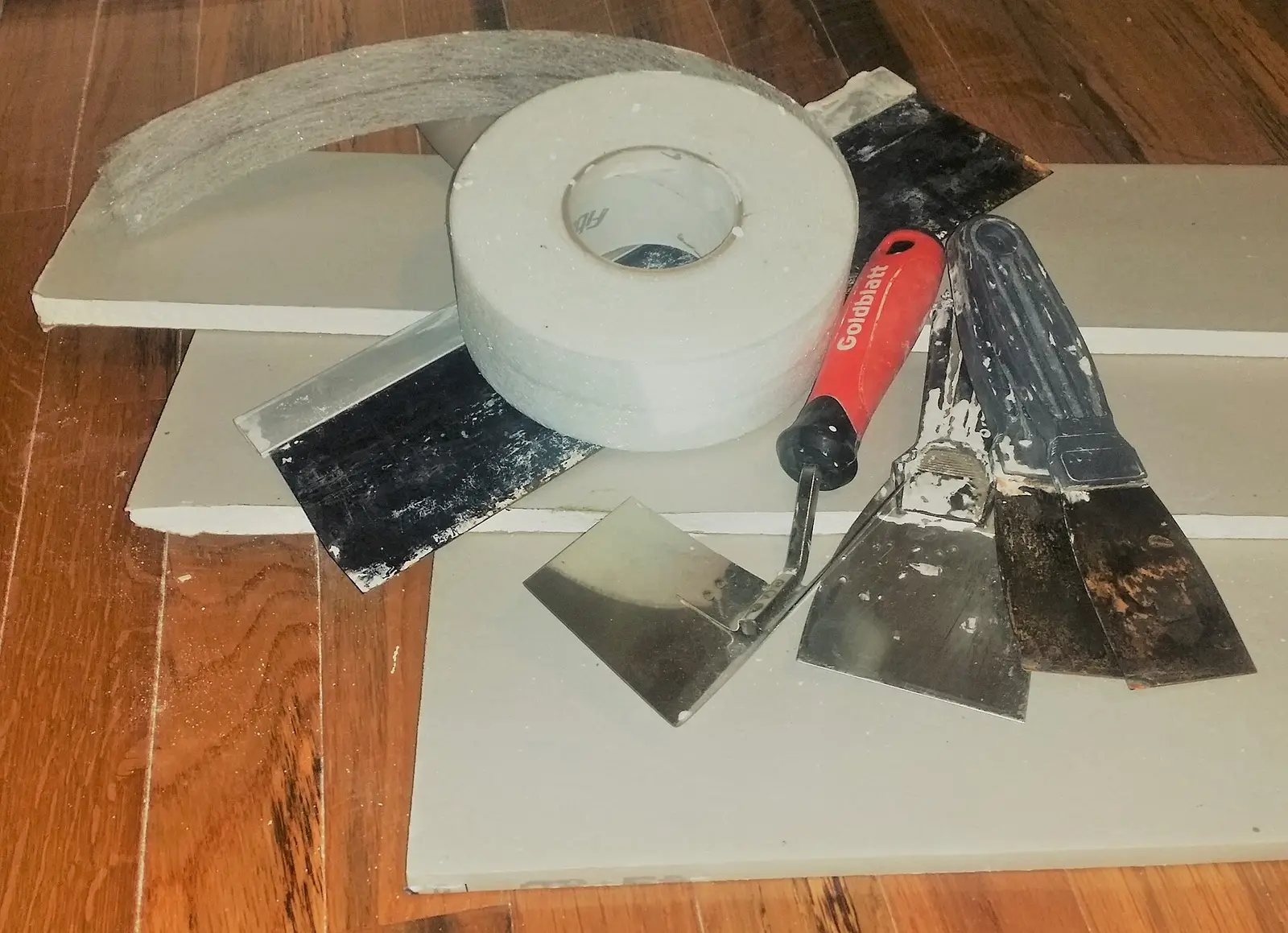
Drywall sheets on a wood floor with a roll of mesh joint tape and several taping knives
Drywall sheets on a wood floor with a roll of mesh joint tape and several taping knives. Photo: Timothyjosephwood, CC BY-SA 4.0, via Wikimedia Commons.

The houses here

Plaster near downtown, gypsum board across the annexed valley

The city's preservation guide, Your Old House, points out that the San Jose of 1950 looked far more like the San Jose of 1900 than the city of today. The tracts that now fill the valley came afterward. That timing decides what a wall is made of. The central neighborhoods were framed in wood, largely coast redwood for half a century, and plastered, since the Park Service notes plaster was the wall surface for nearly all buildings until the 1930s or 40s. Houses built after the war mostly have gypsum board, and that is what a typical San Jose patch involves. The Eichler tracts break the rule: their original rooms have no drywall to patch.

Part by part

Neighborhoods where San Jose walls are built differently

  • Hensley Historic District

    Bounded by Second, Empire, Sixth and Julian streets, it holds the largest concentration of Victorian homes left in the central city, according to Your Old House, with single-family houses beside multifamily buildings. Expect plaster on wood lath, and lead-safe rules on any rented unit.

  • Naglee Park

    The 140-acre estate east of San José State was sold off for houses starting around 1904. Its building runs from the early 1900s through the bungalow era to the Spanish Colonial Revival of the early 1920s, so its original rooms were almost all plastered.

  • Hanchett and Hester Park

    Laid out by John McLaren, the designer of Golden Gate Park, and surveyed in 1906, this conservation area mixes Queen Anne, Craftsman, Prairie and Spanish Revival houses. Brief 21 treats plaster as part of a historic interior's fabric and the base for decorative finishes, a strong case for repair here.

  • Fairglen Additions, Willow Glen

    Eichler built 218 houses here between 1959 and 1961, between Curtner Avenue and Andalusia Way. Original walls are mahogany veneer and ceilings are exposed redwood decking, and the garage is built into the house, so patches on the wall it shares with the rooms are where the garage fire rules come in.

  • Valley-floor and hillside tracts

    The city's geology appendix finds moderately to highly expansive soils across the valley floor and the hills, with soil creep on slopes. In the postwar subdivisions that cover both, recurring cracks in gypsum board are often the ground moving, not a failed patch.

The work

Five wall repairs that come up in San Jose houses

  1. Loose plaster in an early-1900s house

    In Naglee Park, Hanchett Park and the other older districts, ceilings bow when the plaster's grip on the wood lath fails. The National Park Service's Preservation Brief 21 shows the repair: the loose sheet is screwed back to the lath with plaster washers, and holes are filled in layers over metal lath tied across the old lath. Where a wall truly cannot be saved, the Brief prefers veneer plaster to drywall, since it looks closer to the original and keeps the wall nearer its old thickness.

  2. A crack that returns every year

    San José's General Plan geology appendix describes much of the city's soil as moderately to highly expansive, on the valley floor and in the hills, and notes that expansive soil on slopes creeps. Clay that swells in the rainy season and shrinks in summer moves a house, and a rigid wall finish records it. Brief 21 reads diagonal cracks running in opposite directions as a sign of settling and soil conditions, and says a crack that seems to be expanding should go to a structural engineer before anyone fills it.

  3. Holes in a tract-house garage wall

    Where a tract house has its garage attached, the wall and ceiling between garage and rooms form a fire separation under the California Residential Code. Patching there means matching the rated board, and the city's permit exemption for sheetrock specifically excludes fire-rated work. Old shelf anchors, a dryer vent or a new water line all leave openings, and the code requires penetrations through the separation to be protected. A replacement door into the house must also meet the code's door rules.

  4. Patching painted walls in a rental

    Paid work that disturbs paint in a pre-1978 home falls under the EPA's Renovation, Repair and Painting Rule, and San José's own permit pages link to it. The rule generally exempts owners working on their own homes, but not a home where all or part is rented. In older central neighborhoods that is common: the Hensley district mixes single-family houses with multifamily buildings. The contractor needs EPA lead-safe firm certification once a patch disturbs more than 6 square feet of paint in a room.

  5. An Eichler room with a damaged wall

    The National Register nomination for the Fairglen Additions in Willow Glen describes original interior walls of deep-toned Philippine mahogany veneer paneling and ceilings formed by the stained underside of 2-by-8 tongue-and-groove redwood roof decking. A gouge or water mark there is a veneer and finish repair, not a drywall patch, and later owners may have covered some walls with board. The city's Eichler design standards govern exterior changes only; they say outright that interiors are outside their scope.

Before you hire

Questions to settle before a San Jose wall is opened

  • On a garage wall against the house, ask whether the board is fire-rated and who will pull the city permit that work then needs.
  • In a pre-1978 house, and always in a rented unit, ask to see the firm's EPA lead-safe certification before any sanding.
  • Ask how the debris leaves: your own trip to a transfer station, their truck with a copy of the weight ticket, or a City-authorized bin.
  • Before a textured or skim-coated wall comes down, ask whether a sample will go to a lab for asbestos first.
  • In a Fairglen Eichler, ask whether they work in mahogany veneer, since the original walls are not gypsum board.

Free, no obligation. Next, add your details in the request form.

Questions

What San Jose owners ask before a wall gets patched

Do I need a San Jose building permit to patch drywall?

Usually not. San José treats sheetrock and taping joints as a surface improvement that needs no building permit, along with painting. The exception is fire-rated sheetrock, which does need a permit, and in a house that is normally the wall and ceiling between an attached garage and the living space. If the patch exposes plumbing or wiring that has to be replaced, that work has its own permit rules.

Can drywall scraps go out with San José's free Junk Pickup?

No. The city's Junk Pickup rules exclude construction debris, along with glass, mirrors and hazardous waste. You can self-haul it to a landfill or transfer station, calling ahead to confirm it takes the material, or hire a hauler and, as the city suggests, ask for a copy of the weight ticket. For a bigger tear-out, rent a temporary bin. Only City-approved haulers may place bins in San José, and unauthorized haulers face fines.

Our Naglee Park house has cracked and sagging plaster. Should it all come out for drywall?

Rarely. The National Park Service recommends keeping historic plaster if at all possible, and Brief 21 shows loose plaster screwed back to the lath with plaster washers and holes filled over metal lath. Where a section cannot be saved, it suggests veneer plaster rather than drywall. Plaster over wood lath is thicker than standard board, so a full swap can change how the door and window trim sits against the wall.

The walls in our Willow Glen Eichler are wood. Who repairs those?

Someone who works in veneer and wood finishes rather than drywall. The National Register nomination for the Fairglen Additions describes original walls of deep-toned Philippine mahogany veneer paneling and ceilings of stained redwood roof decking. The city's Eichler design standards do not apply indoors, since they cover exterior changes only, so the choice of repair is yours.

Why does the same crack keep coming back in our San Jose house?

Often because the ground keeps moving. The city's General Plan geology appendix describes much of San José's soil as moderately to highly expansive, and clay that swells and shrinks with the seasons shifts walls with it. Brief 21 says diagonal cracks running in opposite directions point to settling and soil, and that a crack which seems to be widening should be seen by a structural engineer before it is patched again.

We rent out half of our duplex in the Hensley district. Do lead rules apply to a wall repair?

Yes, if the building dates from before 1978, which is near certain in a Victorian district. The EPA's Renovation, Repair and Painting Rule exempts owners working on their own homes, but not a home where all or part is rented. A contractor disturbing more than 6 square feet of paint per room inside needs EPA lead-safe firm certification and lead-safe work practices.

Where these facts come from

Checked against these public sources in October 2026. Rules and programs change: confirm permit requirements with the city before work starts, and a contractor's license on the CSLB website.

  • sanjoseca.gov: when is a building permit required (sanjoseca.gov)
  • sanjoseca.gov: 636689792740100000 (sanjoseca.gov)
  • sanjoseca.gov: 636689792753570000 (sanjoseca.gov)
  • sanjoseca.gov: 638913000651930000 (sanjoseca.gov)
  • sanjoseca.gov: 636688306875330000 (sanjoseca.gov)
  • npgallery.nps.gov: d06ce6c1 514d 4ec8 9284 95bfcaeaa6be (npgallery.nps.gov)
  • nps.gov: preservation brief 21 flat plaster (nps.gov)
  • codes.iccsafe.org: chapter 3 building planning
  • baaqmd.gov: rg1102 (baaqmd.gov)
  • epa.gov: lead renovation repair and painting program (epa.gov)
  • epa.gov: renovation repair and painting program contractors (epa.gov)
  • sanjoseca.gov: list of acceptable items (sanjoseca.gov)

Drywall work in San Jose? Tell us what you see.

One request reaches local handymen and contractors who take this work. The Handyman SF connects you with them; it does not do the work.

HandymanNow for handymen Work in San Jose? Get job leads by text. Pick your trades and areas, take only the jobs you want. No subscription. Start getting leads HandymanNow for homeowners Get the HandymanNow app. Send a request with photos, message your handyman and follow them on the way. Download the app

HandymanNow app

Fix it faster. Find work faster.

Homeowners send a job with photos and follow their handyman on the map. Handymen get local jobs by text and take only the ones they want.

Call WhatsApp (opens WhatsApp) Free quote