Painting Campbell

Repainting Campbell houses, from 1895 cottages to 1970s ranch homes

The largest share of Campbell's housing, 7,848 homes, went up between 1960 and 1979, so many repaints here meet the EPA's lead rule for houses built before 1978. No building permit is needed to repaint, and even a house on the Historic Resource Inventory may take any exterior color, though the city prefers one that suits the house. The local rules that bite are about cleanup: Campbell's code lets nothing but rain into a storm drain.

  • Free to request, no obligation to hire
  • Up to five local pros who take this work can reply
  • Rules on this page checked against 17 public sources, October 2026
Permit to repaint
None; Campbell adopts the state code's exempt-work list unchanged
Color on a listed house
Any color; the city prefers one consistent with its era
Storm drains
Rain only, under Municipal Code Section 14.02.030
PaintCare in town
Two Sherwin-Williams stores, on S. Bascom and W. Campbell Avenues

Get quotes for painting work in Campbell

Two short steps. A local pro who takes this work calls or texts you back.

To send a request, call or text (415) 449-8213.

Free to request, and you agree the scope and price with the person you hire before work starts. In California, a job over $1,000 in labor and materials, or one that needs a building permit, must be done by a contractor licensed by the CSLB in the right class. Ask for the license number and check it at cslb.ca.gov.
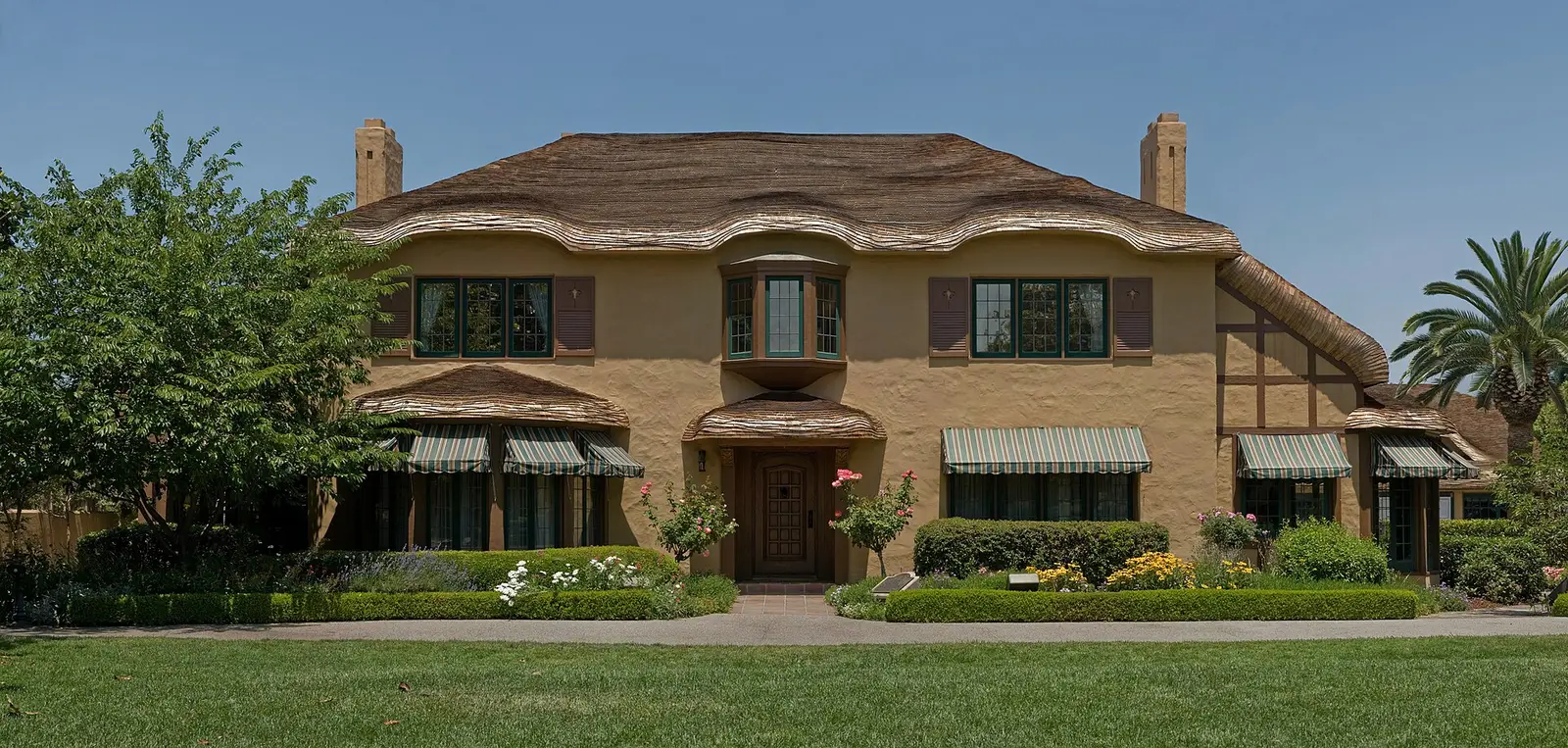

The Ainsley House in Campbell
The Ainsley House in Campbell. Photo: JaGa, CC BY-SA 3.0, via Wikimedia Commons.
A painter in white overalls on a ladder, brushing paint along the top edge of a gray wall
A painter in white overalls on a ladder, brushing paint along the top edge of a gray wall. Photo: Lukeroberts, CC BY-SA 2.5, via Wikimedia Commons.

The houses here

Cannery-era cottages downtown, then two decades of tract building

Campbell's oldest painted wood is downtown. The city's walking tour of historic houses includes Queen Anne cottages from 1874 and 1895 on North Third, North Second and South First Streets, a California Colonial cottage from 1900, and Spanish Colonial Revival houses of 1925 to 1927, among them the Grizzle Court duplex built for cannery workers. The city's Historic Design Guidelines describe the bungalows of Alice Avenue with wood shingle or clapboard siding, exposed rafters, cobblestone and brick. Then the town filled in: the Housing Element counts 7,848 homes built from 1960 to 1979 and only 759 since 2010. For a painter that means three kinds of surface, wood, stucco and masonry, most of it on houses older than the federal lead line.

Free, no obligation. Next, add your details in the request form.

The work

Where a Campbell repaint takes more than a color card

  1. Clapboard and trim on a downtown Queen Anne

    A cottage from the 1890s carries every coat applied since, and the EPA estimates that about three-quarters of U.S. homes built before 1978 still hold some lead-based paint. Paid prep that disturbs it needs a firm certified by EPA. Campbell's construction stormwater sheet adds a disposal rule: chips and dust from paint containing lead, mercury or tributyltin go out as hazardous waste, not with the trash, and removing lead-based paint calls for a contractor holding the state's certification.

  2. Shingles, cobblestone and brick on a bungalow

    The Historic Design Guidelines name brick, stone, clapboard, stucco and shingle siding among the materials to identify, retain and preserve on a historic house. Painting a wall that already carries paint is ordinary upkeep. Coating stained shingles or a cobblestone porch pier for the first time is different, because Campbell's preservation chapter says work that changes the appearance of an exterior architectural feature is not maintenance. On a listed house, put that question to the Planning Division before anyone opens a can.

  3. Patched stucco on a 1920s Spanish Revival house

    Repainting stucco needs no permit, but replacing it does: Campbell's single-family remodel guide lists new siding or stucco among the exterior remodels that go through a building permit. On a historic house the guidelines ask for special care when exterior stucco is replaced, so the old wall is protected and the repair blends into the original before any paint goes over it. A painter quoting a stucco job should say which part is patching and which is paint.

  4. A 1960s or 1970s house in a planned development

    Houses from the boom years sit on the federal side of 1978, so scraping more than 20 square feet of exterior paint on one counts as renovation under the EPA rule. In some subdivisions there is also an association. The city's remodel guide asks for a signed letter on association letterhead with any permit for exterior work on a detached house in a planned development. A repaint needs no permit, so the city never asks; the covenants are the place to check.

Permits and local rules

City pages and code sections a Campbell painter works under

  1. The city's answer on historic paint colors

    Campbell's historic preservation FAQ asks the question outright, whether a historic home's exterior can be painted any color, and answers yes. It prefers a color consistent with the home's historic character and points out that many paint makers sell historic palettes. The same FAQ explains that a house on the Eligible Resource list is not under the Historic Preservation Ordinance until the City Council formally designates it, since that list is kept for planning purposes only.

    Source: City of Campbell Planning Division (campbellca.gov)

  2. Chapter 21.33, where maintenance ends

    Campbell's preservation chapter defines ordinary maintenance and repair as in-kind replacement with equivalent material, and Section 21.33.120 says nothing in it prevents maintenance that leaves design, material and external appearance unchanged. Exterior alterations to a Landmark or Alice Avenue district property go to the Historic Preservation Board as a Tier 1 permit, judged partly on whether deteriorated historic features are repaired rather than replaced. Paint over paint stays on the maintenance side of that line.

    Campbell Municipal Code (Municode) (opens in a new tab)
  3. Rain only in the storm drain

    Section 14.02.030 bars anyone from discharging anything but stormwater into Campbell's storm drains or watercourses. Its list of permitted exceptions, such as lawn watering and residential car washing, has nothing to do with paint. An accidental discharge has to be reported within 24 hours, and cleaning it up falls to whoever caused it. The West Valley Stormwater Authority, which runs pollution prevention for Campbell, puts the household version simply: rinse latex tools in a sink, not outdoors.

    Campbell Municipal Code (Municode) (opens in a new tab)
  4. Leftover paint and the county program

    Campbell's hazardous waste page names paints, solvents and varnishes as household hazardous waste and sends residents to the County of Santa Clara's drop-off program, run by its Department of Environmental Health, where residents book an appointment. Paint left over by a business is handled differently: a painting company that qualifies as a Very Small Quantity Generator must pre-register with the county's business program at least one week before it drops anything off.

    Source: City of Campbell (campbellca.gov)

State license for this work: C-33 Painting and Decorating. Look up a contractor's license on the CSLB website (cslb.ca.gov).

Part by part

Two parts of Campbell where color gets a second look

  • Alice Avenue Historic District

    The city's map draws the district along Alice Avenue between Winchester Boulevard and First Street. Its California bungalows include the 1917 house built for Ralph and Maud Hyde, a City Landmark, with thick porch posts and wooden shingles. Exterior alterations here go to the Historic Preservation Board, so a scheme that changes how the wood reads deserves a call first.

  • Downtown's cannery-era streets

    North and South Second Street, North Third and South First hold the Queen Anne cottages on the city's walking tour, dating from 1874 to 1895 and tied to the families of Benjamin Campbell and canning pioneer J.C. Ainsley; two were moved to their present lots. Clapboard, spindle trim and porches mean scraping by hand, and on wood that old the lead rule is a given.

Before you hire

Five things to settle with a Campbell painter first

  • Check whether the house is a Landmark, a Structure of Merit or in the Alice Avenue district before choosing colors.
  • For a house built before 1978, ask for the firm's EPA certification and how lead-bearing chips will leave the site as hazardous waste.
  • Ask where brushes and rollers will be rinsed; in Campbell the only acceptable answer for latex is a sink.
  • Ask whether their leftover paint goes through the county's business drop-off program, which needs registration a week ahead.
  • Past $1,000 in labor and materials, look up their C-33 license number at cslb.ca.gov.

Free, no obligation. Next, add your details in the request form.

Questions

Questions Campbell owners ask before the brushes come out

Can I paint our house on Campbell's Historic Resource Inventory a different color?

Yes. The city's preservation FAQ says a historic home's exterior can be painted any color, while preferring one consistent with the home's historic character, and suggests the historic palettes many paint makers offer. Covering a surface that was never painted, such as stained shingles or cobblestone, is a separate question, so ask the Planning Division about that part.

Our house is on Campbell's Eligible Resource list. Does that limit the paint job?

Not by itself. The city keeps the Eligible Resource list for planning purposes only, and its FAQ says those houses are not subject to the Historic Preservation Ordinance until the City Council officially designates them. The ordinary rules still apply: no building permit to repaint, the EPA lead rule on a house built before 1978, and nothing but rain into the storm drain.

Can the painter rinse rollers at the curb in Campbell?

No. Municipal Code Section 14.02.030 bars discharging anything but stormwater into the city's storm drains, and paint rinse water is not on its list of exceptions. The West Valley Stormwater Authority asks that latex tools be rinsed in a sink. Dumping seen in or near a storm drain can be reported to the Authority, to Campbell Public Works, or to 911 after hours.

Where can leftover paint go from a Campbell house?

PaintCare lists two Sherwin-Williams stores in Campbell, on South Bascom Avenue and West Campbell Avenue, that take latex and oil-based paint, stain and varnish in labeled containers of 5 gallons or less. The Bascom store accepts up to 20 gallons a visit and the Campbell Avenue store 5. Spray cans and thinners go to the county's household hazardous waste program by appointment.

Does re-stuccoing a wall before repainting need a permit in Campbell?

Yes, if the stucco is being replaced. Campbell's single-family remodel guide lists new siding or stucco among the exterior remodels handled under a building permit, and on a historic house the work also gets Planning review. Patching paint, filling small cracks and repainting the existing stucco need no permit.

Where these facts come from

Checked against these public sources in October 2026. Rules and programs change: confirm permit requirements with the city before work starts, and a contractor's license on the CSLB website.

Painting work in Campbell? Tell us what you see.

One request reaches local handymen and contractors who take this work. The Handyman SF connects you with them; it does not do the work.

HandymanNow for handymen Work in Campbell? Get job leads by text. Pick your trades and areas, take only the jobs you want. No subscription. Start getting leads HandymanNow for homeowners Get the HandymanNow app. Send a request with photos, message your handyman and follow them on the way. Download the app

HandymanNow app

Fix it faster. Find work faster.

Homeowners send a job with photos and follow their handyman on the map. Handymen get local jobs by text and take only the ones they want.

Call WhatsApp (opens WhatsApp) Free quote