Home remodeling Cupertino

A Cupertino kitchen project, and the point where a remodel becomes a rebuild

Cupertino measures a kitchen project by how much wall and ceiling finish comes off. Replace 10 percent or more of it and the room counts as a remodeled area under a permit; remodel more than three-quarters of the house's conditioned floor area and the city treats the job as a rebuild, which brings fire sprinklers and CALGreen. New cabinets and counters alone need no permit, and no kitchen work qualifies for the city's instant permits.

  • Free to request, no obligation to hire
  • Up to five local pros who take this work can reply
  • Rules on this page checked against 17 public sources, October 2026
Apple Park in Cupertino, from the air
Apple Park in Cupertino, from the air. Photo: Daniel L. Lu, CC BY-SA 4.0, via Wikimedia Commons.
No permit needed
Cabinets, counter tops, tile, paint and similar finish work
Remodeled area
10% or more of a room's wall and ceiling finish removed
Rebuild
Over 75% of floor area remodeled: sprinklers and CALGreen apply
First plan review
Currently 20 to 30 business days

Permits and local rules

Documents that set the size of a Cupertino kitchen permit

  1. Comparison matrix for existing and new construction

    Revised in 2026, the Building Division's matrix defines a remodeled area as a room where 10 percent or more of the combined wall and ceiling finish is removed or replaced. A rebuild is a project that removes 50 to 75 percent of the exterior wall perimeter or roof structure, or remodels more than 75 percent of the conditioned floor area. CALGreen and fire sprinklers apply to rebuilds and new construction but not to remodels.

    City of Cupertino Building Division (opens in a new tab)
  2. Work exempt from permits, and what is not

    The Building Division FAQ lists the finish work that needs no building permit, cabinets and counter tops among it, and states that any alteration not on the list requires a permit. Remodeling needs a building permit, plumbing fixtures a plumbing permit and outlets and lighting an electrical permit. Asked whether a remodel needs automatic fire sprinklers, the FAQ points owners to the comparison matrix to see whether the job is a remodel or a rebuild.

    City of Cupertino Building Division (opens in a new tab)
  3. Debris Recovery Plans

    Since July 1, 2022, covered projects have filed a Debris Recovery Plan through Green Halo. For houses, the Building Division's notice defines a covered project as demolition, a new home, an addition, or an alteration of an existing residential building that increases its square footage. A kitchen remodel inside the existing walls is not covered and needs no plan.

    City of Cupertino Building Division (opens in a new tab)
  4. The sanitary district's lateral review

    Separately from the city permit, the Cupertino Sanitary District requires a video inspection of the sewer lateral for major remodeling, to confirm it is in good working condition. Where new work connects to the existing lateral, it wants two inspections, one at the start of construction and one to confirm the connection. Its fees are paid before any sewer work begins.

    Cupertino Sanitary District (opens in a new tab)

State license for this work: B General Building, B-2 Residential Remodeling. Look up a contractor's license on the CSLB website (opens in a new tab).

Free request

Describe the remodeling job once. Local pros who take work in Cupertino reply by call or text.

  • No fee to request, and no obligation to hire
  • You agree scope and price with the pro you choose
  • Photos help them quote without a first visit

Get quotes for remodeling work in Cupertino

Two short steps. A local pro who takes this work calls or texts you back.

To send a request, call or text (415) 449-8213.

Free to request, and you agree the scope and price with the person you hire before work starts. In California, a job over $1,000 in labor and materials, or one that needs a building permit, must be done by a contractor licensed by the CSLB in the right class. Ask for the license number and check it at cslb.ca.gov.

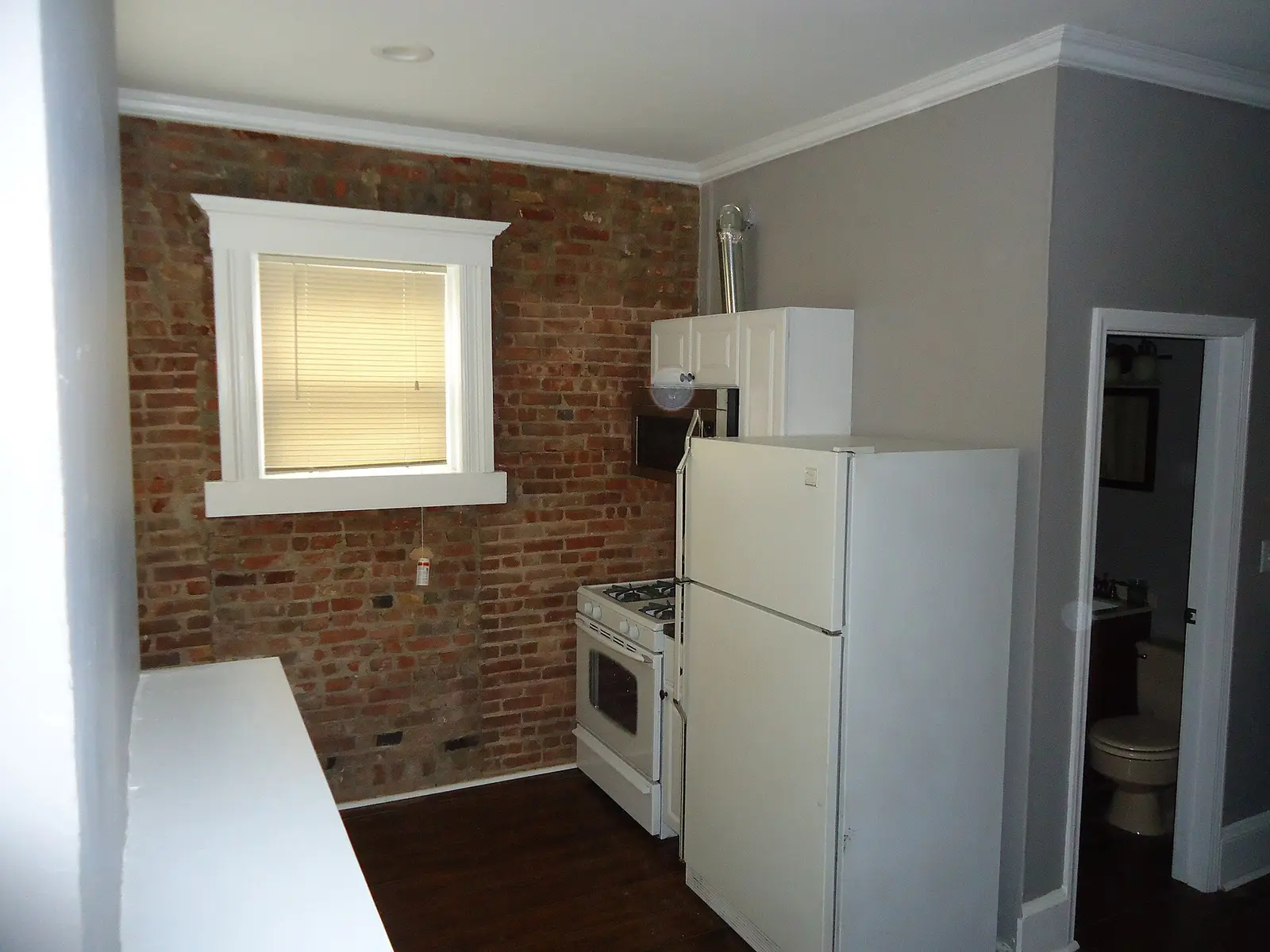
A kitchen partway through a renovation, with new floors, painted walls and a built-in microwave
A kitchen partway through a renovation, with new floors, painted walls and a built-in microwave. Photo: Tomwsulcer, CC0, via Wikimedia Commons.

The houses here

Orchard tracts, Fairgrove Eichlers and two-story replacements

Cupertino's kitchens sit mostly in houses from the 1950s and 1960s, built on former orchard land, and in the larger two-story houses that have replaced many originals since the 1990s. Two tracts behave differently. Fairgrove's 220 Eichlers, from the early 1960s, were planned around open layouts, glazed atriums, slab foundations and a great deal of glass, so a kitchen there is usually open to the rooms around it. Rancho Rinconada's Cliff May ranch houses were built cheaply in the 1950s, and their kitchens were designed with only a few low-amp outlets on a house wired with just four small circuit breakers, which is why kitchen work there so often starts at the electrical panel.

Part by part

Neighborhoods where the kitchen plan needs another look

  • Fairgrove

    The Eichler tract bounded by Phil Lane, Tantau Avenue, Bollinger Road and Miller Avenue is zoned R1-e. A kitchen addition keeps the roof at 3:12 or flatter, and the glazing section of the city's Eichler guidelines describes large panes of glass without grids as the pattern to follow. Eichlers are also excluded from the city's instant re-roof, siding and SolarAPP+ permits.

  • Rancho Rinconada

    Original houses here were wired with very little capacity, so have a licensed electrician check the service before a kitchen adds appliances or circuits. Part of the neighborhood is sewered by the City of Sunnyvale rather than the Cupertino Sanitary District, so the sewer agency to involve depends on the street.

  • The western hillsides

    Cupertino adopted its updated fire hazard severity zone map in June 2025, and its draft Health and Safety Element says the urbanized parts of the city are not in a designated zone, which leaves the hills along its western edge. The city says owners making major remodels in a designated zone must meet additional residential and building code standards for construction.

The work

Four sizes of kitchen job, as Cupertino counts them

  1. New cabinets and counters only

    Cupertino's Building Division exempts painting, papering, tiling, carpeting, cabinets, counter tops and similar finish work from building permits, and says anything not on its exempt list needs one. Swapping the sink or faucet is different: plumbing permits cover installing or replacing fixtures such as sinks, and electrical permits cover outlets and lighting fixtures, so a refresh that adds under-cabinet lights or moves an outlet is permitted work.

  2. Opening the walls of one room

    Once 10 percent or more of the kitchen's combined wall and ceiling finish is removed or replaced, the city's comparison matrix counts it as a remodeled area. A remodel needs a building permit, but it is not treated as added floor area for school fees, and the matrix does not apply CALGreen or fire sprinklers to it. A non-structural remodel may also be spared a soil investigation report.

  3. A kitchen inside a whole-house gut

    If more than 75 percent of the existing conditioned floor area is remodeled, or half or more of the exterior wall perimeter or roof structure is taken out, Cupertino classifies the project as a rebuild. A rebuild needs a building permit and brings both CALGreen and fire sprinklers. Remove more than three-quarters of the exterior walls or roof structure and it becomes new construction; losing that share of the exterior walls also takes a demolition permit.

  4. Pushing the kitchen out into the yard

    A bump-out adds floor area, so it has to fit within R1 zoning's maximum floor area ratio of 0.45. Because it increases the building's square footage, it also makes the job a covered project, which must file a Debris Recovery Plan in Green Halo; the city's environmental division sets a minimum of 65 percent of the waste recycled. On a Fairgrove Eichler, any new roof over the addition stays at or below a 3:12 slope.

Before you hire

Ask a Cupertino kitchen remodeler before demolition

  • How much wall and ceiling finish will come off, and does the whole project stay a remodel rather than a rebuild?
  • If other rooms are being redone too, have you checked the 75 percent floor-area line that triggers fire sprinklers?
  • Does a bump-out fit within the 0.45 floor area ratio, and who files the Green Halo plan?
  • Who arranges the sanitary district's lateral video and pays its fees before sewer work starts?
  • Check the B General Building or B-2 Residential Remodeling license at cslb.ca.gov.

Timing

How long the permit takes

Kitchen remodels are not on Cupertino's instant permit list, so they go through standard plan review. The Building Division currently quotes 20 to 30 business days for the initial review and 10 to 20 business days for each resubmittal, with applications sent by email to the permit center following its electronic submittal process. Sewer inspections by the Cupertino Sanitary District are booked at least 48 hours ahead.

Questions

Kitchen remodel questions Cupertino homeowners ask

Will our Cupertino kitchen remodel require fire sprinklers?

Not if it stays a remodel. Cupertino's comparison matrix applies fire sprinklers to rebuilds and new construction, and a project becomes a rebuild when more than 75 percent of the conditioned floor area is remodeled or half or more of the exterior wall perimeter or roof structure is removed. A kitchen alone rarely crosses that line; a kitchen plus most of the house can.

Do new cabinets and countertops need a permit in Cupertino?

No. Cabinets and counter tops are on the Building Division's list of finish work exempt from permits, alongside painting, tiling and carpeting. Replacing the sink, changing the plumbing or adding outlets and lights is different and needs plumbing or electrical permits.

Does a Cupertino kitchen remodel have to switch to an induction range?

Cupertino has no local rule forcing it. The city stopped enforcing its all-electric building chapter on May 15, 2024, its replacement energy code, enacted on October 1, 2024, is aimed at new buildings, and the ordinance says its heat pump space-heating amendment does not apply to additions or alterations. Ask the designer which state energy code items the remodel itself triggers.

Our Fairgrove Eichler kitchen needs a new window. What does the city expect?

Fairgrove is zoned R1-e, and the city's Eichler handbook describes Eichler glazing as large panes of glass without grids, which is the look a replacement window should follow. Any change that adds roof area keeps the slope at 3:12 or less. The remodel itself goes through a standard permit, since kitchens are not on the city's instant permit list.

Do we need a recycling plan for the old kitchen?

Only if the project is a covered one. The Building Division's notice counts a residential alteration as covered when it increases the building's square footage, so a kitchen bump-out files a Debris Recovery Plan in Green Halo, while a remodel inside the existing walls does not.


Remodeling work in Cupertino? Tell us what you see.

One request reaches local handymen and contractors who take this work. The Handyman SF connects you with them; it does not do the work.

HandymanNow for handymen Work in Cupertino? Get job leads by text. Pick your trades and areas, take only the jobs you want. No subscription. Start getting leads HandymanNow for homeowners Get the HandymanNow app. Send a request with photos, message your handyman and follow them on the way. Download the app

HandymanNow app

Fix it faster. Find work faster.

Homeowners send a job with photos and follow their handyman on the map. Handymen get local jobs by text and take only the ones they want.

Call Get a quote